



.png)
Complete Knee Replacement in Bangalore: What to Expect Before, During, and After Surgery
Chronic knee pain doesn’t just affect movement—it impacts your independence, confidence, and overall quality of life. Simple activities like walking, climbing stairs, or even getting up from a chair can become difficult and painful. Over time, this can limit your ability to enjoy daily life, social activities, and even work
For many patients in South Bangalore, total knee replacement surgery has become a reliable and life-changing solution. With advancements in medical technology, improved surgical techniques, and enhanced rehabilitation programs, knee replacement today offers faster recovery times and longer-lasting results
At Nano Hospitals, the orthopaedic department led by Dr. Mohan is one of the most trusted choices for patients seeking advanced knee care. If you’re searching for “total knee replacement Bangalore,” this detailed guide will help you understand everything you need to know—before, during, and after surgery.
At Nano Hospitals, the orthopaedic department led by Dr. Mohan is one of the most trusted choices for patients seeking advanced knee care. If you’re searching for “total knee replacement Bangalore,” this detailed guide will help you understand everything you need to know—before, during, and after surgery.
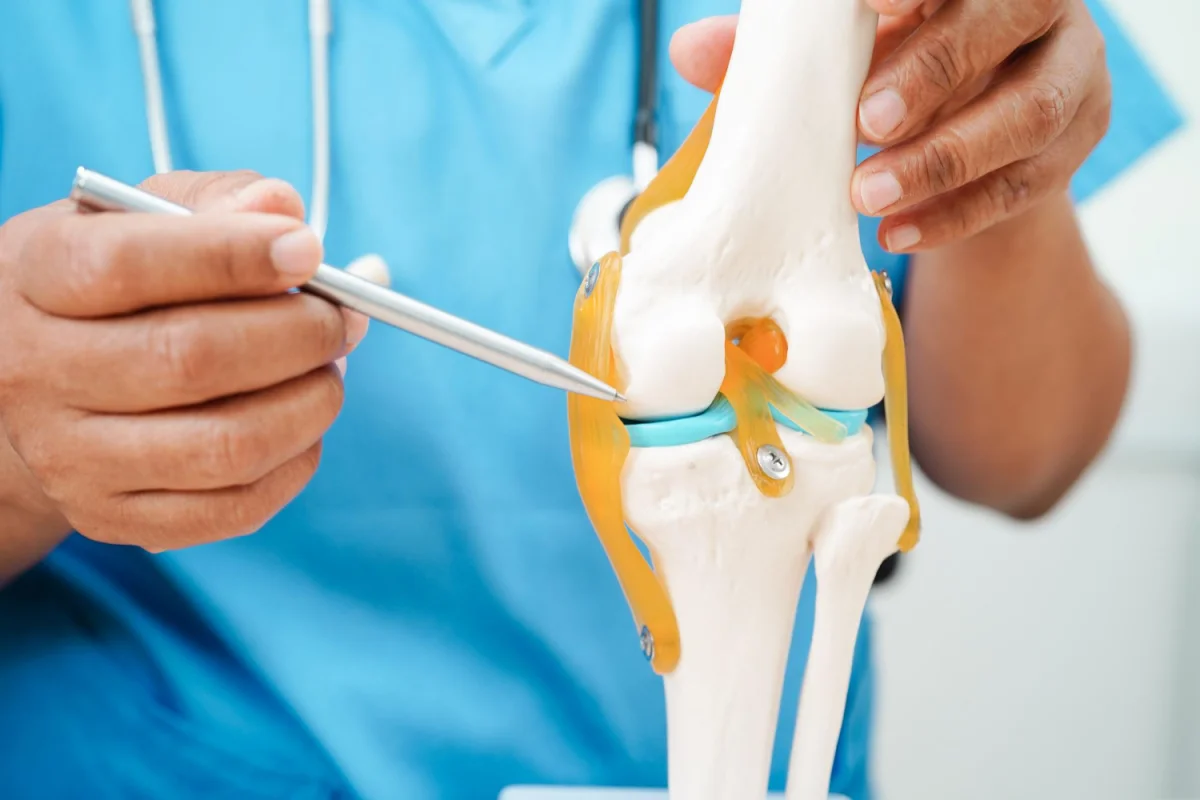
Total knee replacement (TKR), also known as knee arthroplasty, is a surgical procedure where a damaged or worn-out knee joint is replaced with an artificial implant. This implant is designed to replicate the natural movement of the knee, allowing patients to move freely without pain.
The knee joint is made up of bones, cartilage, and ligaments. Over time, conditions like osteoarthritis, rheumatoid arthritis, or injury can damage the cartilage, causing pain, stiffness, and reduced mobility.
During knee replacement surgery:
- The damaged cartilage and bone are removed
- The joint is reshaped
- A metal and plastic implant is placed to restore function
At Nano Hospitals, advanced surgical techniques and precision-based planning ensure:
- Better implant alignment
- Reduced surgical trauma
- Faster recovery
- Long-lasting outcomes
Common Causes of Knee Damage
Understanding the root cause of knee problems helps patients make informed decisions. Some common causes include:
- Osteoarthritis: The most common reason is caused by the wear and tear of cartilage
- Rheumatoid arthritis: An autoimmune condition causing joint inflammation
- Post-traumatic arthritis: Due to injuries or fractures
- Obesity: Increased weight puts extra pressure on the knee joint
- Sedentary lifestyle: Weak muscles can accelerate joint damage
Early diagnosis and intervention can significantly delay the need for surgery.
Signs You May Need Knee Replacement Surgery
Many patients delay surgery until the pain becomes unbearable. However, early intervention often leads to better outcomes and faster recovery.
Here are some warning signs:
- Severe knee pain while walking or climbing stairs
- Persistent stiffness and reduced flexibility
- Swelling that does not subside
- Knee deformity (bowing inward or outward)
- Pain even during rest or sleep
- Difficulty performing daily activities
- Limited or no relief from medications or physiotherapy
If you are experiencing these symptoms, consulting an experienced orthopaedic specialist, such as Dr. Mohan, can help determine the right treatment plan.
Before Surgery: What to Expect
1. Detailed Evaluation
Before surgery, a thorough medical evaluation is conducted to ensure patient safety and success of the procedure. This includes:
- X-rays or MRI scans
- Blood tests
- Cardiac fitness evaluation
- Medical history review
At Nano Hospitals, this process is highly structured to minimize risks and optimize results.
2. Pre-Surgery Preparation
Preparation plays a key role in recovery. Patients are guided to:
- Adjust medications (if required)
- Improve nutrition (protein-rich diet)
- Begin light exercises to strengthen muscles
- Stop smoking or alcohol consumption
- Prepare the home for post-surgery mobility
Small steps before surgery can significantly improve outcomes after surgery.
3. Expert Consultation
One of the biggest advantages of choosing Nano Hospitals is personalized care. During consultation, Dr. Mohan ensures:
- Clear explanation of the procedure
- Discussion of risks and benefits
- Realistic expectations
- Emotional reassurance
This helps patients feel confident and prepared.
During the Surgery
The procedure typically takes 1.5 to 2 hours and is performed under spinal or general anesthesia
Steps involved:
- Removal of damaged cartilage and bone
- Preparation of the joint surface
- Placement of artificial implants
- Alignment and balancing of the joint
- Closure of the incision
Nano Hospitals uses modern infrastructure and advanced surgical tools to ensure:
- High precision
- Minimal blood loss
- Reduced infection risk
- Faster healing
After Surgery: Recovery Timeline
One of the most common concerns is recovery time. Here’s what most patients can expect:
Day 1
- Standing and walking with assistance
- Physiotherapy begins
- Pain is controlled with medication
Week 1
- Walking short distances
- Gradual improvement in flexibility
- Discharge within 3–5 days
Month 1
- Walking with minimal support
- Reduced swelling and stiffness
- Continued physiotherapy
Month 3
- Comfortable walking
- Climbing stairs becomes easier
- Return to routine activities
6 Months
- Near-complete recovery
- Improved strength and mobility
- Active lifestyle resumes
At Nano Hospitals, structured rehabilitation programs ensure faster and safer recovery.
Importance of Physiotherapy
- Restore joint movement
- Strengthen muscles
- Improve balance and coordination
- Prevent stiffness
Patients who follow physiotherapy strictly often recover faster and achieve better results.
Risks and Safety
Total knee replacement is considered a safe and effective procedure when performed by experienced surgeons.
Possible risks include:
- Infection
- Blood clots
- Implant wear over time
- Temporary stiffness
At Nano Hospitals, strict protocols and expert care significantly reduce complications.
Lifestyle After Knee Replacement
Post-surgery lifestyle plays a major role in long-term success. Patients are advised to:
- Maintain a healthy weight
- Stay active with low-impact exercises
- Avoid high-impact activities like running
- Follow doctor’s advice regularly
Real Patient Story
A senior patient from South Bangalore suffered from severe knee pain for years, making daily activities extremely difficult
After undergoing surgery at Nano Hospitals:
- Walking independently within 4 weeks
- Significant pain relief within 3 months
- Improved mobility and confidence
Stories like these highlight how life-changing the procedure can be.
Knee Replacement for Seniors in India (2026)
With increasing life expectancy, more senior citizens are opting for knee replacement surgery.
At Nano Hospitals:
- Age is not a limitation
- Patients above 70 can safely undergo surgery
- Comprehensive health evaluation ensures safety
Modern techniques have made the procedure safer than ever before.
Why Choose Nano Hospitals for Knee Replacement in South Bangalore?
Choosing the right hospital is critical for successful outcomes.
Nano Hospitals offers:
- Experienced orthopaedic specialist — Dr. Mohan
- Advanced surgical technology
- Personalized patient care
- Strong physiotherapy support
- Excellent patient satisfaction
Located in South Bangalore, it is a preferred choice for patients in Hulimavu, Uttarahalli, and nearby areas.
Conclusion
Knee pain does not have to control your life. With advancements in medical science, total knee replacement in Bangalore is now safer, more efficient, and highly successful. At Nano Hospitals, patients receive complete care—from diagnosis to surgery to recovery—ensuring the best possible outcomes and improved quality of life