

NCS
About NCS
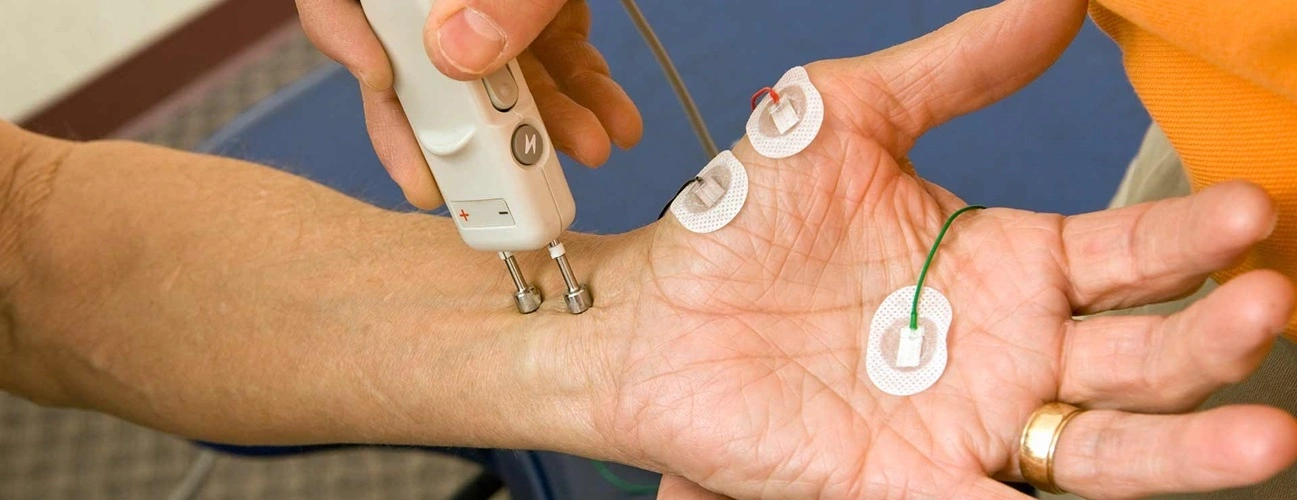
Nerve Conduction Study (NCS) is a diagnostic test used to evaluate the function and conduction speed of peripheral nerves.
It measures how quickly electrical signals travel through nerves to detect nerve damage, compression, or dysfunction.
Overview
Diagnoses nerve disorders such as neuropathy and nerve compression
Helps detect conditions like carpal tunnel syndrome and sciatica
Evaluates nerve injuries and muscle weakness
Assesses diabetic neuropathy and peripheral nerve damage
Often performed along with Electromyography (EMG) for comprehensive evaluation
Workflow
Step 1: Patient Preparation
Patient is positioned comfortably; no major preparation required.
Step 2: Electrode Placement
Surface electrodes are placed on the skin over specific nerves.
Step 3: Electrical Stimulation
Mild electrical impulses are delivered to stimulate the nerve.
Step 4: Signal Recording
Response signals are recorded to measure conduction speed and strength.
Step 5: Data Analysis
Neurologist analyzes nerve response patterns.
Step 6: Reporting
Results are documented and explained to the patient.
Benefits & Value
For Patients
Accurate diagnosis of nerve-related conditions
Helps identify cause of numbness, tingling, or weakness
Minimally invasive and quick procedure
For Caregivers & Families
Early detection of nerve damage
Supports timely medical intervention
Helps monitor progression of neurological conditions
For the Community
Promotes early diagnosis of neurological disorders
Reduces long-term disability from untreated nerve conditions
Supports awareness of nerve health and diabetes complications
Risks & Challenges
- • Mild discomfort during electrical stimulation
- • No major risks or complications
- • Slight discomfort may affect patient cooperation
- • Requires expert interpretation for accurate diagnosis
Frequently Asked Questions

1. Is NCS test available at Nano Hospitals in Hulimavu and Uttarahalli? +
Yes, NCS (Nerve Conduction Study) testing is available at both Hulimavu and Uttarahalli branches for diagnosing nerve-related conditions.
2. What is a Nerve Conduction Study (NCS)? +
NCS is a diagnostic test that measures how quickly electrical signals travel through nerves to detect nerve damage.
3. When is an NCS test recommended? +
NCS is recommended for patients experiencing numbness, tingling, muscle weakness, nerve pain, or suspected neuropathy.
4. What is the cost of NCS test in Bengaluru at Nano Hospitals? +
The cost of an NCS test varies based on the number of nerves tested, but Nano Hospitals provides affordable testing in Bengaluru.
5. How long does an NCS test take? +
An NCS test typically takes 30 to 60 minutes depending on the complexity of the case.
6. Is NCS test painful or uncomfortable? +
Patients may feel mild discomfort or tingling during the test, but it is generally well tolerated.
7. Do I need any preparation before an NCS test? +
No major preparation is required, but patients should avoid applying lotions or creams on the skin before the test.
8. Can NCS detect nerve damage accurately? +
Yes, NCS is highly effective in detecting nerve damage, neuropathy, and nerve compression conditions like carpal tunnel syndrome.
9. Are NCS reports available quickly? +
Yes, Nano Hospitals provides accurate and timely reports for faster diagnosis and treatment.
10. Is NCS safe for all patients? +
Yes, NCS is a safe procedure with minimal risks when performed by trained professionals.
11. Can NCS be done for diabetic patients? +
Yes, NCS is commonly used to detect diabetic neuropathy in patients with diabetes.
12. Is NCS available for emergency cases? +
NCS is usually scheduled but may be performed urgently if required for diagnosis.
13. Why choose Nano Hospitals for NCS test in Bengaluru? +
Nano Hospitals offers advanced diagnostic equipment, experienced specialists, accurate results, and affordable pricing in Hulimavu and Uttarahalli.
14. Can I walk in for an NCS test or is appointment required? +
Appointments are recommended, but walk-in patients are accepted based on availability.
15. What happens after an NCS test? +
A specialist reviews the results and recommends further treatment, medication, or additional tests if needed.
