



.png)
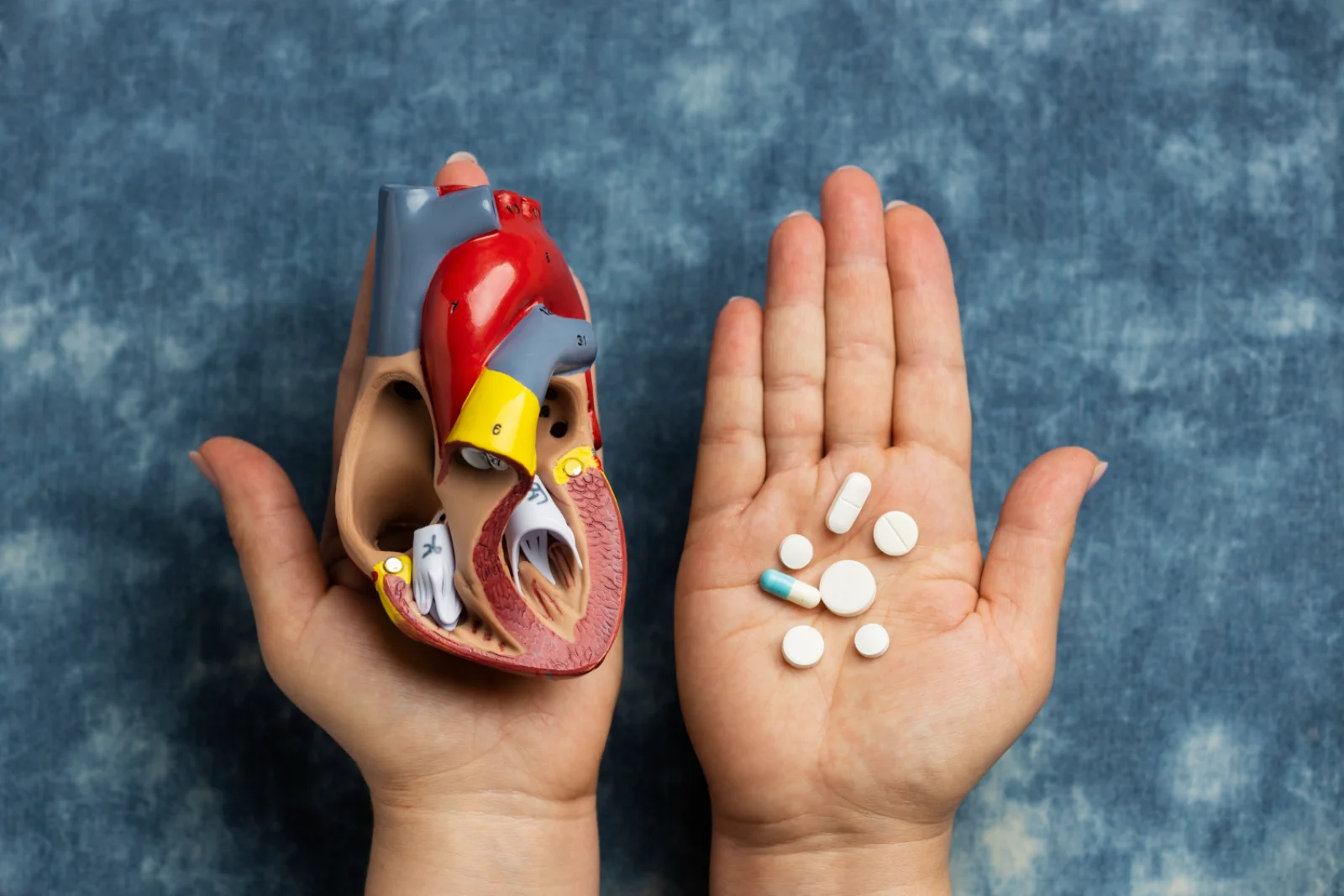
Drug-Induced Cardiotoxicity (e.g., Chemotherapy)
About Drug-Induced Cardiotoxicity (e.g., Chemotherapy)
Drug-induced cardiotoxicity refers to heart damage caused by certain medications, particularly chemotherapy drugs, targeted cancer therapies, and some long-term medications. The condition may affect heart muscle function, electrical activity, heart v...
Drug-induced cardiotoxicity refers to heart damage caused by certain medications, particularly chemotherapy drugs, targeted cancer therapies, and some long-term medications. The condition may affect heart muscle function, electrical activity, heart valves, or blood vessels. Early recognition and monitoring are essential to prevent permanent cardiac injury.
Overview
Common causes of cardiotoxicity include: Chemotherapy agents Radiation therapy Certain antibiotics Immunotherapy drugs Recreational drug toxicity Cardiotoxicity may lead to: Heart failure Arrhythmias Hypertension Myocarditis Reduced heart pumping function Diagnostic evaluation may include: Echocardiography ECG Cardiac biomarkers Cardiac MRI Blood pressure monitoring Cardio-oncology teams often coordinate care between cardiologists and oncologists. Treatment may involve medication adjustment, heart failure management, and long-term cardiac monitoring.
Understanding The Procedure
Symptoms Drug-Induced Cardiotoxicity (e.g., Chemotherapy)
- ⦾ Breathlessness
- ⦾ Fatigue or weakness
- ⦾ Swelling of legs
- ⦾ Chest discomfort
- ⦾ Palpitations or dizziness
Risks
- ⦾ Heart failure
- ⦾ Permanent cardiac muscle damage
- ⦾ Arrhythmias
- ⦾ Reduced tolerance to cancer therapy
- ⦾ Sudden cardiac complications in severe cases
Post-Operative Care
- ⦾ Attend regular cardiac screening appointments
- ⦾ Continue medications as prescribed
- ⦾ Monitor blood pressure and heart symptoms carefully
- ⦾ Maintain healthy nutrition and physical activity
- ⦾ Inform doctors about worsening fatigue or breathlessness
Long Term Outlook
Early monitoring and intervention can reduce long-term cardiac complications and improve overall survival and quality of life in patients receiving potentially cardiotoxic treatments.
Prefer WhatsApp for Drug-Induced Cardiotoxicity (e.g., Chemotherapy) enquiries? We respond on chat during working hours.