



.png)
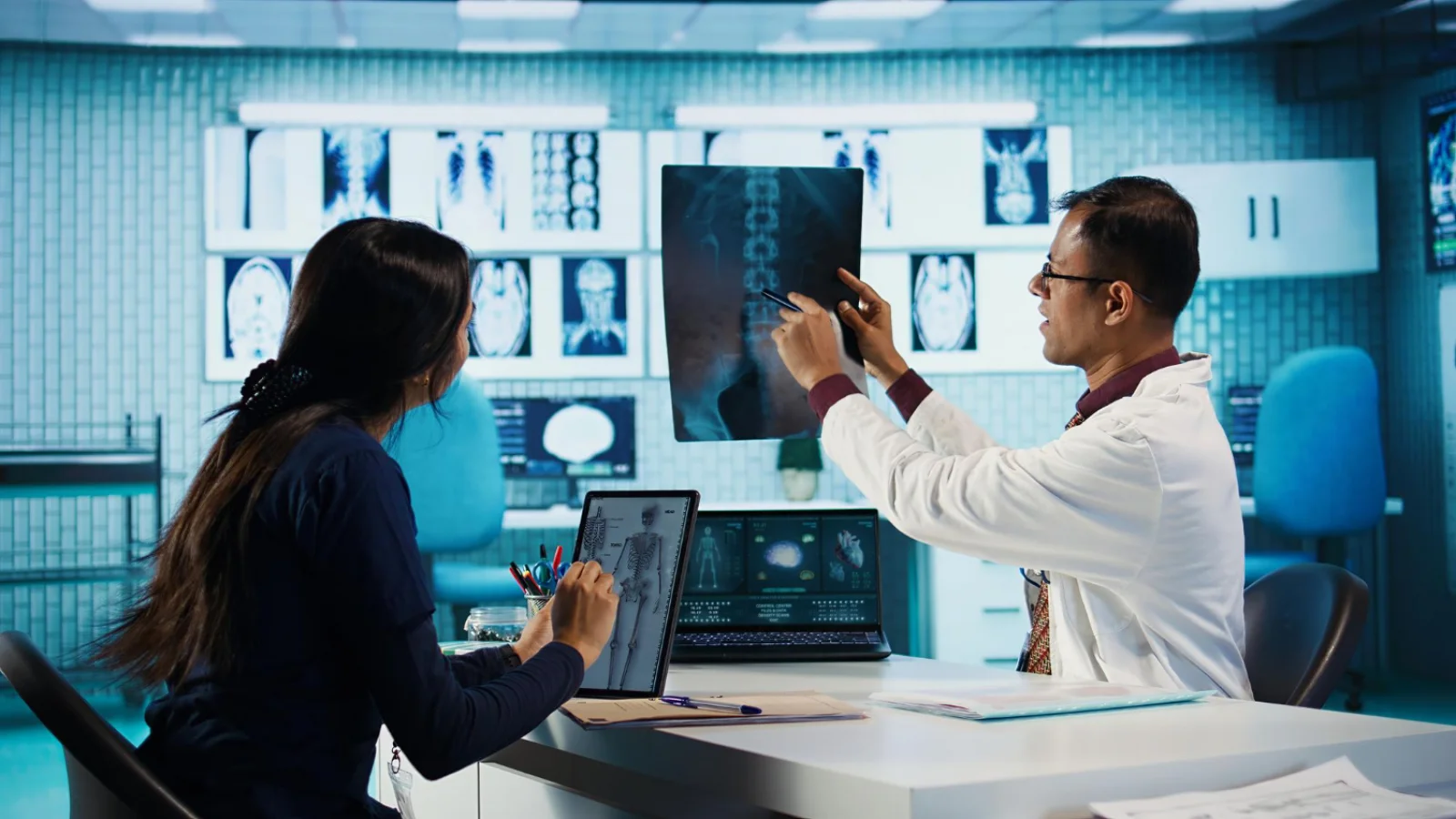
Magnetic Resonance Imaging — Brain / Spine
About Magnetic Resonance Imaging — Brain / Spine
Magnetic Resonance Imaging (MRI) uses strong magnetic fields and radio wave...
Magnetic Resonance Imaging (MRI) uses strong magnetic fields and radio waves to create detailed images of the brain and spine.
Overview
MRI helps detect tumors, stroke, spinal disorders, nerve compression, infections, and neurological abnormalities.
Understanding The Procedure
Symptoms Magnetic Resonance Imaging — Brain / Spine
- ⦾ Persistent headaches
- ⦾ Seizures
- ⦾ Weakness or numbness
- ⦾ Back or neck pain
- ⦾ Memory or neurological disturbances
Risks
- ⦾ Claustrophobia during scanning
- ⦾ Anxiety in enclosed spaces
- ⦾ Rare allergic reaction to contrast dye
- ⦾ Loud machine noise discomfort
- ⦾ Incompatibility with metal implants
Post-Operative Care
- ⦾ Drink fluids if contrast dye was used
- ⦾ Resume normal activities unless advised otherwise
- ⦾ Follow specialist recommendations
- ⦾ Monitor for allergic symptoms if contrast was given
- ⦾ Attend follow-up consultations for results
Long Term Outlook
MRI provides highly accurate diagnostic information that supports early treatment and improved neurological outcomes.
Magnetic Resonance Imaging is an essential diagnostic tool for evaluating brain and spinal conditions. Early detection and accurate diagnosis help improve treatment planning and long-term neurological health outcomes.
Prefer WhatsApp for Magnetic Resonance Imaging — Brain / Spine enquiries? We respond on chat during working hours.