



.png)
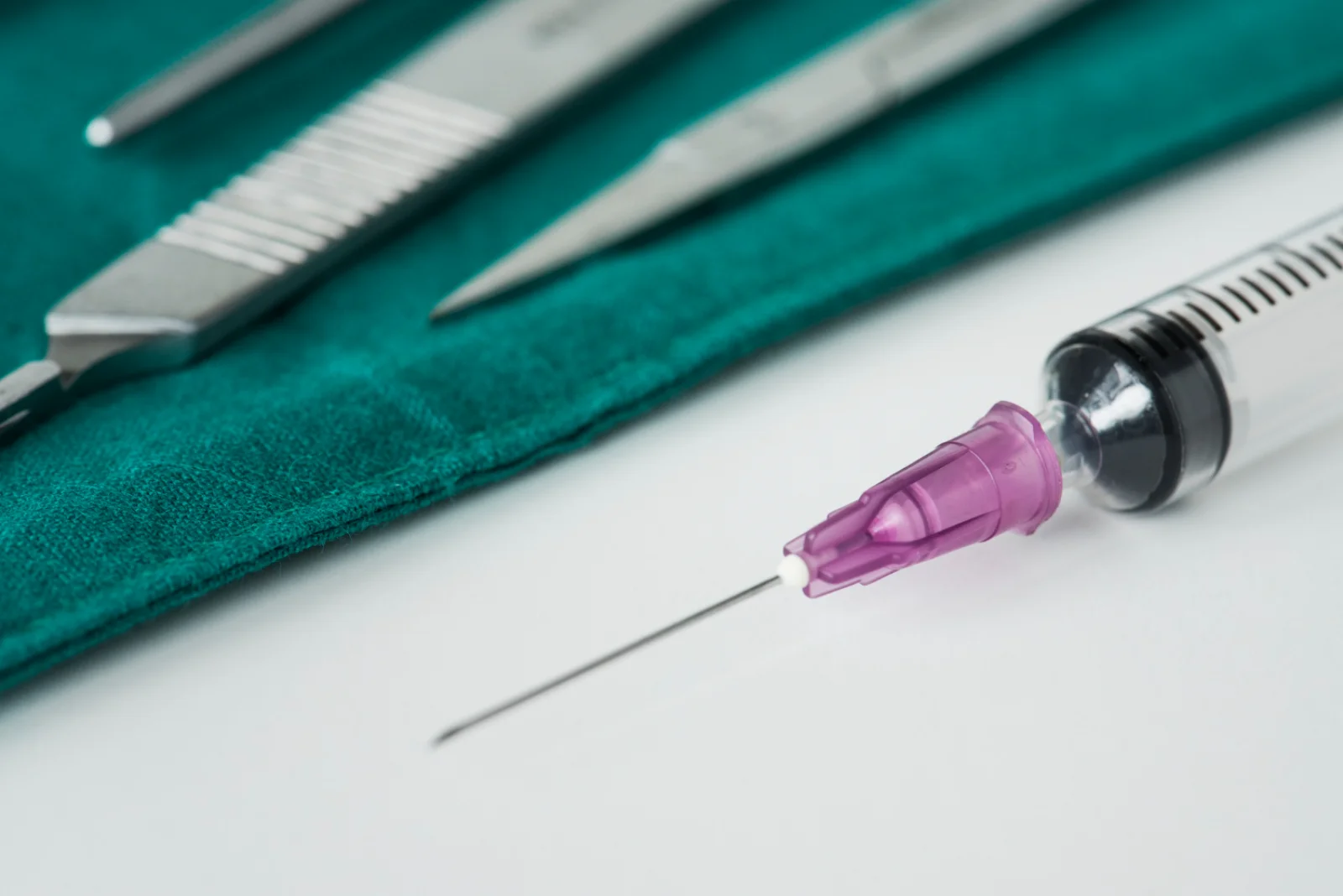
Skin Grafting Tools
About Skin Grafting Tools
Skin grafting tools are specialized surgical instruments used to remove, prepare, and transplant healthy skin from one area of the body to another for wound coverage and reconstruction. These tools help dermatologists and surgeons manage severe wounds, burns, chronic ulcers, trauma-related skin loss, and reconstructive skin procedures.
Overview
Skin grafting procedures involve harvesting healthy skin, known as a graft, from a donor site and placing it over damaged or missing skin areas. Commonly used instruments include dermatomes, skin meshers, scalpels, forceps, graft carriers, and dressing systems. Skin grafting tools support accurate tissue handling, wound preparation, and graft placement to promote proper healing and skin regeneration.
Understanding The Procedure
Symptoms Skin Grafting Tools
- ⦾ Severe skin wounds or tissue loss
- ⦾ Burns or trauma-related skin damage
- ⦾ Chronic non-healing ulcers
- ⦾ Large surgical wounds requiring reconstruction
- ⦾ Skin defects following tumor or skin cancer removal
Risks
- ⦾ Bleeding, swelling, or pain after surgery
- ⦾ Infection at donor or graft sites
- ⦾ Delayed wound healing or graft failure
- ⦾ Scarring or pigmentation changes
- ⦾ Need for repeat grafting procedures in severe cases
- ⦾ Treatment Options
- ⦾ Skin grafting tools are used during reconstructive procedures to restore skin coverage and support wound healing. Treatment approaches may involve split-thickness grafts, full-thickness grafts, wound debridement, advanced dressings, and supportive therapies depending on the size and severity of the wound. Post-surgical care and multidisciplinary wound management are important for successful recovery.
Post-Operative Care
- ⦾ Keeping graft and donor sites clean and protected
- ⦾ Proper wound dressing and infection prevention
- ⦾ Monitoring graft healing and blood supply
- ⦾ Limiting pressure or trauma to treated areas during recovery
- ⦾ Regular follow-up visits for wound assessment and healing progress
Long Term Outlook
The long-term outlook after skin grafting procedures is generally positive when wounds are managed appropriately and graft healing is successful. Skin grafting helps restore skin integrity, improve wound healing, and support functional and cosmetic recovery. Proper wound care, rehabilitation, and regular medical follow-up are important for achieving long-term healing and preventing complications.
Prefer WhatsApp for Skin Grafting Tools enquiries? We respond on chat during working hours.