



.png)
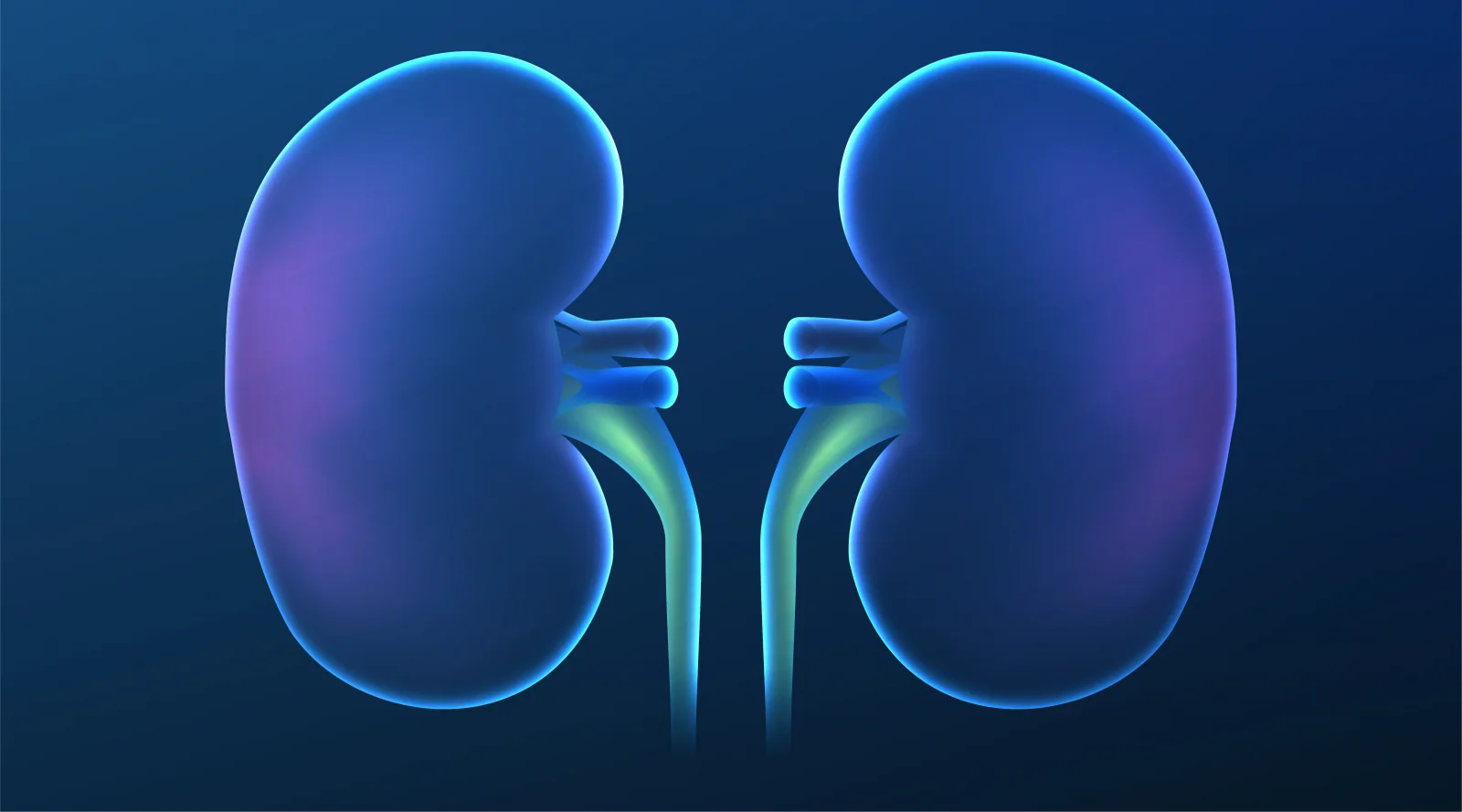
Ureteric Stenting (DJ Stent)
About Ureteric Stenting (DJ Stent)
Ureteric stenting involves placing a thin, flexible tube called a Double J (DJ) stent between the kidney and bladder to ensure proper urine flow. It is commonly used when there is blockage due to stones, swelling, or after surgical procedures. The stent prevents pressure buildup in the kidney and protects it from damage caused by urine obstruction.
Overview
When the ureter is blocked, urine cannot pass normally, leading to pain and kidney damage. A DJ stent is inserted using an endoscopic procedure through the urinary tract without any external incision. It helps restore normal urine flow and is usually kept temporarily until the underlying condition is treated. The procedure is quick, effective, and widely used in urology.
Understanding The Procedure
Symptoms Ureteric Stenting (DJ Stent)
- ⦾ Flank pain
- ⦾ Difficulty in urination
- ⦾ Reduced urine flow
- ⦾ Blood in urine
- ⦾ Recurrent infections
- ⦾ Kidney swelling
Risks
- ⦾ Frequent urination
- ⦾ Discomfort or pain
- ⦾ Infection
- ⦾ Blood in urine
- ⦾ Stent displacement (rare)
Post-Operative Care
- ⦾ Stay well hydrated
- ⦾ Avoid heavy physical activity
- ⦾ Take medications regularly
- ⦾ Attend follow-up for removal
- ⦾ Monitor for fever or pain
Long Term Outlook
DJ stents are highly effective in relieving urinary obstruction. Once removed on time, patients usually recover completely without complications. Delayed removal may lead to infection or stone formation, so regular follow-up is essential.
Ureteric stenting with a DJ stent is a safe and effective procedure for relieving urinary obstruction and protecting kidney function. Timely treatment and proper follow-up ensure successful recovery and prevention of complications.
Prefer WhatsApp for Ureteric Stenting (DJ Stent) enquiries? We respond on chat during working hours.
