




Endoscopy
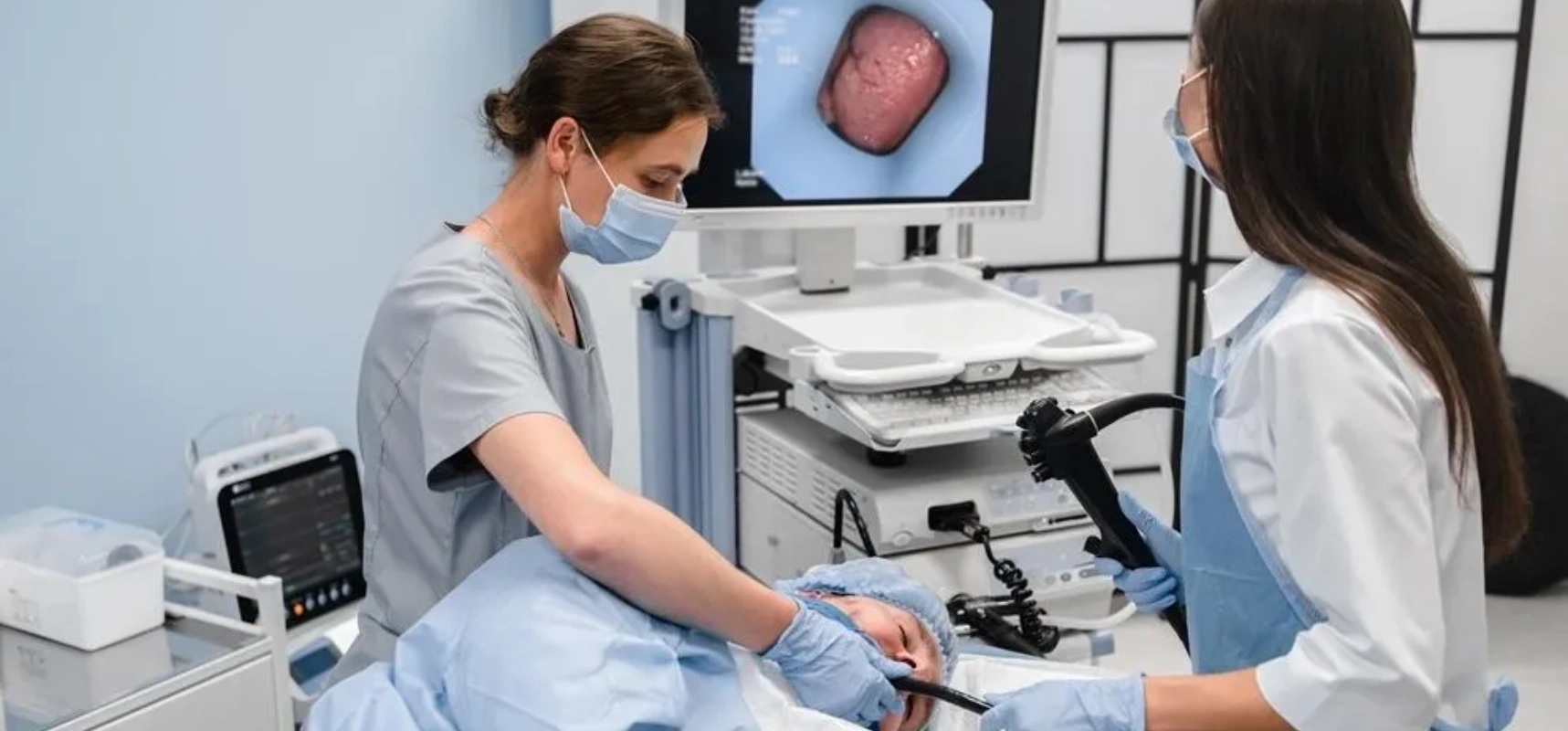
Nano Hospitals offers endoscopy in Bangalore, a minimally invasive diagnostic and therapeutic procedure using a flexible camera-equipped tube to examine the digestive tract and detect ulcers, bleeding, polyps or tumors. Performed as a day-care procedure by trained gastroenterologists, biopsies and minor treatments can be done in the same session at both Bannerghatta Road and Uttarahalli branches.
About Endoscopy
Endoscopy Services at Nano Hospitals provide minimally invasive procedures that allow doctors to view, diagnose, and sometimes treat conditions inside the digestive tract and other internal organs without major surgery. Using advanced endoscopic technology, specialists can examine internal structures with high clarity, enabling early detection of disease and precise medical intervention.
These procedures play a vital role in identifying gastrointestinal disorders, bleeding, ulcers, polyps, tumors, and chronic digestive problems while ensuring patient comfort and faster recovery.
Overview
Endoscopy is a diagnostic and therapeutic procedure that uses a flexible tube with a light and camera (endoscope) to examine the inside of the body. It is most commonly used to assess the esophagus, stomach, small intestine, and colon, but may also be used for airways, urinary tract, or other internal structures depending on the medical need.
At Nano Hospitals, Endoscopy Services are performed by trained specialists using high-definition imaging systems and modern equipment to ensure accurate diagnosis and safe intervention.
Workflow
- Step 1: Medical Evaluation The doctor evaluates symptoms such as abdominal pain, difficulty swallowing, chronic acidity, bleeding, or unexplained weight loss and recommends an endoscopic examination.
- Step 2: Preparation Patients receive instructions such as fasting or bowel preparation (for colonoscopy) to ensure clear visibility during the procedure.
- Step 3: Sedation and Monitoring Mild sedation or local anesthesia may be given for comfort. Vital signs are monitored throughout.
- Step 4: Endoscopic Examination The endoscope is gently inserted through the mouth or rectum (depending on the procedure) to view internal organs in real time.
- Step 5: Biopsy or Treatment (If Needed) Doctors can take tissue samples, stop bleeding, remove polyps, or perform minor therapeutic procedures during the same session.
- Step 6: Recovery and Reporting After the procedure, patients are observed briefly and then discharged with findings and follow-up advice.
Benefits & Value
For Patients
- Early detection of ulcers, inflammation, tumors, and polyps
- Minimally invasive diagnosis without major surgery
- Faster recovery and shorter hospital stays
For Doctors
- Direct visualization of internal organs for accurate diagnosis
- Ability to perform biopsy and minor treatments immediately
- Better monitoring of chronic gastrointestinal diseases
For the Community
- Improved early detection of digestive cancers
- Reduced need for open surgical diagnostic procedures
- Access to advanced digestive healthcare locally
Risks & Challenges
- Mild throat discomfort or abdominal bloating after procedure
- Small risk of bleeding, infection, or perforation
- Sedation-related side effects in sensitive individuals
- Need for proper patient preparation for accurate results
Frequently Asked Questions
What is an Endoscopy at Nano Hospitals? +
Endoscopy at Nano Hospitals is a diagnostic procedure that allows doctors to examine the inside of the digestive tract using a thin, flexible tube with a camera.
Why is an Endoscopy performed at Nano Hospitals? +
Doctors at Nano Hospitals may recommend an Endoscopy to evaluate symptoms such as abdominal pain, difficulty swallowing, persistent acidity, vomiting, or unexplained bleeding.
What conditions can Endoscopy help detect? +
Endoscopy can help doctors identify conditions affecting the digestive tract, including inflammation, ulcers, abnormal growths, and other gastrointestinal problems.
How is an Endoscopy performed at Nano Hospitals? +
During an Endoscopy at Nano Hospitals, a flexible tube with a small camera is gently guided through the digestive tract to allow the doctor to examine the area and, when required, collect tissue samples.
Is Endoscopy painful? +
Endoscopy is generally well tolerated. Depending on the procedure, sedation or anaesthesia may be provided to help keep you comfortable.
How long does an Endoscopy procedure take at Nano Hospitals? +
The procedure itself is usually completed within a short period, although the total time may vary depending on the type of Endoscopy and whether additional procedures are required.
Do I need to fast before an Endoscopy at Nano Hospitals? +
Yes, you may be asked to avoid food and liquids for a specific period before the procedure. Nano Hospitals will provide detailed preparation instructions before your appointment.
Can a biopsy be performed during an Endoscopy? +
Yes. If required, the doctor may collect a small tissue sample during the Endoscopy for further examination.
What happens after an Endoscopy at Nano Hospitals? +
After the procedure, you may be monitored for a short period, particularly if sedation has been used. Your doctor will explain the findings and any further treatment or follow-up required.
Can we book an appointment for Endoscopy at Nano Hospitals? +
Yes. Endoscopy consultations and procedures at Nano Hospitals Bangalore can be scheduled by appointment through endoscopy, by calling the hospital, or by visiting the hospital reception desk. Endoscopy services are available at both Bannerghatta Road and Uttarahalli branches.