




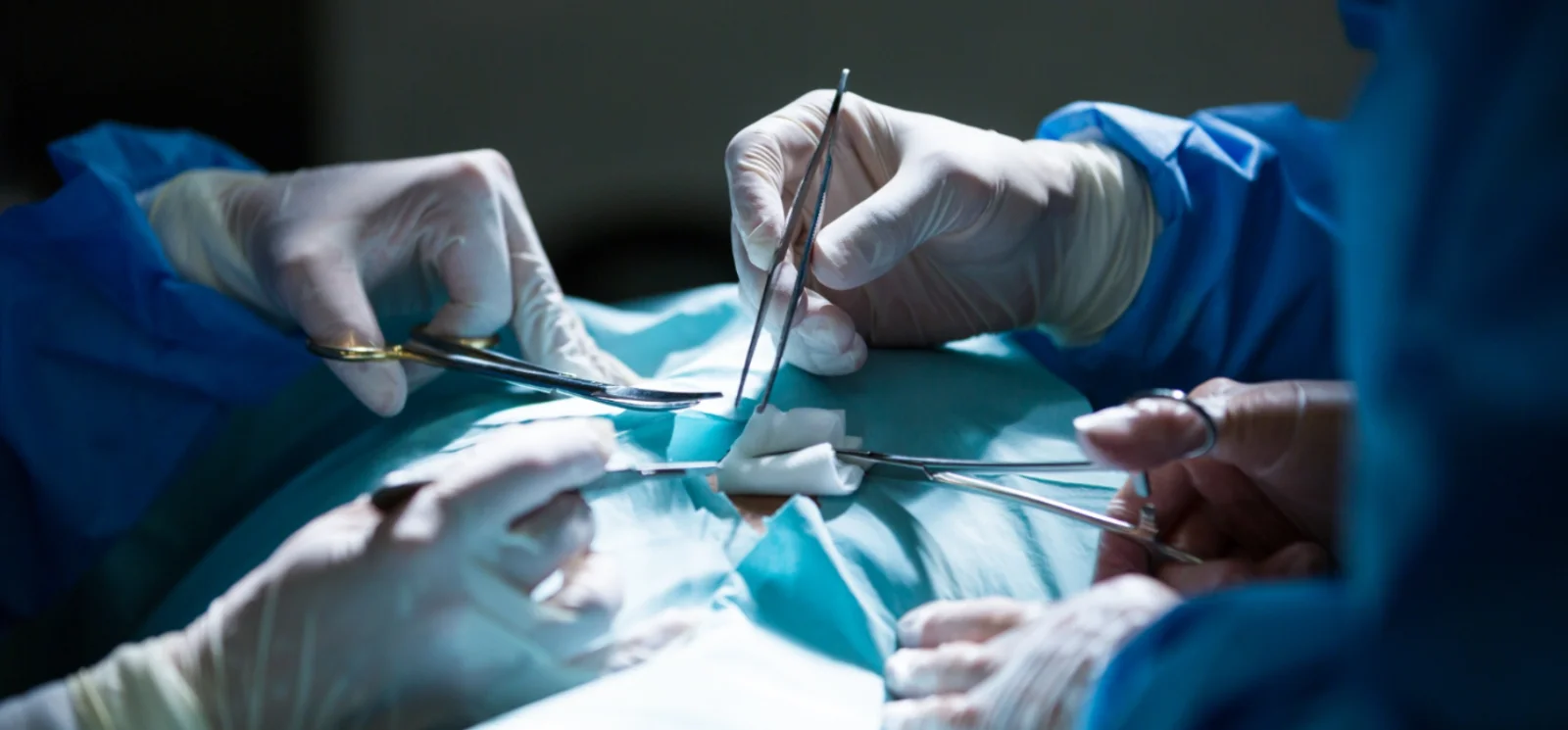
Colorectal Surgery
About Colorectal Surgery
Colorectal Surgery in Bangalore at Nano Hospitals is recognized among the one of the best and top treatment options for patients suffering from colorectal diseases, including colon cancer, rectal disorders, inflammatory bowel disease, and hemorrhoids. As a best hospital in Bangalore for gastrointestinal and colorectal care, Nano Hospitals provides advanced surgical treatments using modern techniques to ensure accurate diagnosis, effective treatment, and faster recovery. Early diagnosis and timely intervention can help prevent complications and improve long-term digestive health and quality of life.
This article explains colorectal surgery comprehensively — what colorectal conditions are, symptoms, causes, risks, prevention, diagnosis, surgical procedures, recovery, complications, and long-term outlook.
Overview
The colon and rectum are parts of the large intestine responsible for absorbing water and eliminating waste. Common conditions requiring surgery include:
Colorectal cancer – malignant growth in colon or rectum.
Diverticulitis – inflamed pouches in colon wall.
Inflammatory bowel disease (IBD) – Crohn’s disease, ulcerative colitis.
Polyps – precancerous growths.
Hemorrhoids – swollen rectal veins.
Anal fistulas and fissures.
Understanding The Procedure
Symptoms That May Require Colorectal Surgery
- ⦾ Persistent rectal bleeding
- ⦾ Blood in stools
- ⦾ Persistent constipation or diarrhea
- ⦾ Unexplained weight loss
- ⦾ Change in bowel habits
- ⦾ Pain during bowel movements
Recovery & Outlook
Colorectal surgery is highly effective. Cancer survival rates improve significantly with early surgery. Patients with IBD or diverticulitis experience relief from chronic symptoms. With modern laparoscopic and robotic techniques, recovery is faster and outcomes are excellent.
Risks
- ⦾ Bleeding or infection
- ⦾ Anastomotic leak after bowel joining
- ⦾ Temporary or permanent stoma in selected cases
- ⦾ Ileus or delayed bowel recovery
- ⦾ Blood clots or cardiorespiratory complications
Post-Operative Care
- ⦾ Gradual diet advancement
- ⦾ Pain control and early walking
- ⦾ Wound and drain care
- ⦾ Stoma education when applicable
- ⦾ Follow-up for pathology and further treatment planning
Conclusion
Colorectal surgery is a vital treatment for serious digestive conditions. It saves lives, restores bowel function, and improves quality of life. With proper diagnosis, surgical expertise, and follow-up care, patients can look forward to long-term health and well-being.
Doctors Who Perform Colorectal Surgery
Meet experienced general surgery doctors who regularly evaluate and perform colorectal surgery .
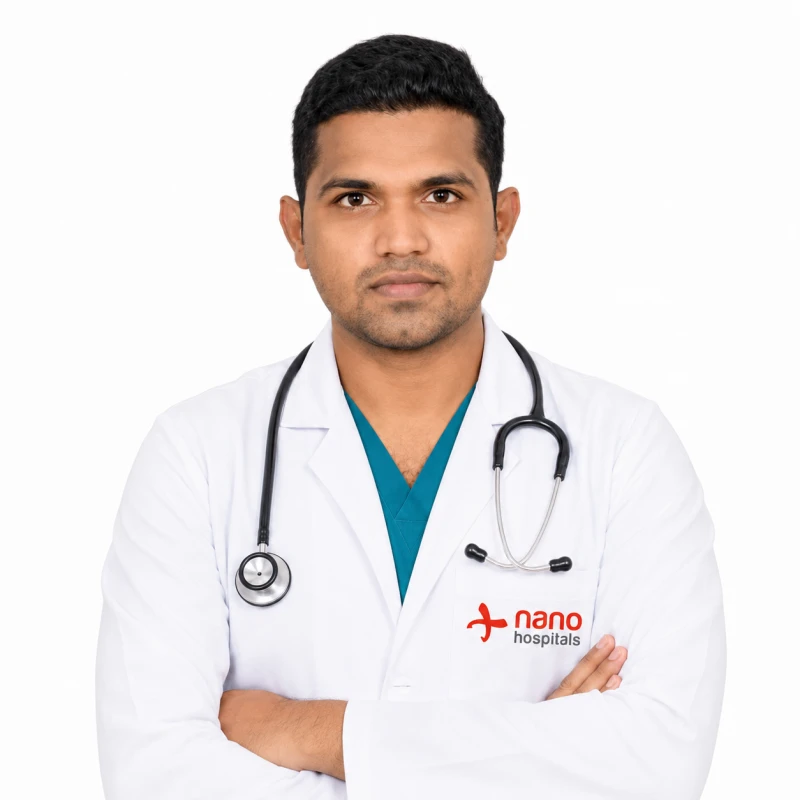
Dr. Abhiram
MBBS, MS in General Surgery.
KMC: 122777
Consultant General Surgeon
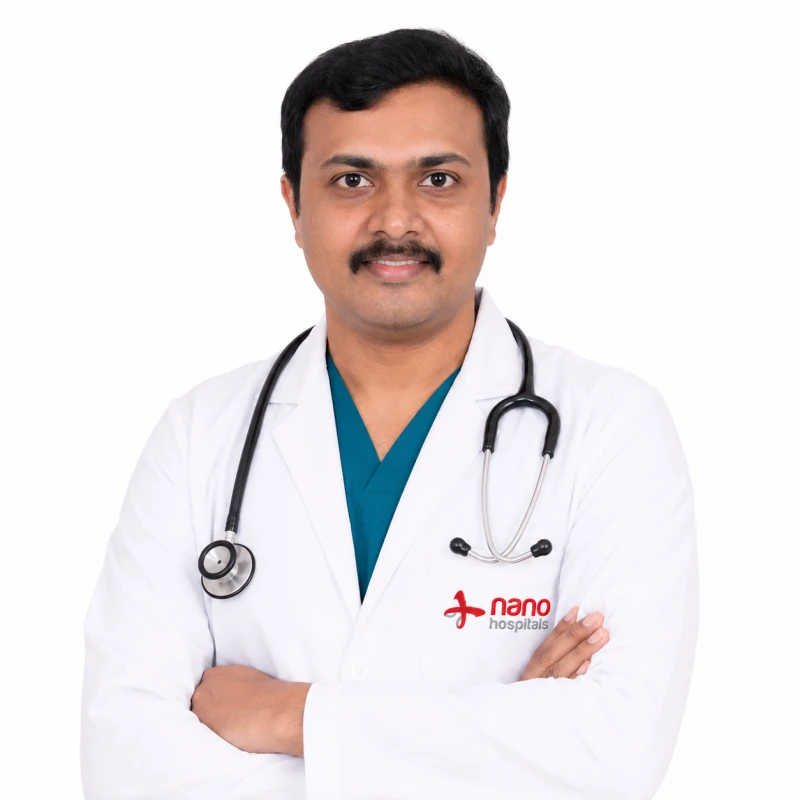
Dr. Anantha Krishna M A
Mbbs Ms Gen Surgery Fsge Fiages
KMC: 85130
Consultant Surgical Gastroenterology surgeon
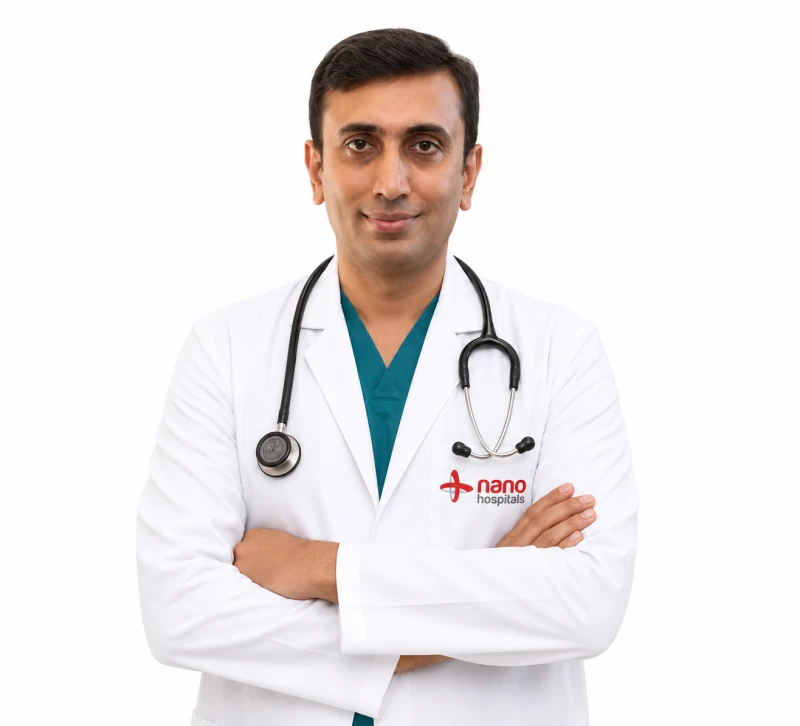
Dr. Niranjan P
MBBS, DNB - General Surgery
KMC: 72600
Consultant General Surgeon
Prefer WhatsApp for Colorectal Surgery enquiries? Chat with our orthopedic team during working hours for quick assistance.