




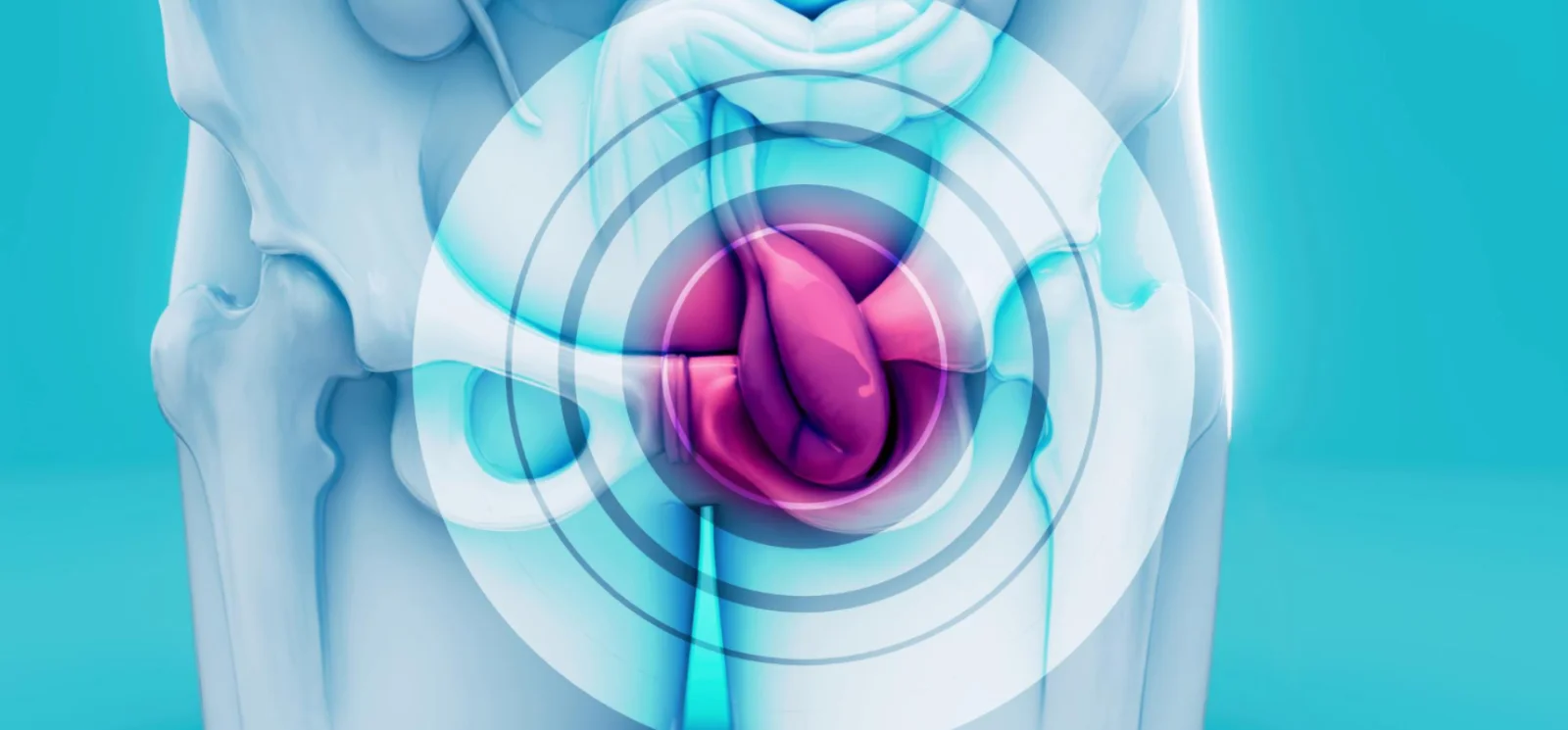
Hernia Repair Surgery
Nano Hospitals provides hernia repair surgery in Bangalore for hernias, which occur when tissue pushes through a weakened area of muscle or connective tissue. Repair may be performed through open or laparoscopic surgery, depending on the type of hernia and the patient’s condition.
About Hernia Repair Surgery
Hernia Repair Surgery in Bangalore at Nano Hospitals is recognized among the best and top treatment options for patients suffering from inguinal, umbilical, incisional, and other types of hernias. As one of the best hospitals in Bangalore for general and laparoscopic surgery, Nano Hospitals provides advanced hernia repair procedures using modern surgical techniques to ensure effective treatment, minimal discomfort, and faster recovery. Early diagnosis and timely treatment can help prevent complications such as strangulation, obstruction, and severe pain while improving overall quality of life.
This article explains hernia repair comprehensively — what a hernia is, symptoms, causes, risks, prevention, diagnosis, surgical procedure, recovery, complications, and long-term outlook.
Overview
A hernia occurs when an internal organ or fatty tissue protrudes through a weakened area of the muscle or connective tissue. Hernia repair surgery strengthens the weakened area and prevents complications such as obstruction or strangulation
Understanding The Procedure
Symptoms That May Require Hernia Repair Surgery
- ⦾ A bulge in the groin, abdomen, or prior surgical scar
- ⦾ Discomfort or pain that worsens with coughing or lifting
- ⦾ Heaviness or pressure at the hernia site
- ⦾ Bulge that reduces when lying down in some cases
- ⦾ Severe pain, redness, or vomiting if the hernia becomes trapped
Recovery & Outlook
Hernia repair is highly successful. Mesh reinforcement reduces recurrence rates significantly. Most patients return to normal activities and enjoy long-term relief.
Risks
- ⦾ Recurrence of the hernia
- ⦾ Infection or seroma
- ⦾ Chronic discomfort at the repair site
- ⦾ Injury to nearby nerves or vessels in rare cases
- ⦾ Mesh-related issues in a small number of patients
Post-Operative Care
- ⦾ Activity restriction and avoid heavy lifting initially
- ⦾ Pain control and wound care
- ⦾ Gradual return to walking and daily routines
- ⦾ Watch for increasing swelling, redness, or fever
- ⦾ Follow-up to confirm sound healing of the repair
Conclusion
Hernia repair is a safe and effective surgery that prevents serious complications like strangulation and obstruction. With modern techniques, recovery is quick, and outcomes are excellent. Patients regain comfort, confidence, and quality of life after surgery.
Doctors Who Perform Hernia Repair Surgery
Meet experienced general surgery doctors who regularly evaluate and perform hernia repair surgery .
Dr. Abhiram
MBBS, MS in General Surgery.
KMC: 122777
Consultant General Surgeon
Dr. Anantha Krishna M A
Mbbs Ms Gen Surgery Fsge Fiages
KMC: 85130
Consultant Surgical Gastroenterology surgeon
Dr. Niranjan P
MBBS, DNB - General Surgery
KMC: 72600
Consultant General Surgeon
Prefer WhatsApp for Hernia Repair Surgery enquiries? Chat with our orthopedic team during working hours for quick assistance.
