




Cesarean Section
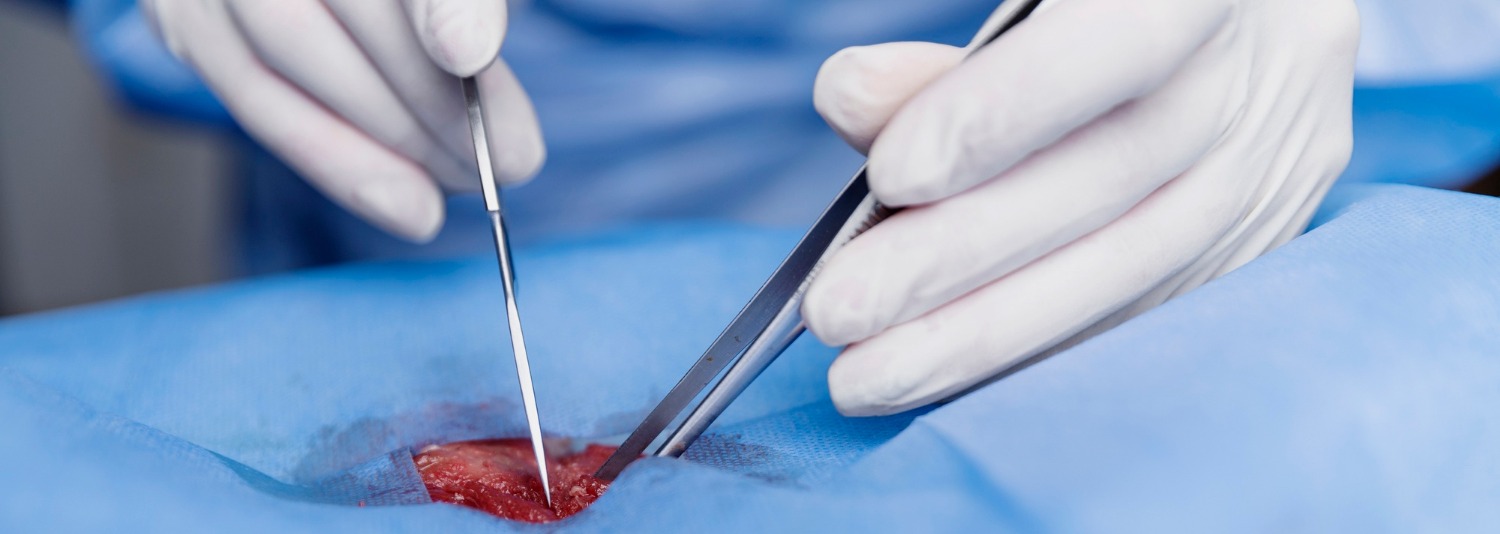
Cesarean section at Nano Hospitals is a surgical method of delivering a baby when a C-section is planned or required because of the circumstances of pregnancy or childbirth. The service is supported by obstetric, maternity and emergency care in Bangalore
About Cesarean Section
Cesarean Section in Bangalore at Nano Hospitals is recognized among the best and top delivery options for mothers requiring a safe and planned childbirth experience. As one of the best hospitals in Bangalore for maternity and women's healthcare, Nano Hospitals provides advanced C-section procedures performed by experienced obstetricians using modern surgical techniques. Early prenatal care, timely diagnosis, and expert medical guidance help ensure the safety and well-being of both mother and baby throughout the delivery journey.
Overview
A C-section is a surgical delivery procedure that involves making an incision in the abdominal wall, usually horizontally just above the pubic hairline, and opening the uterus to deliver the baby. The placenta is then removed, followed by closing the uterus and abdominal layers. A C-section can be planned (elective) or emergency, depending on the situation.
Understanding The Procedure
Symptoms That May Require Cesarean Section
- ⦾ Labor that is not progressing normally.
- ⦾ Fetal distress or abnormal heart-rate patterns
- ⦾ Heavy bleeding or placental complications
- ⦾ Breech presentation or other abnormal fetal positions.
- ⦾ Previous Cesarean section or uterine surgery requiring a planned surgical delivery.
Recovery & Outlook
Most women recover well after a Cesarean section and go on to have healthy future pregnancies with appropriate medical care.Counseling and careful planning are essential for future pregnancies.
Risks
- ⦾ Bleeding or infection
- ⦾ Blood clots
- ⦾ Rare injury to nearby organs such as the bladder or bowel.
- ⦾ Longer recovery compared to an uncomplicated vaginal delivery.
- ⦾ Possible implications for future pregnancies
Post-Operative Care
- ⦾ Pain relief and wound care
- ⦾ Early gentle mobilization.
- ⦾ Breastfeeding and newborn support
- ⦾ Monitoring for fever, excessive bleeding, or wound infection.
- ⦾ Activity guidance during the healing period
Conclusion
Cesarean section is a life‑saving surgery when complications arise during childbirth. While vaginal delivery remains the natural route, C‑section ensures safe outcomes for both the mother and the baby. With modern surgical techniques, anesthesia, and post‑operative care, recovery is smooth, and long‑term outcomes are positive.
Doctors Who Perform Cesarean Section
Meet experienced obstetrics and gynaecology(women care) doctors who regularly evaluate and perform cesarean section .
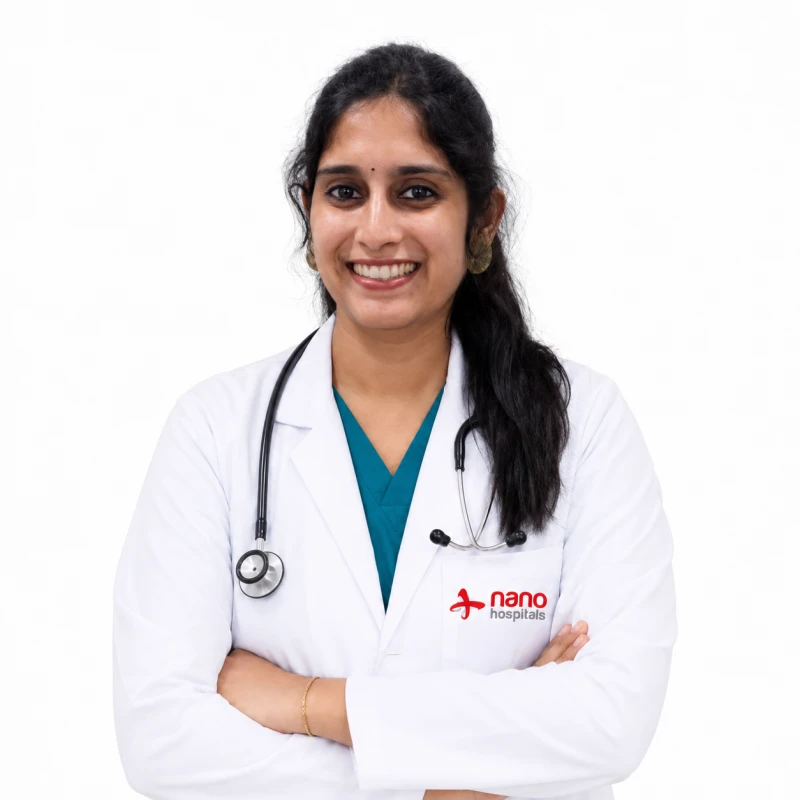
Dr Shruthi G Naik
MBBS, MS(OBGY) (Gold medalist), DNB, FMAS, FRM, High risk Obstetrics Laparoscopy surgery, Infertility Specialist
KMC: 123144
Consultant Gynaecologist
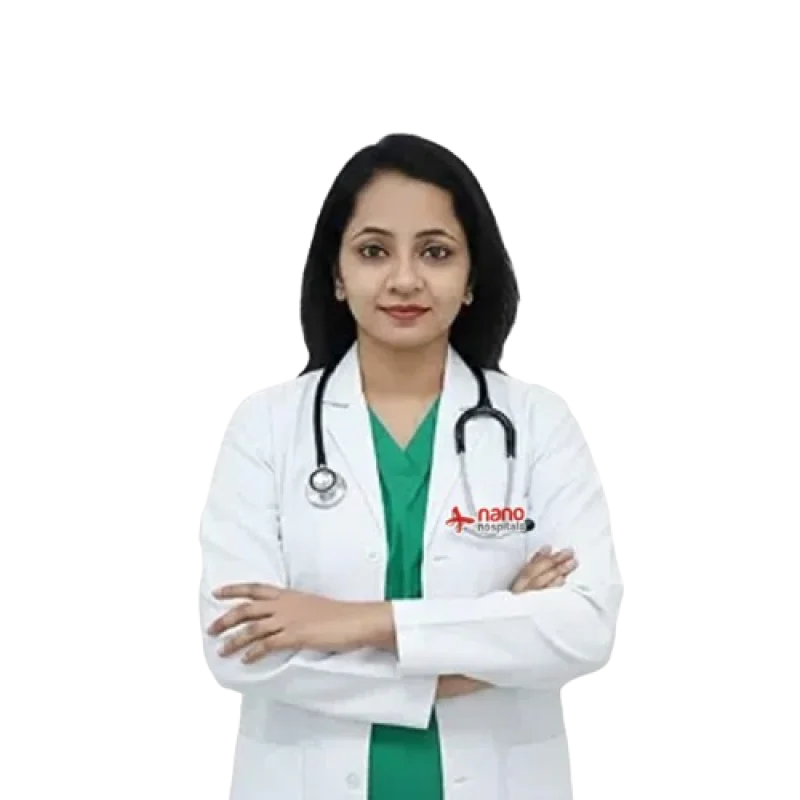
Dr Ramya K S
MBBS, MS - Gynaecology
KMC: 88023
Consultant Gynecologist, Obstetrician and Laproscopic Surgeon
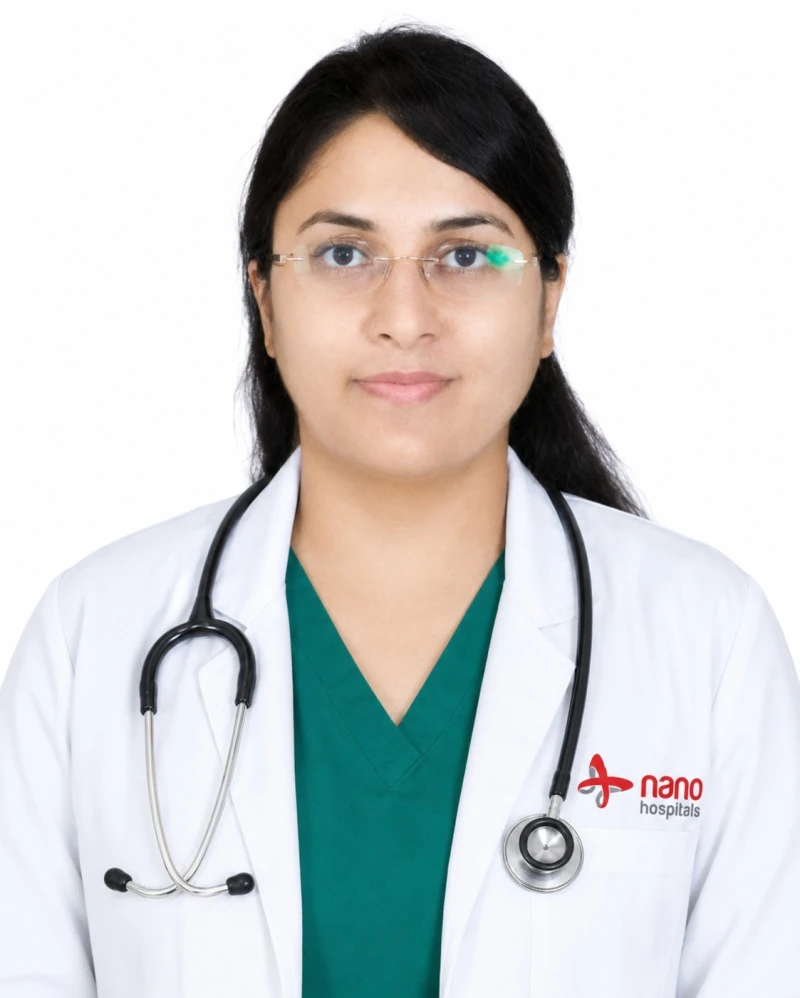
Dr Greeshma G
MBBS, MS,DNB - Obstetrics & Gynaecology
KMC: 123445
Consultant Obstetrics & Gynaecologist
Prefer WhatsApp for Cesarean Section enquiries? Chat with our orthopedic team during working hours for quick assistance.