




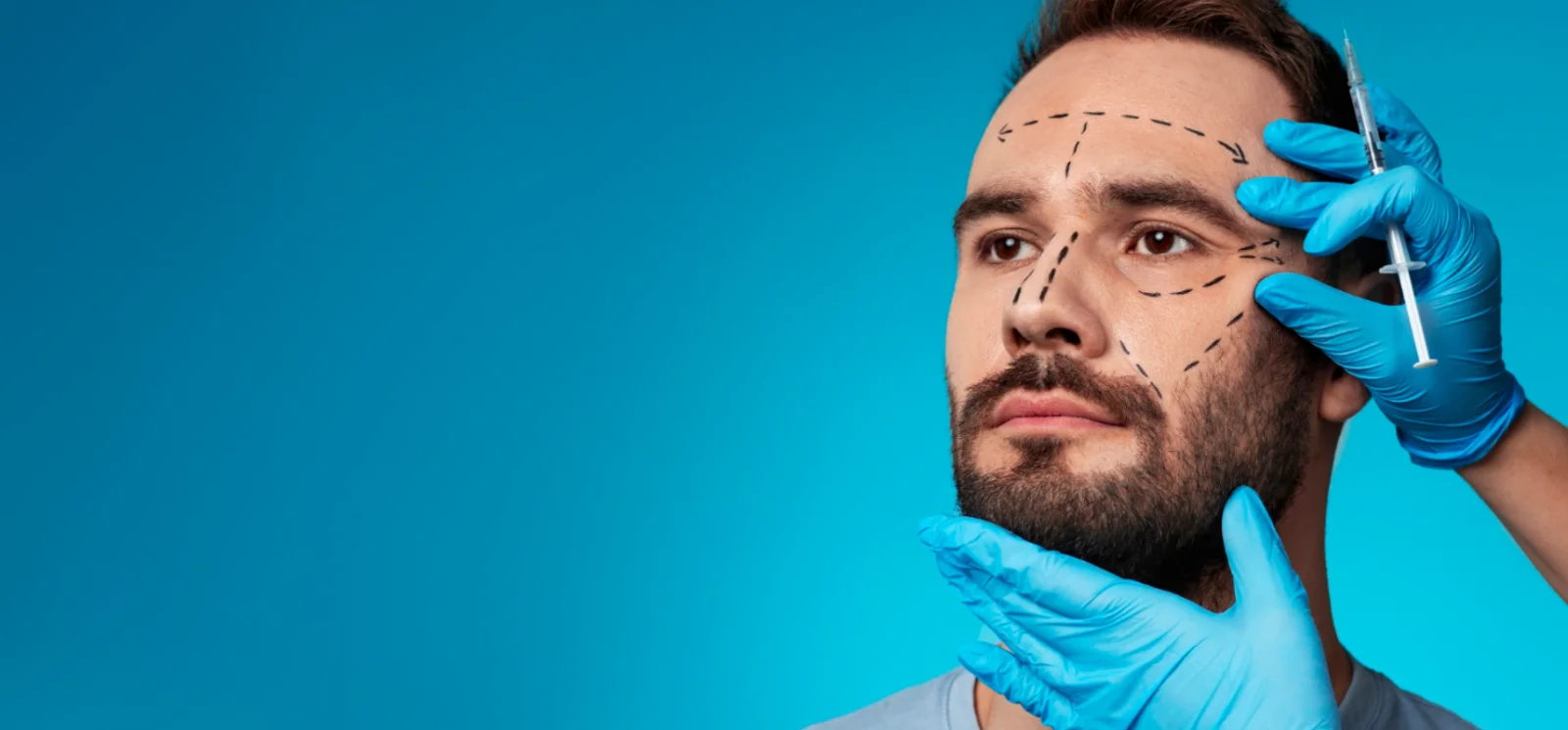
Skin Surgery
About Skin Surgery
Skin Surgery in Bangalore at Nano Hospitals is offers advanced skin surgery for the treatment of skin growths, cysts, moles, skin cancers, and other dermatological conditions. As a best hospital in Bangalore for surgical and dermatological care, Nano Hospitals offers advanced skin surgery procedures using modern techniques to ensure precise treatment and optimal cosmetic outcomes. Early diagnosis and timely treatment can help prevent complications, promote faster healing, and improve overall skin health.
This article explains skin surgery comprehensively — what skin lesions are, symptoms, causes, risks, prevention, diagnosis, surgical procedure, recovery, complications, and long-term outlook.
Overview
Skin lesions are abnormal growths or changes in the skin. They may be:
Benign: moles, cysts, lipomas, warts.
Premalignant: actinic keratosis (sun-damaged patches).
Malignant: basal cell carcinoma, squamous cell carcinoma, melanoma.
Understanding The Procedure
Symptoms That May Require Skin Surgery
- ⦾ A changing mole, growth, or non-healing skin lesion
- ⦾ Bleeding, crusting, or ulceration of a skin spot
- ⦾ Persistent cysts, lipomas, or painful skin lumps
- ⦾ Suspected skin cancer on clinical examination
- ⦾ Scarring or lesions needing excision for diagnosis or comfort
- ⦾ New or changing mole
- ⦾ Non-healing skin ulcer
- ⦾ Rapidly growing skin lump
- ⦾ Bleeding or painful skin lesion
- ⦾ Recurrent cyst or lipoma
- ⦾ Suspicious skin discoloration
Recovery & Outlook
Recovery depends on the type and size of the procedure. Most minor skin surgeries heal within 1–3 weeks, while larger procedures may require a longer recovery period.
Risks
- ⦾ Bleeding, infection, or delayed healing
- ⦾ Scarring or pigment change
- ⦾ Nerve irritation in sensitive areas
- ⦾ Incomplete margins requiring further treatment
- ⦾ Recurrence of some lesions
Post-Operative Care
- ⦾ Keep the wound clean and dry.
- ⦾ Change dressings as advised.
- ⦾ Protect the area from sun exposure.
- ⦾ Watch for redness, swelling, or discharge.
- ⦾ Attend follow-up visits for wound review and biopsy results.
Conclusion
Skin surgery is a safe and effective procedure for removing abnormal skin growths. It ensures accurate diagnosis, prevents cancer spread, and restores confidence. With proper care and follow-up, patients enjoy excellent outcomes and peace of mind.
Doctors Who Perform Skin Surgery
Meet experienced dermatology doctors who regularly evaluate and perform skin surgery .
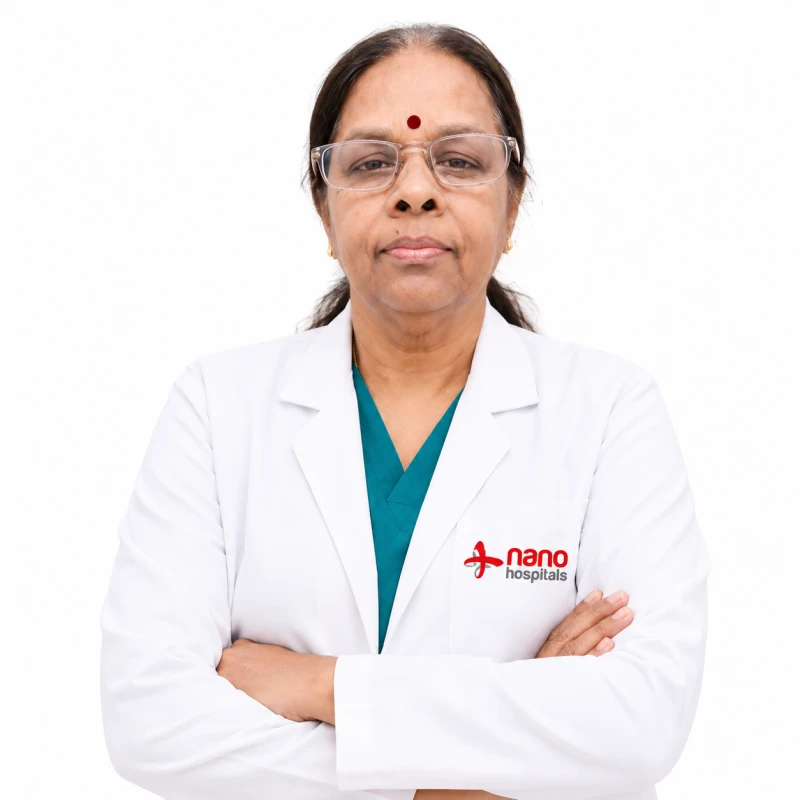
Dr. Ranjini Gunaseelan
MBBS and an MD in Dermatology
KMC: 0000503
Consultant Dermatologist
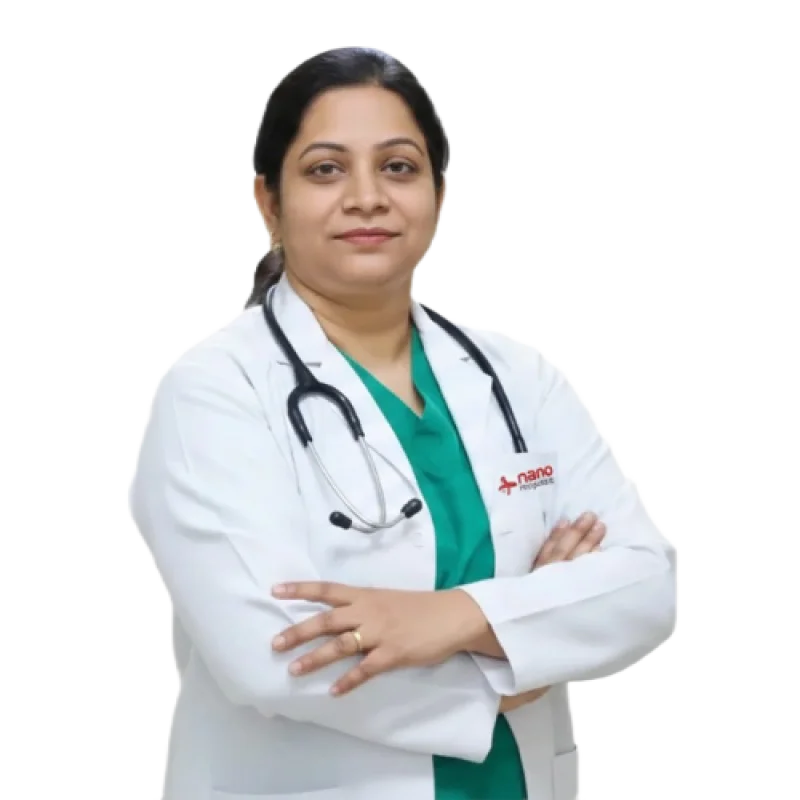
Dr Vani Yepuri
MBBS,DDVL, FRGUHS, Fellowship In Medical Cosmetology
KMC: 93598
Consultant Dermatologist And Asthetician
Prefer WhatsApp for Skin Surgery enquiries? Chat with our orthopedic team during working hours for quick assistance.