




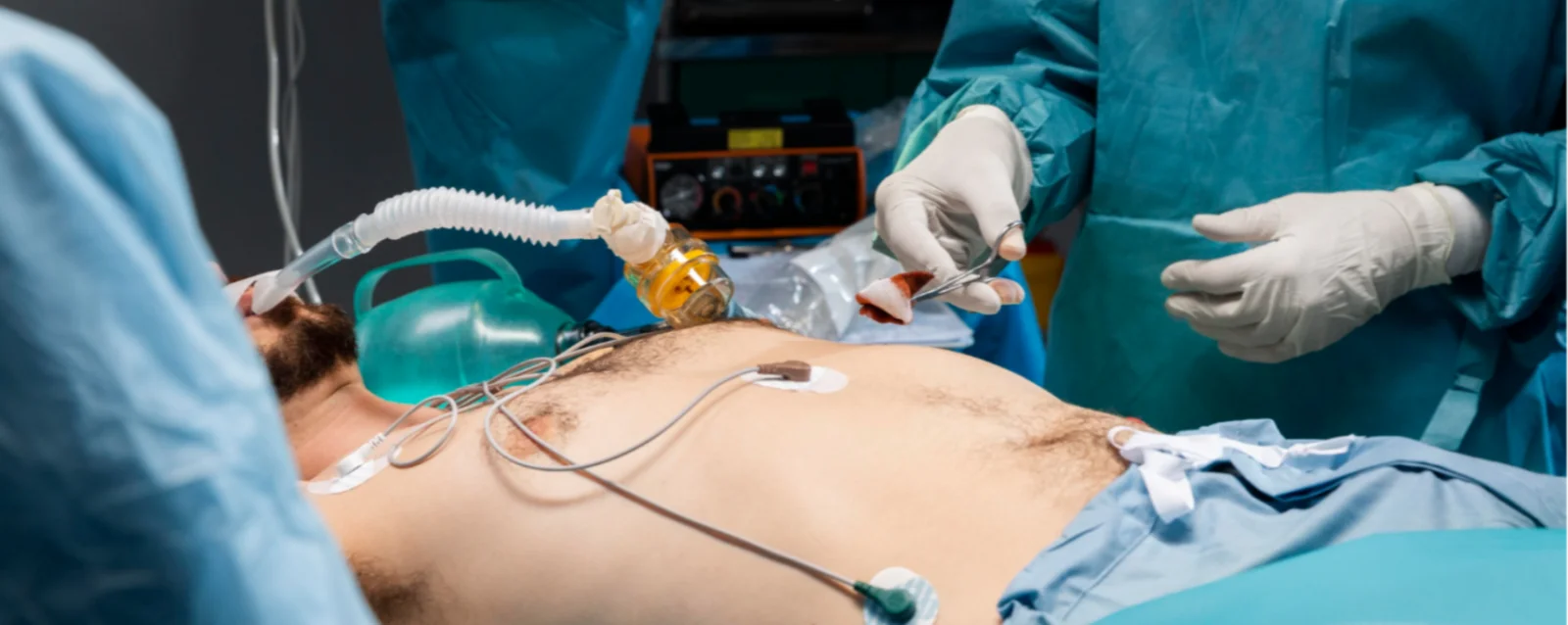
Cholecystectomy
Nano Hospitals provides cholecystectomy in Bangalore to treat gallstones and certain gallbladder conditions. The surgery removes the gallbladder and may be performed using a laparoscopic or open approach, depending on the patient’s condition.
About Cholecystectomy
Cholecystectomy in Bangalore at Nano Hospitals is recognized among the best and top treatment options for patients suffering from gallstones, gallbladder inflammation, and other gallbladder disorders. As a best hospital in Bangalore for gastrointestinal and laparoscopic surgery, Nano Hospitals provides advanced gallbladder removal procedures using modern minimally invasive techniques to ensure effective treatment, reduced pain, and faster recovery. Early diagnosis and timely treatment can help prevent serious complications such as gallbladder infection, bile duct obstruction, and pancreatitis.
This article provides a comprehensive overview of gallbladder disease and cholecystectomy — symptoms, causes, risks, prevention, diagnosis, surgical procedure, recovery, complications, and long-term outlook.
Overview
The gallbladder stores bile, which helps digest fats. When bile becomes imbalanced, stones form. These stones can block ducts, leading to pain and infection.
Cholecystectomy removes the gallbladder entirely, preventing recurrence of gallstones.
Understanding The Procedure
Symptoms That May Require Cholecystectomy
- ⦾ Severe pain in the upper right abdomen or under the ribs
- ⦾ Pain after fatty meals
- ⦾ Nausea or vomiting
- ⦾ Bloating and indigestion
- ⦾ Fever or jaundice if infection or bile-duct blockage occurs
Recovery & Outlook
Patients live normal lives without a gallbladder. Bile flows directly from liver to intestine. Some may experience mild digestive changes, but most adapt well.
Risks
- ⦾ Bleeding or infection
- ⦾ Bile leak
- ⦾ Injury to the bile duct in rare cases
- ⦾ Retained stones in the bile duct
- ⦾ Temporary digestive changes after surgery
Post-Operative Care
- ⦾ Early mobilisation and pain control
- ⦾ Light diet progressing as tolerated
- ⦾ Wound care for port sites
- ⦾ Monitoring for fever, jaundice, or severe pain
- ⦾ Gradual return to normal activity
Conclusion
Cholecystectomy is a safe and effective treatment for gallstones and gallbladder disease. With modern laparoscopic techniques, recovery is quick, and risks are minimal. Patients regain comfort, avoid recurrent attacks, and enjoy a healthy life after surgery.
Doctors Who Perform Cholecystectomy
Meet experienced general surgery doctors who regularly evaluate and perform cholecystectomy .
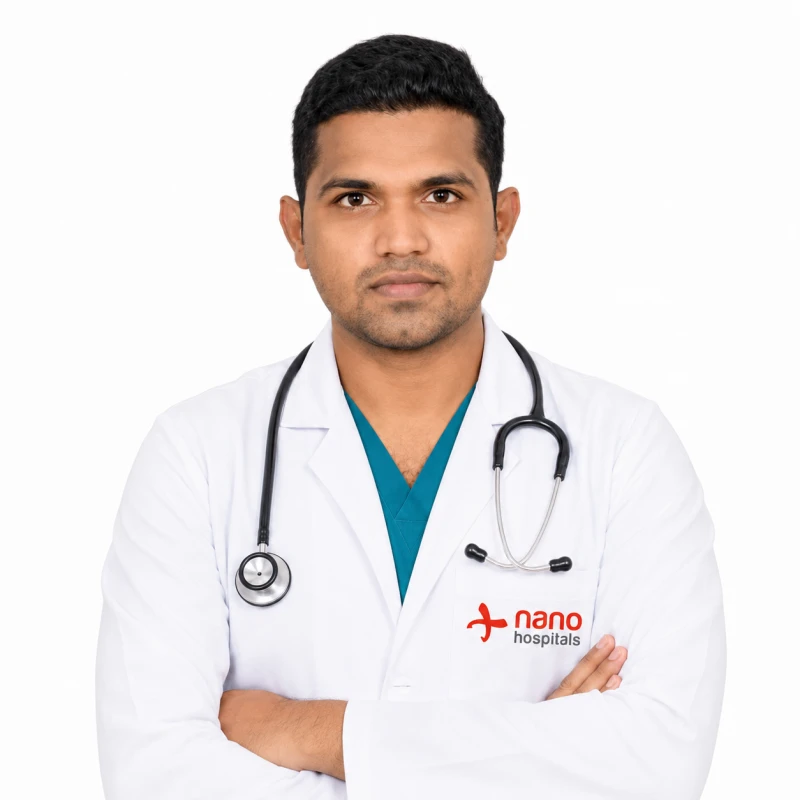
Dr. Abhiram
MBBS, MS in General Surgery.
KMC: 122777
Consultant General Surgeon
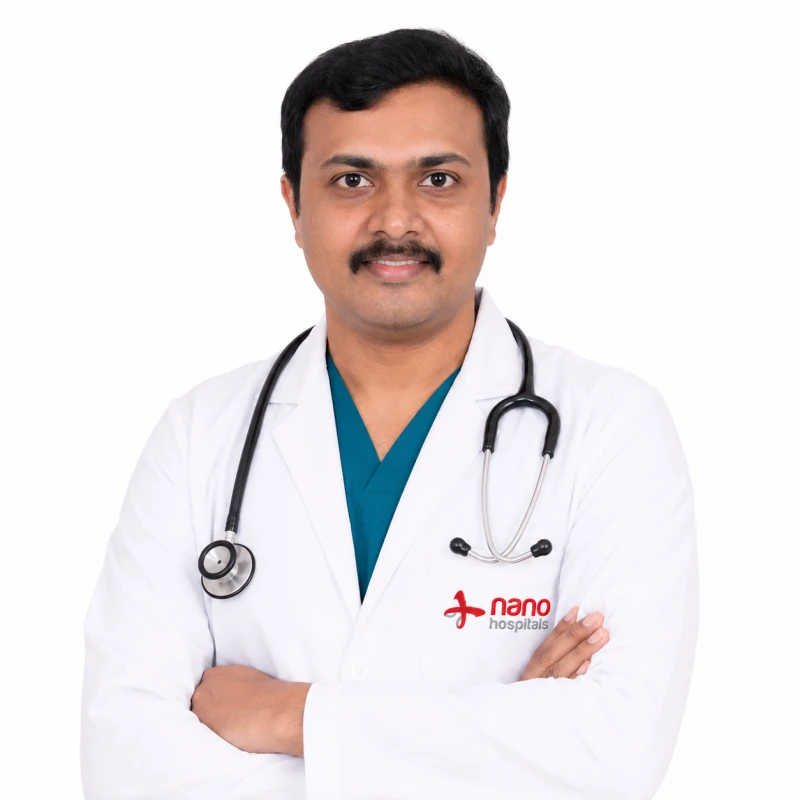
Dr. Anantha Krishna M A
Mbbs Ms Gen Surgery Fsge Fiages
KMC: 85130
Consultant Surgical Gastroenterology surgeon
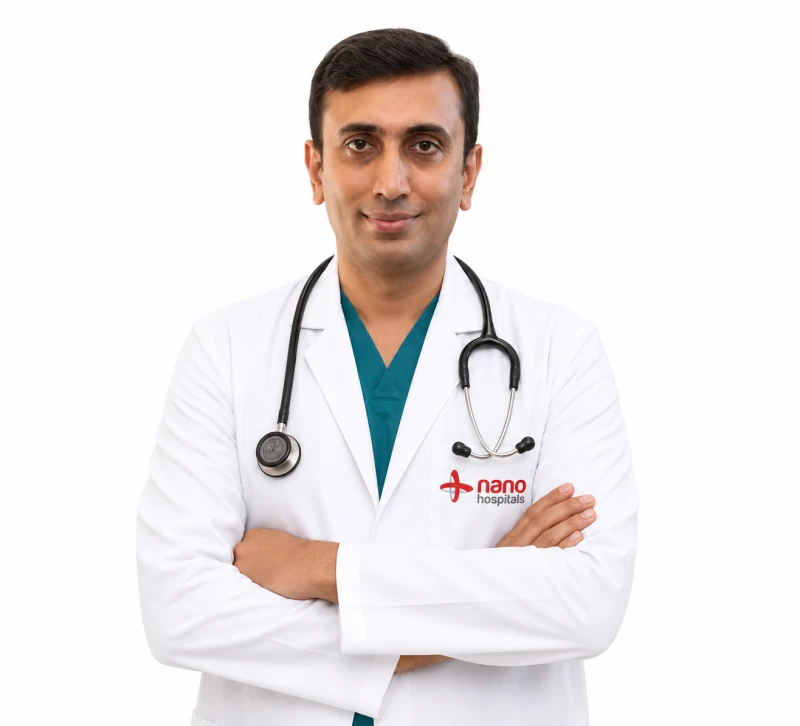
Dr. Niranjan P
MBBS, DNB - General Surgery
KMC: 72600
Consultant General Surgeon
Prefer WhatsApp for Cholecystectomy enquiries? Chat with our orthopedic team during working hours for quick assistance.