





Breast Surgery
Nano Hospitals provides breast surgery in Bangalore for selected breast conditions, including breast lumps, benign breast conditions and breast cancer. Depending on the diagnosis, surgery may include breast-conserving surgery or mastectomy, with treatment planned according to the patient’s needs.
About Breast Surgery
Breast Surgery in Bangalore at Nano Hospitals is recognized among the best and top treatment options for patients with breast lumps, breast cancer, benign breast conditions, and cosmetic or reconstructive breast concerns. As one of the best hospitals in Bangalore for breast care and surgical treatment, Nano Hospitals provides advanced breast surgery procedures using modern techniques to ensure precise treatment, improved outcomes, and faster recovery. Early diagnosis and timely treatment can help detect serious conditions at an early stage and support better long-term health.
This article explains breast surgery comprehensively — what the condition is, symptoms, causes, risks, prevention, diagnosis, surgical procedure, recovery, complications, and long-term outlook.
Overview
Breast cancer occurs when abnormal cells grow uncontrollably in breast tissue. It may present as a lump, nipple discharge, or skin changes. Surgery is often the first line of treatment, combined with therapies like chemotherapy, radiation, or hormone therapy.
Understanding The Procedure
Symptoms That May Require Breast Surgery
- ⦾ A new or persistent breast lump or thickening.
- ⦾ Unexplained nipple discharge, especially if bloody or occurring from one breast.
- ⦾ Persistent breast pain or discomfort that requires medical evaluation.
- ⦾ Unexplained nipple discharge, especially if bloody or occurring from one breast.
- ⦾ Enlarged lymph nodes under the arm in some cases
Recovery & Outlook
Recovery depends on the type of breast surgery performed. Most patients can gradually resume normal daily activities within a few weeks, following their surgeon's advice.
Risks
- ⦾ Bleeding, infection, or delayed wound healing.
- ⦾ Changes in breast shape or sensation
- ⦾ Lymphedema after lymph-node surgery
- ⦾ Scarring or changes in breast appearance.
- ⦾ Need for further treatment based on pathology
Post-Operative Care
- ⦾ Wound and drain care as advised
- ⦾ Arm mobility exercises when recommended
- ⦾ Pain control and swelling support
- ⦾ Pathology review and next-step oncology planning
- ⦾ Follow-up for healing and rehabilitation
Conclusion
Breast surgery is a safe and effective treatment for a wide range of breast conditions. Early diagnosis, timely surgical intervention, and appropriate follow-up care help achieve the best possible outcomes.
Doctors Who Perform Breast Surgery
Meet experienced general surgery doctors who regularly evaluate and perform breast surgery .
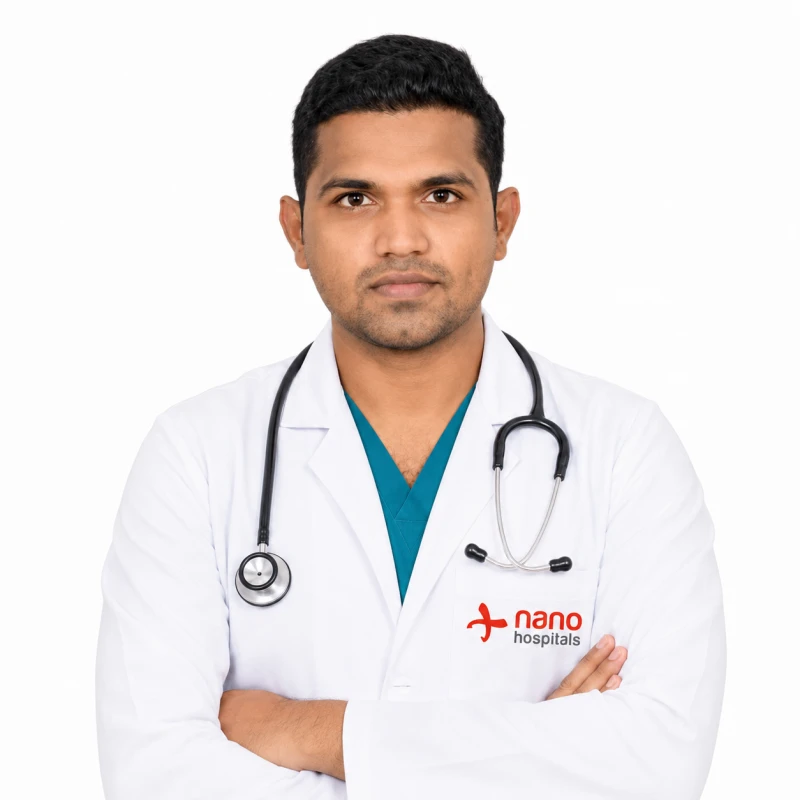
Dr. Abhiram
MBBS, MS in General Surgery.
KMC: 122777
Consultant General Surgeon

Dr. Anantha Krishna M A
Mbbs Ms Gen Surgery Fsge Fiages
KMC: 85130
Consultant Surgical Gastroenterology surgeon
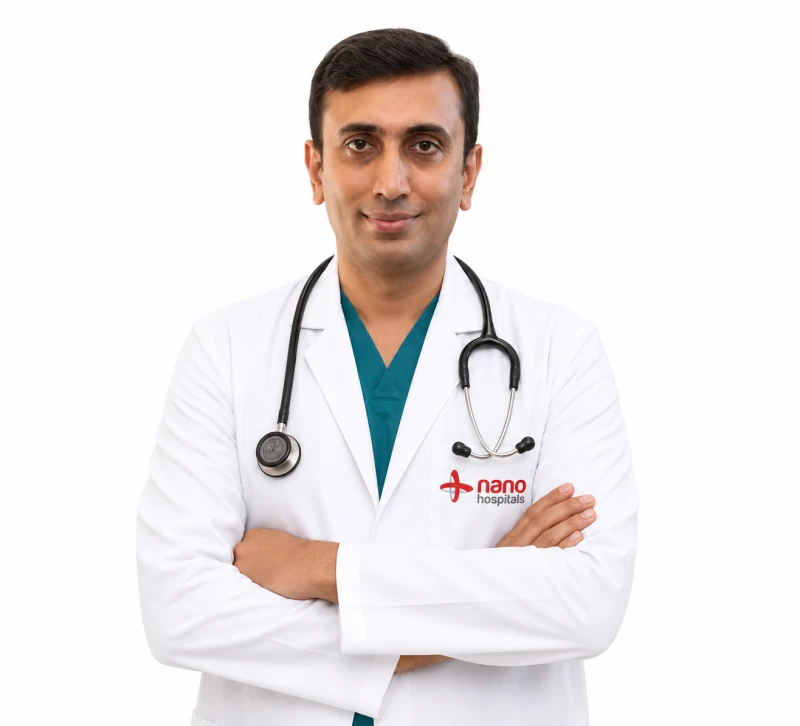
Dr. Niranjan P
MBBS, DNB - General Surgery
KMC: 72600
Consultant General Surgeon
Prefer WhatsApp for Breast Surgery enquiries? Chat with our orthopedic team during working hours for quick assistance.