




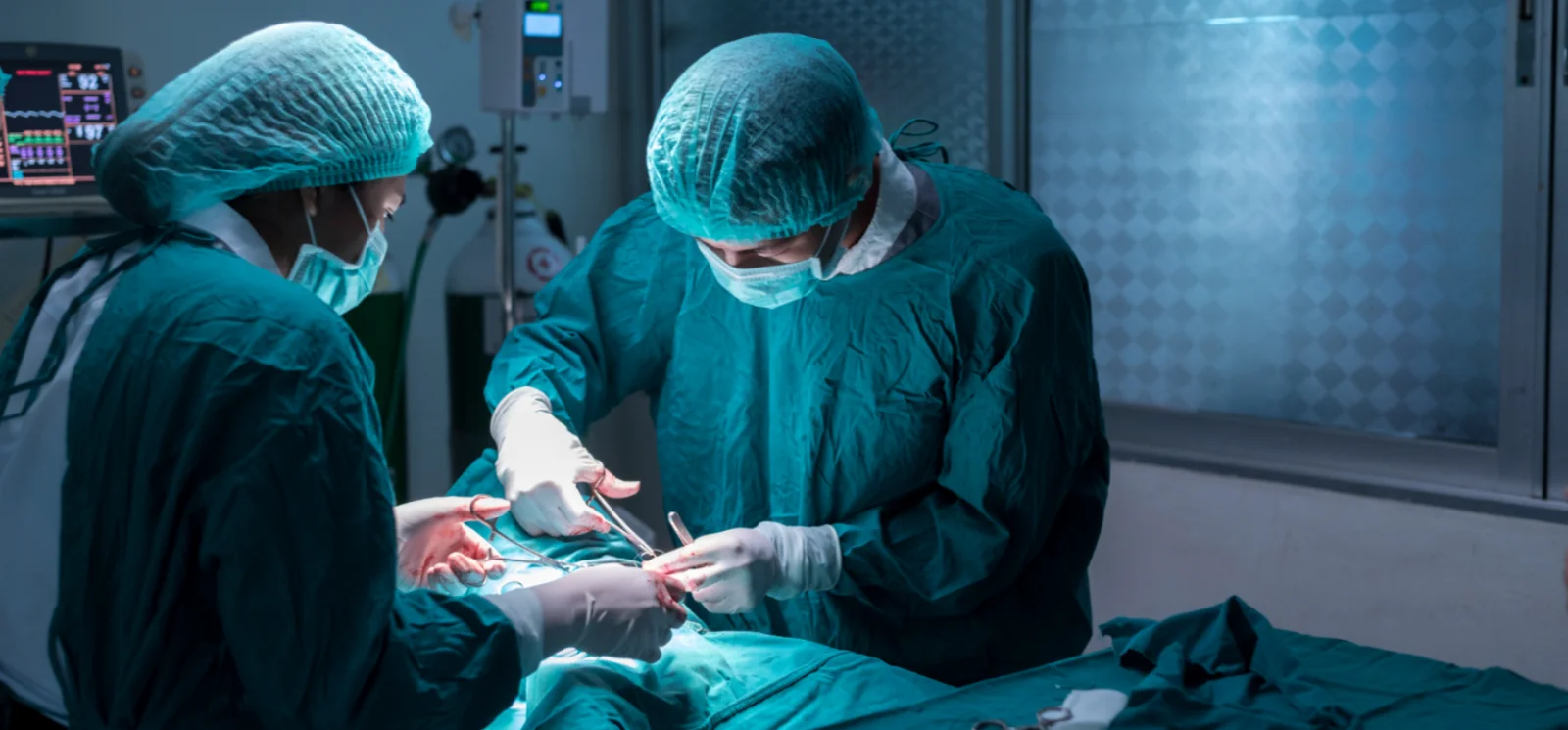
Prostate Surgery
About Prostate Surgery
Prostate Surgery in Bangalore at Nano Hospitals is recognized among the best and top treatment options for men suffering from prostate enlargement, urinary problems, prostate cancer, and other urological conditions. As a best hospital in Bangalore for urology care, Nano Hospitals provides advanced prostate surgery procedures using modern surgical techniques to ensure precise treatment, improved urinary function, and faster recovery. Early diagnosis and timely treatment can help prevent complications, improve quality of life, and support long-term urinary health.
This article explains prostate surgery comprehensively — what the condition is, symptoms, causes, risks, prevention, diagnosis, surgical procedure, recovery, complications, and long-term outlook.
Overview
Benign Prostatic Hyperplasia (BPH): Non-cancerous enlargement of the prostate, common in older men.
Prostate Cancer: Malignant growth of prostate cells, one of the most common cancers in men.
Both conditions may require surgical intervention when symptoms are severe or life-threatening.
Understanding The Procedure
Symptoms That May Require Prostate Surgery
- ⦾ Weak urine stream or difficulty starting urination
- ⦾ Frequent urination, especially at night
- ⦾ Incomplete bladder emptying
- ⦾ Urinary urgency or intermittent stopping of flow
- ⦾ Blood in urine or suspected prostate cancer findings
Recovery & Outlook
Prostate surgery is highly effective. TURP relieves urinary symptoms in BPH, while radical prostatectomy offers cure for localized cancer. With modern techniques (laparoscopic, robotic), recovery is faster and complications fewer.
Risks
- ⦾ Bleeding or infection
- ⦾ Temporary or longer-term urinary incontinence
- ⦾ Erectile dysfunction after some cancer surgeries
- ⦾ Urinary stricture or need for catheter support
- ⦾ Retrograde ejaculation after certain BPH procedures
Post-Operative Care
- ⦾ Catheter care for the prescribed duration
- ⦾ Hydration and monitoring of urine output
- ⦾ Pelvic floor exercises when advised
- ⦾ Activity restrictions during early healing
- ⦾ Follow-up PSA or symptom review based on diagnosis
Conclusion
Prostate surgery is a vital treatment for men with severe prostate disease. It restores urinary function, prevents complications, and saves lives in cancer cases. With proper diagnosis, surgical expertise, and rehabilitation, patients regain health and quality of life.
Doctors Who Perform Prostate Surgery
Meet experienced urology doctors who regularly evaluate and perform prostate surgery .

Dr Santosh Kumar Subudhi
MBBS,MS,DNB (General Surgery)
KMC: 0000026
Consultant Urologist
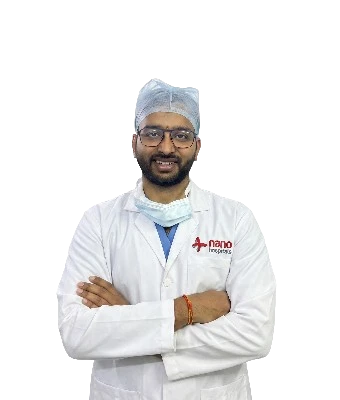
Dr Dhruva H M
MBBS,MS,DNB,MCh
KMC: 117557
Consultant Urologist and Andrologist

Dr Sharath C T
MBBS, MS – General Surgery, DNB – Urology/Genito-Urinary Surgery
KMC: 95039
Consultant Urologist and Andrologist
Prefer WhatsApp for Prostate Surgery enquiries? Chat with our orthopedic team during working hours for quick assistance.