




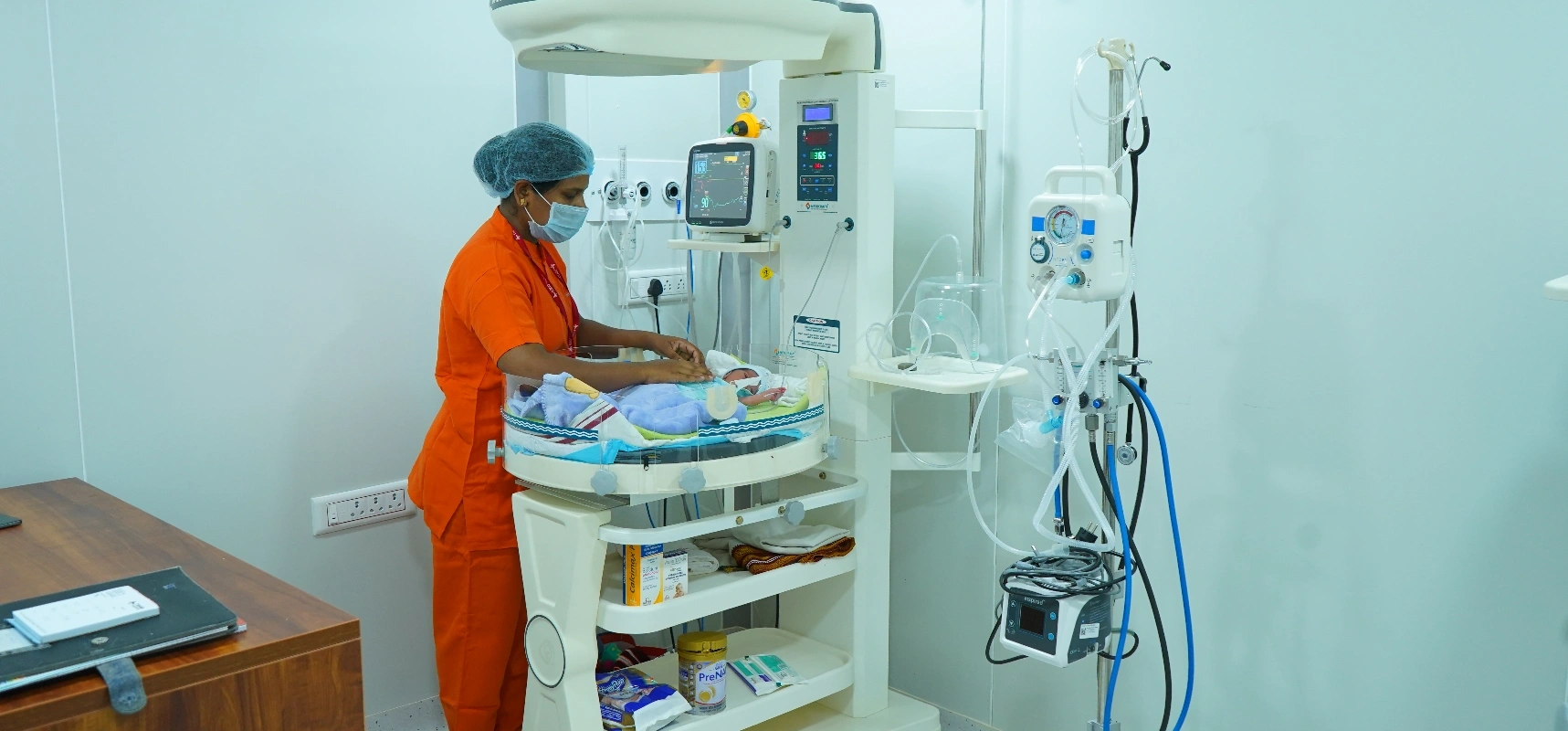
Neonatal Resuscitation
Nano Hospitals provides neonatal resuscitation, the immediate medical care given to newborns who need help starting or maintaining breathing after birth. Care is provided according to the newborn’s condition.
About Neonatal Resuscitation
Neonatal Resuscitation Services at Nano Hospitals are specialized emergency interventions designed to support newborn babies who have difficulty breathing or adapting immediately after birth. These life-saving procedures help stabilize infants experiencing breathing problems, low heart rate, poor muscle tone, or other complications during the first critical minutes of life.
With trained neonatal teams and advanced newborn care equipment, Nano Hospitals ensure that every newborn requiring urgent support receives timely and expert medical attention.
Overview
Neonatal resuscitation refers to the immediate medical care given to newborns who do not start breathing effectively at birth. While most babies cry and breathe on their own, a small percentage need assistance to establish proper breathing and circulation.
At Nano Hospitals, neonatal resuscitation is conducted by trained pediatricians and neonatal nurses following standardized newborn resuscitation protocols to ensure the safest possible start to life.
Workflow
- Step 1: Immediate Assessment at Birth The newborn is quickly assessed for breathing, heart rate, muscle tone, and color immediately after delivery.
- Step 2: Initial Support If the baby is not breathing well, steps such as warming, drying, positioning the airway, and gentle stimulation are performed.
- Step 3: Airway and Breathing Support If breathing does not improve, assisted ventilation using a bag and mask or advanced airway support may be provided.
- Step 4: Circulation Support If the heart rate remains low, chest compressions and medications may be given as per neonatal protocols.
- Step 5: Transfer to NICU Once stabilized, the baby may be shifted to the Neonatal Intensive Care Unit (NICU) for continued monitoring and care.
Benefits & Value
For Newborns
- Rapid stabilization of breathing and heart function
- Reduced risk of brain injury from oxygen deprivation
- Improved survival and long-term health outcomes
For Mothers & Families
- Reassurance that expert newborn care is immediately available
- Better communication and guidance during critical moments
- Increased confidence in safe delivery practices
For the Community
- Lower newborn mortality rates
- Stronger neonatal emergency response systems
- Improved early-life health outcomes in the region
Risks & Challenges
- Newborns requiring resuscitation may have underlying complications
- Need for immediate action within seconds after birth
- Risk of breathing or heart instability despite intervention
- Requirement for continued NICU support in some cases
Frequently Asked Questions
What is Neonatal Resuscitation at Nano Hospitals? +
Neonatal Resuscitation is emergency medical care provided to a newborn who has difficulty breathing or needs immediate support after birth.
When is Neonatal Resuscitation required? +
It may be required when a newborn is not breathing adequately, has a low heart rate, or needs assistance to establish effective breathing after delivery.
Who provides Neonatal Resuscitation at Nano Hospitals? +
At Nano Hospitals, Neonatal Resuscitation is provided by trained doctors, neonatal specialists, nurses, and other healthcare professionals.
What does Neonatal Resuscitation involve? +
Depending on the newborn's condition, it may involve stimulation, assisted breathing, oxygen support, chest compressions, or other emergency interventions.
Is Neonatal Resuscitation available during delivery at Nano Hospitals? +
Yes. Nano Hospitals' delivery and neonatal care teams can provide immediate resuscitation support when required during or immediately after childbirth.
Why is immediate Neonatal Resuscitation important? +
Prompt resuscitation can help establish effective breathing and circulation in a newborn when immediate medical support is needed.
Is Neonatal Resuscitation safe for newborns? +
Neonatal Resuscitation involves established emergency medical techniques performed by trained healthcare professionals according to the newborn's condition.
Where is Neonatal Resuscitation performed at Nano Hospitals? +
Neonatal Resuscitation can be provided in the Labour Room, delivery area, or other designated neonatal care areas at Nano Hospitals, depending on the situation.
Is Neonatal Resuscitation an emergency service? +
Yes. Neonatal Resuscitation is an emergency intervention and is provided immediately when a newborn requires breathing or circulatory support.
Can we book an appointment for Neonatal Resuscitation at Nano Hospitals? +
No. Neonatal Resuscitation is an emergency service and cannot be booked as a routine appointment. The trained neonatal team at Nano Hospitals provides immediate care whenever resuscitation is required.