




Laparoscopy
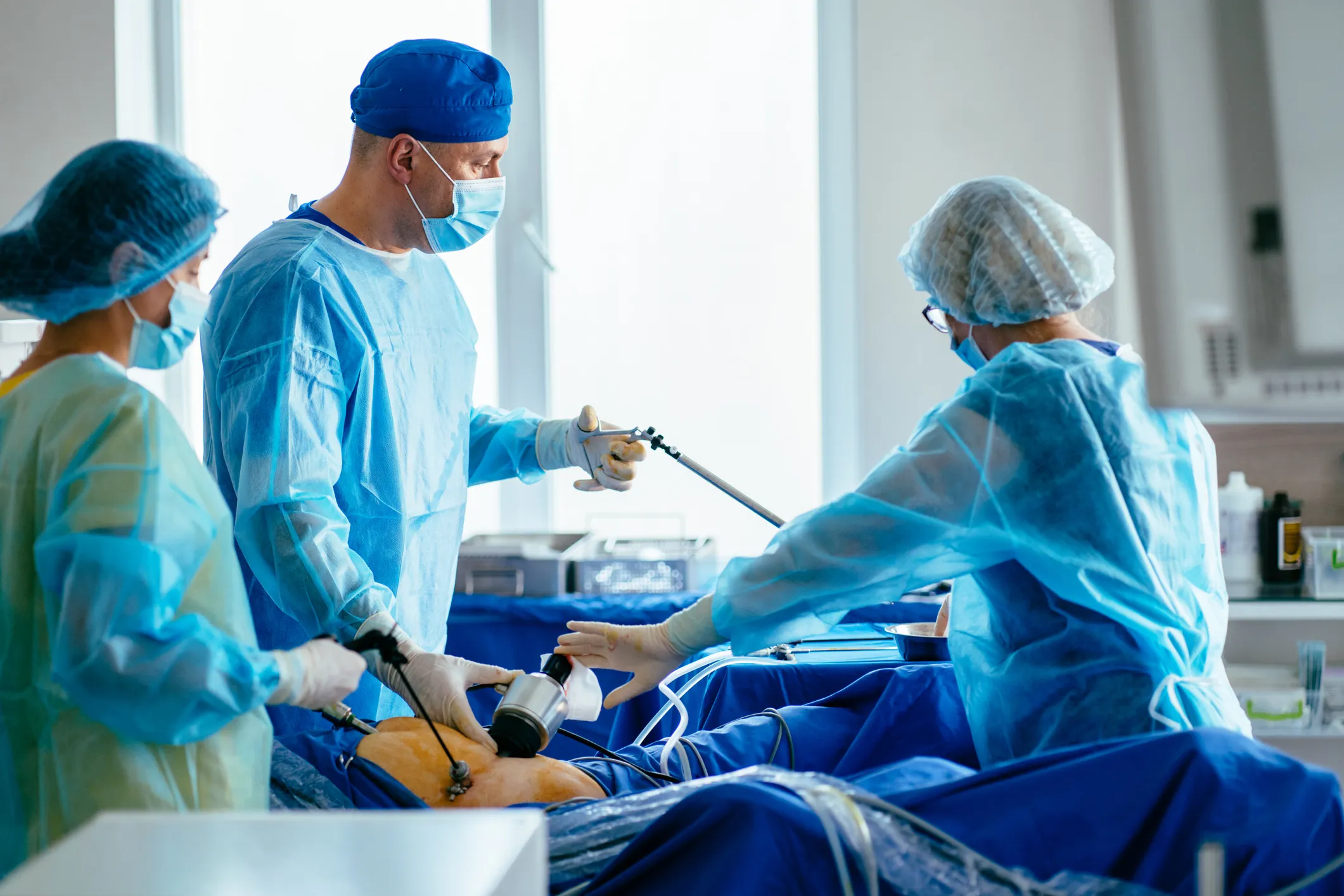
Nano Hospitals provides laparoscopic surgery in Bangalore, a surgical technique that uses small incisions and a camera to view the area being treated. Its suitability depends on the procedure and the patient’s condition.
About Laparoscopy
Laparoscopy Services at Nano Hospitals offer minimally invasive surgical procedures that allow doctors to diagnose and treat conditions inside the abdomen and pelvis using small incisions. With the help of a laparoscope a thin instrument with a camera and light surgeons can perform complex surgeries with greater precision, less pain, and faster recovery compared to traditional open surgery.
Laparoscopic procedures are widely used in general surgery, gynecology, urology, and gastrointestinal care.
Overview
Laparoscopy is a surgical technique where small incisions are made in the abdomen to insert a camera and specialized instruments. The camera projects high-definition images onto a monitor, guiding surgeons during the procedure.
At Nano Hospitals, laparoscopy is used for procedures such as gallbladder removal, appendix surgery, hernia repair, gynecological surgeries, and diagnostic evaluations of abdominal pain.
Workflow
How Laparoscopy Services Work
- Step 1: Pre-Surgical Assessment Doctors evaluate the patient through physical examination, imaging tests, and lab investigations to determine suitability for laparoscopic surgery.
- Step 2: Anesthesia and Preparation The procedure is performed under general anesthesia. The abdomen is cleaned and prepared under sterile conditions.
- Step 3: Small Incisions Tiny incisions are made to insert the laparoscope and surgical instruments.
- Step 4: Internal Visualization and Surgery Carbon dioxide gas is used to gently inflate the abdomen, creating space for clear visibility and safe surgical movement.
- Step 5: Procedure Completion and Closure After the surgery, instruments are removed, and the small incisions are closed with sutures or surgical glue.
- Step 6: Recovery Patients are monitored post-surgery and usually experience quicker recovery compared to open surgery.
Benefits & Value
For Patients
- Smaller scars and better cosmetic results
- Less post-operative pain
- Shorter hospital stay and faster return to normal activities
For Doctors
- Enhanced visualization of internal organs
- Greater surgical precision
- Ability to treat multiple conditions with minimally invasive techniques
For the Community
- Reduced surgical complications and faster recovery rates
- Access to advanced minimally invasive surgery locally
- Improved patient outcomes with modern techniques
Risks & Challenges
- Small risk of bleeding or infection
- Possible injury to internal organs or blood vessels
- Anesthesia-related risks
- May need conversion to open surgery in complex cases
Frequently Asked Questions
How long is the typical hospital stay following laparoscopic surgery at Nano Hospitals? +
Most patients undergoing laparoscopic surgery at Nano Hospitals Bangalore are discharged within 24 to 48 hours, with many minor procedures handled as daycare surgeries (same-day discharge). Reduced internal trauma, minimal blood loss, and rapid bowel function recovery significantly shorten overall hospital stay compared to open surgeries.
Are laparoscopic surgical scars large or noticeable after healing? +
No, laparoscopic surgery leaves minimal, cosmetically superior scars. At Nano Hospitals Bangalore, surgeons create 3 to 4 tiny incisions measuring just 5 to 10 millimeters. These keyhole entry points heal rapidly into faint, barely visible lines, drastically reducing scar tissue formation and wound complication risks.
Is laparoscopic surgery safe, and what safety protocols are followed? +
Yes, laparoscopic surgery is exceptionally safe and widely considered the gold standard for abdominal procedures. At Nano Hospitals Bangalore, experienced laparoscopic surgeons use high-definition cameras, specialized trocar instruments, and strict sterile protocols, resulting in lower infection rates, less bleeding, and fewer surgical complications than open surgery.
Can all abdominal and pelvic surgeries be performed laparoscopically? +
While many abdominal and pelvic conditions are ideal for laparoscopy, not all surgeries can be performed keyhole. Surgeons at Nano Hospitals Bangalore evaluate each case individually; extensive scar tissue, severe acute inflammation, giant tumors, or complex bleeding may require traditional open surgery for complete safety and optimal surgical access.
How to book a laparoscopic surgery consultation at Nano Hospitals, Bangalore? +
Yes. Laparoscopy consultations and surgical evaluations at Nano Hospitals Bangalore can be scheduled by appointment through laparoscopy, by calling the hospital, or by visiting the hospital reception desk.