



8 Early Diabetes Symptoms in Young Adults
Early Symptoms
Frequent urination
This happens because excess glucose pulls water out through urine — not just “drinking more water.”
Constant thirst
Your body is trying to compensate for fluid loss caused by high blood sugar.
Unusual fatigue
Even if you eat enough, your cells are not able to use glucose properly for energy.
Blurred vision
Temporary changes in eye fluid levels can affect focus when blood sugar fluctuates.
Slow wound healing
High sugar levels affect blood circulation and the immune response.
Unexplained weight loss
Your body starts breaking down fat and muscle when it cannot use glucose.
Frequent hunger
Cells are “starving” despite eating, due to insulin resistance.
Darkened skin (neck/underarms)
A clinical sign called acanthosis nigricans is often linked to insulin resistance.
Why Young Adults Are at Higher Risk Today
This is not just about sugar intake. It’s a combination of factors:
- Long sitting hours reduce insulin sensitivity.
- Poor sleep disrupts glucose metabolism.
- Chronic stress increases cortisol, which raises blood sugar.
- Hidden sugars in packaged foods spike insulin repeatedly.
Even people with normal weight can develop early insulin resistance.
What Most Articles Don’t Tell You
Many people assume diabetes starts suddenly. In reality, it develops gradually through a stage called prediabetes, which can last for years without clear symptoms. During this phase, damage may already begin internally.
What Actually Helps
- Walking after meals improves glucose control more than occasional intense workouts.
- Reducing refined carbs has a bigger impact than simply “avoiding sugar.”
- Consistent sleep timing helps regulate insulin better than weekend recovery sleep.
- Stress control is essential, as hormones directly affect blood sugar levels.
When Should You Take It Seriously
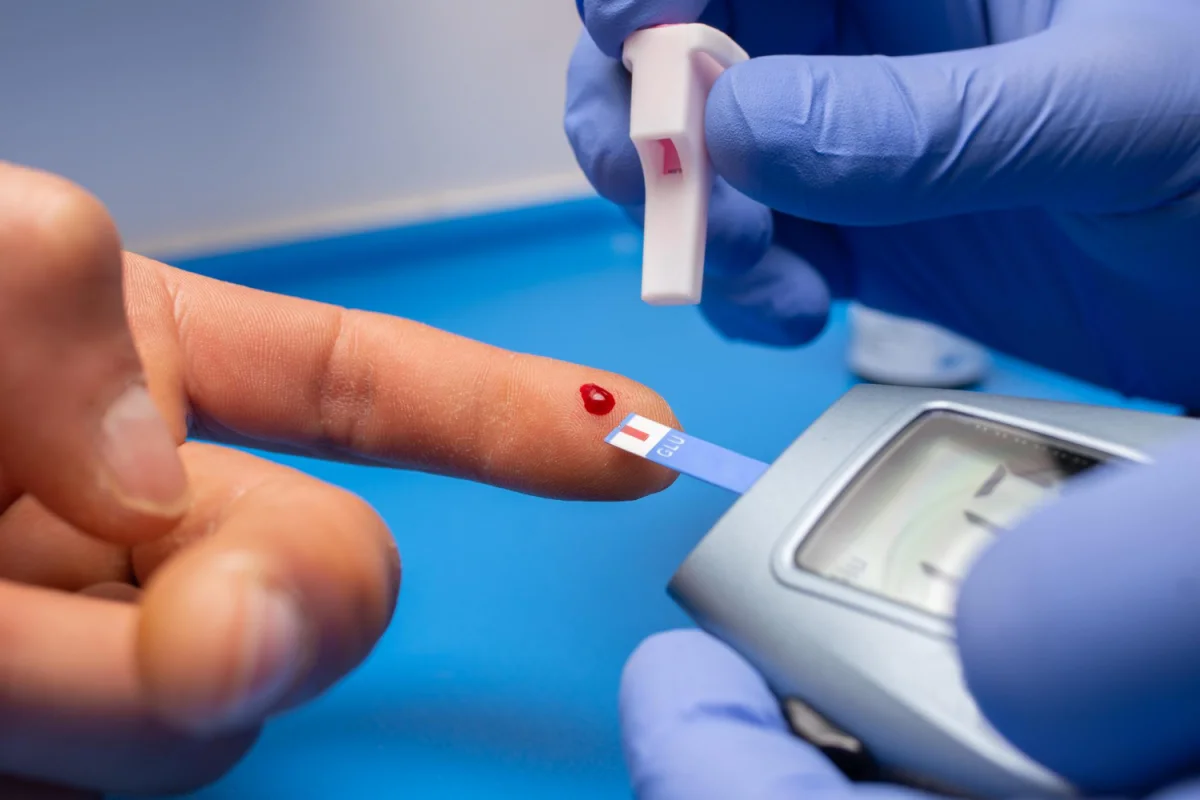
If you notice even 2–3 of these symptoms for a few weeks, it is advisable to check:
- Fasting blood sugar
- HbA1c levels