




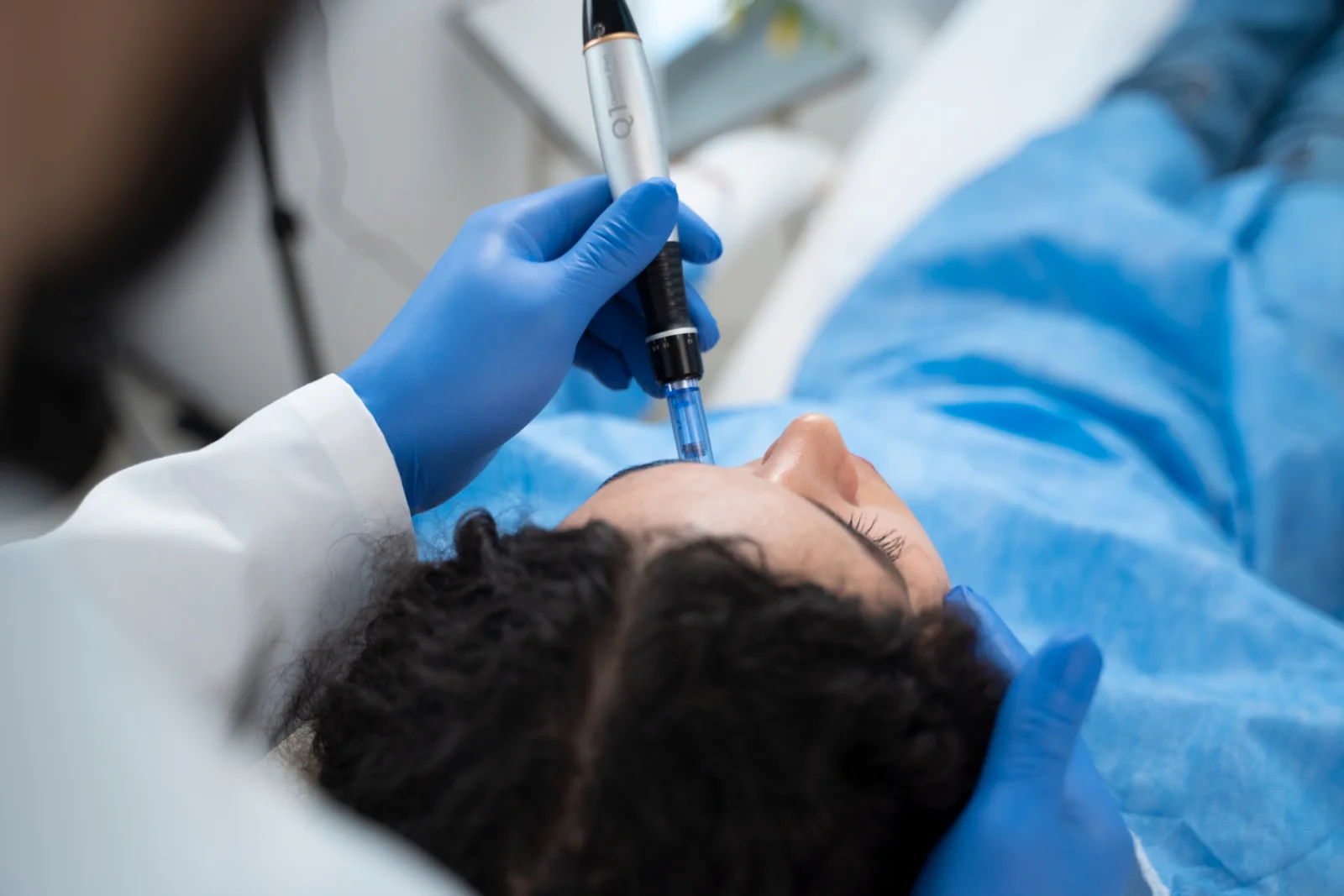
Microvascular Decompression
About Microvascular Decompression
Microvascular decompression (MVD) is a delicate neurosurgical procedure performed to relieve abnormal blood vessel pressure on cranial nerves. It is commonly used to treat trigeminal neuralgia, hemifacial spasm, and certain nerve compression syndrome...
Microvascular decompression (MVD) is a delicate neurosurgical procedure performed to relieve abnormal blood vessel pressure on cranial nerves. It is commonly used to treat trigeminal neuralgia, hemifacial spasm, and certain nerve compression syndromes. The surgery aims to preserve nerve function while eliminating painful nerve irritation.
Overview
The procedure includes: Small skull opening behind the ear Microsurgical identification of compressed nerve Separation of blood vessel from nerve Placement of protective padding material Preservation of surrounding neurological structures MVD is performed using: Operating microscopes Microsurgical instruments Advanced neuro-monitoring systems The procedure provides long-term pain relief while preserving nerve integrity.
Understanding The Procedure
Symptoms That May Require Microvascular Decompression
- ⦾ Severe facial pain
- ⦾ Facial muscle spasms
- ⦾ Nerve irritation symptoms
- ⦾ Triggered pain episodes
- ⦾ Facial sensitivity
Recovery & Outlook
Microvascular decompression provides durable symptom relief in many cranial nerve compression disorders. Long-term recovery is generally favorable with proper follow-up care.
Risks
- ⦾ Hearing loss
- ⦾ Facial weakness
- ⦾ Infection
- ⦾ CSF leakage
- ⦾ Recurrence of symptoms
Post-Operative Care
- ⦾ Attend regular neurosurgical follow-up visits
- ⦾ Monitor for dizziness or hearing changes
- ⦾ Avoid heavy physical strain temporarily
- ⦾ Continue medications as advised
- ⦾ Report neurological changes promptly
Doctors Who Perform Microvascular Decompression
Meet experienced plastic & reconstructive surgery doctors who regularly evaluate and perform microvascular decompression.

Dr Abhishek G
MBBS,MS,MCH
KMC: 105922
Consultant Plastic Surgeon
Prefer WhatsApp for Microvascular Decompression enquiries? Chat with our orthopedic team during working hours for quick assistance.