



Raynaud’s Surgical Interventions (Sympathectomy)
About Raynaud’s Surgical Interventions (Sympathectomy)
Overview
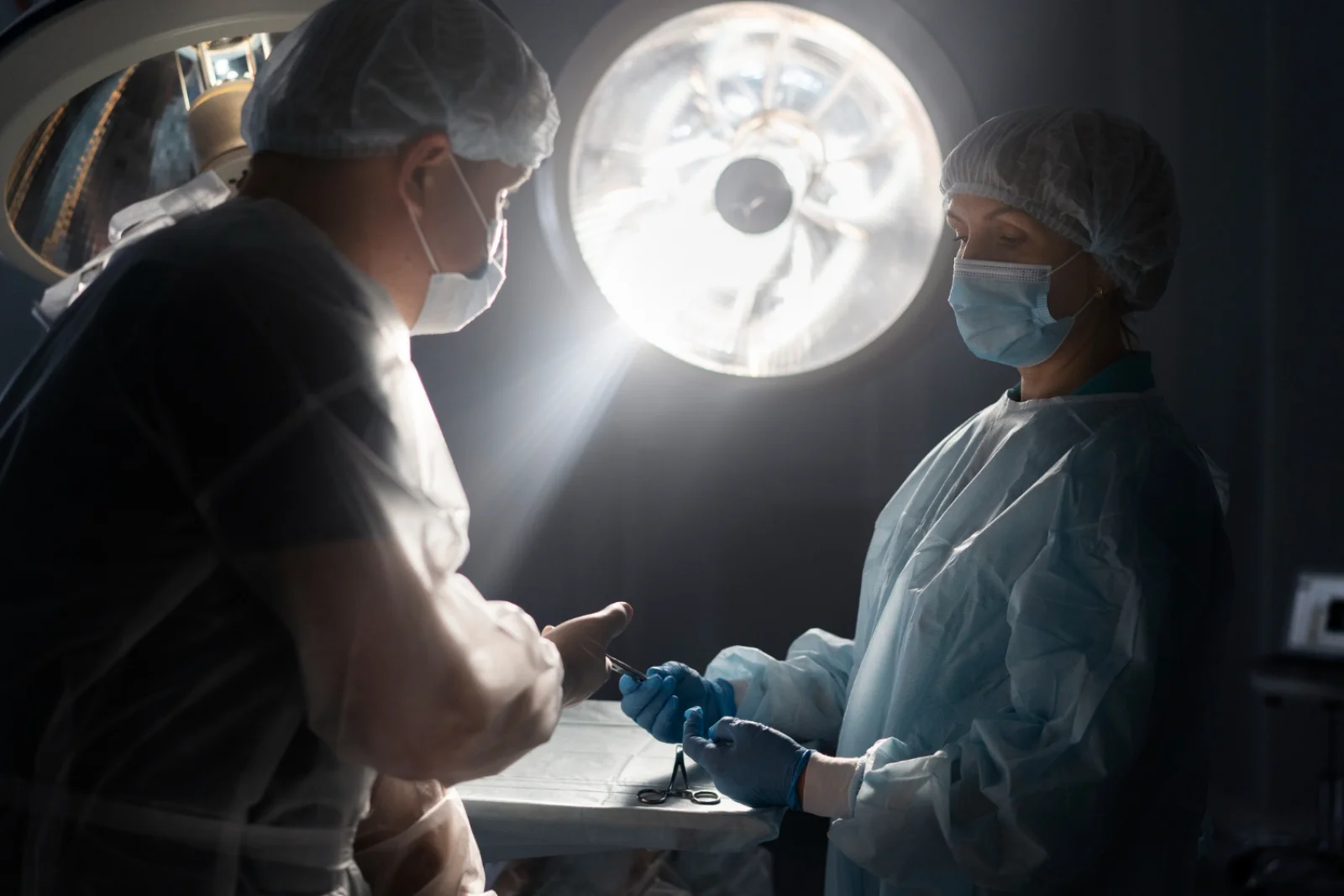
Understanding The Procedure
Symptoms That May Require Raynaud’s Surgical Interventions (Sympathectomy)
- ⦾ Finger color changes
- ⦾ Severe cold sensitivity
- ⦾ Finger pain
- ⦾ Ulcer formation
- ⦾ Numbness
- ⦾ Tissue damage in severe disease
Recovery & Outlook
Many patients experience improved circulation and reduced pain after sympathectomy, though long-term management of underlying vascular disease remains important.
Risks
- ⦾ Persistent symptoms
- ⦾ Infection
- ⦾ Nerve-related complications
- ⦾ Incomplete symptom relief
- ⦾ Recurrence of vasospasm
Post-Operative Care
- ⦾ Protect extremities from cold
- ⦾ Continue vascular medications
- ⦾ Maintain skin care
- ⦾ Avoid smoking
- ⦾ Follow-up vascular assessment
Doctors Who Perform Raynaud’s Surgical Interventions (Sympathectomy)
Meet experienced vascular surgery doctors who regularly evaluate and perform raynaud’s surgical interventions (sympathectomy).

Dr Manish Pangi
MBBS, MS, MCH, CONSULTANT CARDIOTHORACIC AND VASCULAR SERGEON
KMC: 63524
Consultant Vascular Surgeon

Dr Adarsh M S
MBBS, MS (General Surgery) DRNB(Vascular & Endo Vascular Surgery)
KMC: 103548
Consultant Vascular & Endovascular Surgeon

Dr Arun Kumar A
MBBS, MS(General Surgery), MCH(Vascular Surgery)
KMC: 107818
Consultant Vascular & Endo Vascular Surgeon
Prefer WhatsApp for Raynaud’s Surgical Interventions (Sympathectomy) enquiries? Chat with our orthopedic team during working hours for quick assistance.