



Bladder Cancer Symptoms: Early Warning Signs You Should Never Ignore
Many people dismiss urinary problems as a normal part of aging or assume they are caused by temporary infections. However, persistent changes in urinary habits can sometimes indicate a more serious underlying health condition.
One of the most overlooked diseases affecting the urinary system develops gradually and often shows subtle warning signs in its early stages. Because these symptoms are usually painless and resemble common urinary tract issues, many individuals delay seeking medical attention until the condition becomes more advanced.
Understanding the early signs, risk factors, diagnostic methods, and available treatments can help improve outcomes through timely intervention.
Understanding This Urinary Tract Disease
This condition occurs when abnormal cells begin growing uncontrollably in the lining of the urine-storing organ located in the lower abdomen.
The majority of cases start in the inner lining, known as the urothelium, and are medically referred to as urothelial carcinoma. When detected early, treatment is often highly successful. However, delayed diagnosis may allow the disease to spread to surrounding tissues and other parts of the body.
Why Early Detection Matters
Unlike many illnesses that produce noticeable symptoms from the beginning, this disease often develops quietly.
Many people:
- Ignore occasional blood in urine
- Assume symptoms are caused by infections
- Delay visiting a specialist
- Continue self-medicating without proper evaluation
As a result, diagnosis frequently occurs at a later stage when treatment becomes more complex.
Warning Signs That Should Never Be Ignored
Blood in the Urine :One of the earliest and most important warning signs is the presence of blood in urine, also known as hematuria.
You may notice:
- Pink-colored urine
- Red discoloration
- Rust-colored urine
- Small blood clots
Even if it happens only once and causes no discomfort, medical evaluation is essential.
2. Increased Frequency of Urination:Needing to visit the restroom more often than usual, especially during the night, may indicate an underlying urinary tract problem.Many people mistakenly attribute this symptom to aging or increased fluid intake.
3. Sudden Urgency:A frequent and intense urge to urinate, even when the bladder is not full, should not be ignored. Persistent urgency can interfere with daily activities, work schedules, travel, and sleep quality.
4. Burning While Urinating :Pain or a burning sensation during urination is commonly linked to infections. However, when symptoms persist despite treatment, additional investigations may be required.Irritation caused by abnormal tissue growth within the urinary tract can sometimes produce similar discomfort.
5. Difficulty Passing Urine:As the condition progresses, normal urine flow may become obstructed
Possible symptoms include:
- Weak stream
- Interrupted flow
- Difficulty starting urination
- Feeling of incomplete emptying
These changes warrant prompt medical attention.
6. Persistent Pelvic Discomfort:Pain or pressure in the lower abdomen and pelvic region may occur as the disease advances.Although pelvic discomfort can result from many causes, persistent symptoms should always be assessed by a healthcare professional.
7. Lower Back Pain:Unexplained pain in the lower back may sometimes occur when surrounding tissues become affected.Many individuals mistake this symptom for muscle strain or routine age-related discomfort.
Who Is More Likely to Develop This Condition?
Several factors can increase risk.
Smoking:Tobacco use remains the most significant risk factor.Harmful chemicals enter the bloodstream, pass through the kidneys, and concentrate in urine, exposing the urinary tract lining to toxins over time.
Age:Most cases are diagnosed after the age of 55, although younger adults can also be affected.
Occupational Exposure
People working in industries involving:
- Rubber manufacturing
- Textile production
- Paint manufacturing
- Dye processing
- Leather industries
may face higher risks due to prolonged chemical exposure.
Chronic Urinary Tract Irritation:Repeated infections, long-term catheter use, and chronic inflammation can contribute to cellular damage over time.
Family History:A genetic predisposition may slightly increase susceptibility in some individuals.
How Doctors Diagnose the Condition
Accurate diagnosis often involves a combination of tests and imaging studies.
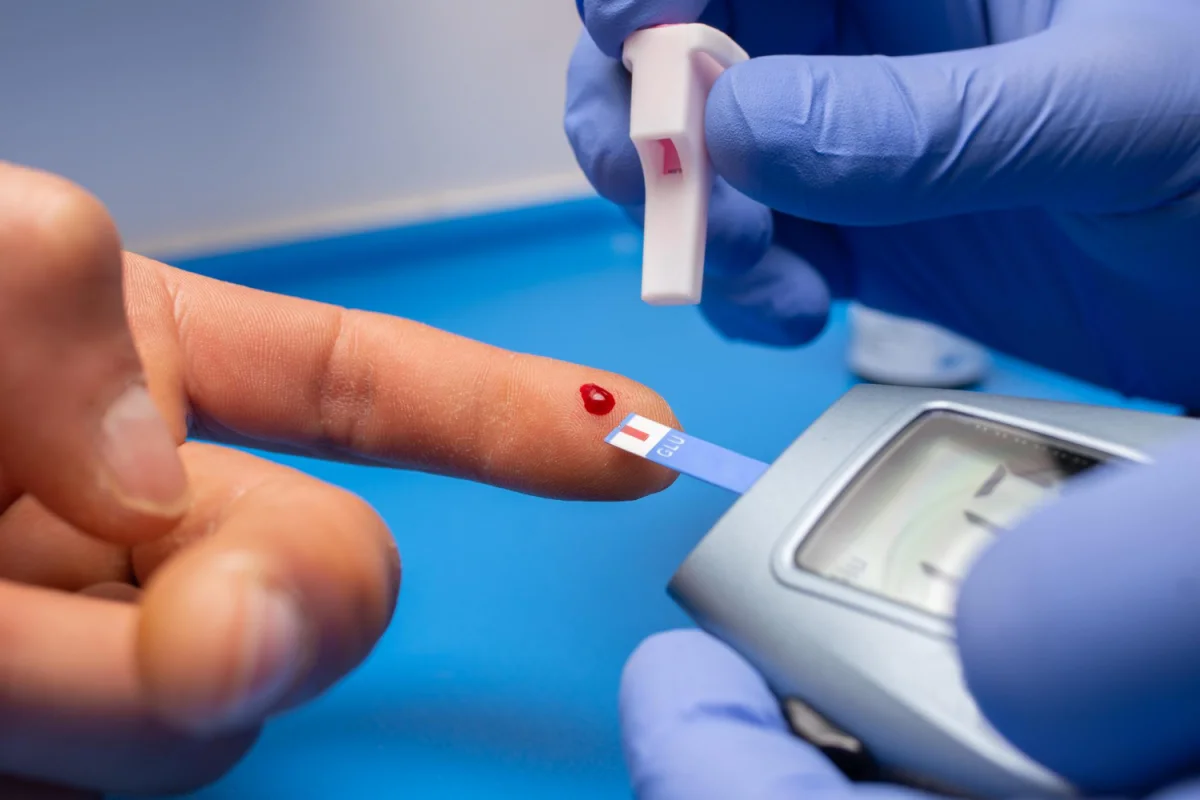
Urine Testing
Laboratory analysis helps identify:
- Blood
- Infection
- Abnormal cells
Urine Cytology:Specialists examine urine samples under a microscope to detect suspicious cellular changes.
Ultrasound:This imaging technique helps visualize abnormalities within the urinary system.
CT Scan:A CT scan provides detailed images of surrounding organs and tissues.
Cystoscopy:One of the most important diagnostic procedures involves inserting a thin camera through the urethra to examine the urinary tract lining directly.
Biopsy:If suspicious tissue is found, a sample may be collected for laboratory analysis to confirm the diagnosis.
Available Treatment Options:Treatment depends on the stage, size of the growth, and overall patient health.
TURBT Procedure:Transurethral Resection of Bladder Tumor (TURBT) is commonly used for early-stage disease and allows removal of abnormal growths without external incisions.
Intravesical Therapy:Medication is delivered directly into the urinary organ to reduce recurrence and eliminate remaining abnormal cells.
Surgical Management:In advanced cases, surgery may involve removal of part or all of the affected organ.
Chemotherapy:Drug-based treatment may be recommended before surgery, after surgery, or for advanced disease.
Radiation Therapy:Targeted radiation helps destroy abnormal cells while preserving surrounding tissues.
Immunotherapy:Modern immunotherapy treatments help the body's immune system recognize and attack abnormal cells more effectively.
Prevention Tips
While not every case can be prevented, several lifestyle changes may reduce risk:
- Quit smoking
- Stay adequately hydrated
- Follow workplace safety guidelines
- Eat a diet rich in fruits and vegetables
- Schedule regular health check-ups
- Seek medical advice for persistent urinary symptoms
Many serious urinary tract conditions begin with subtle warning signs that are easy to ignore. blood in urine, increased urinary frequency, urgency, burning sensations, and changes in urine flow should never be dismissed as normal aging.