




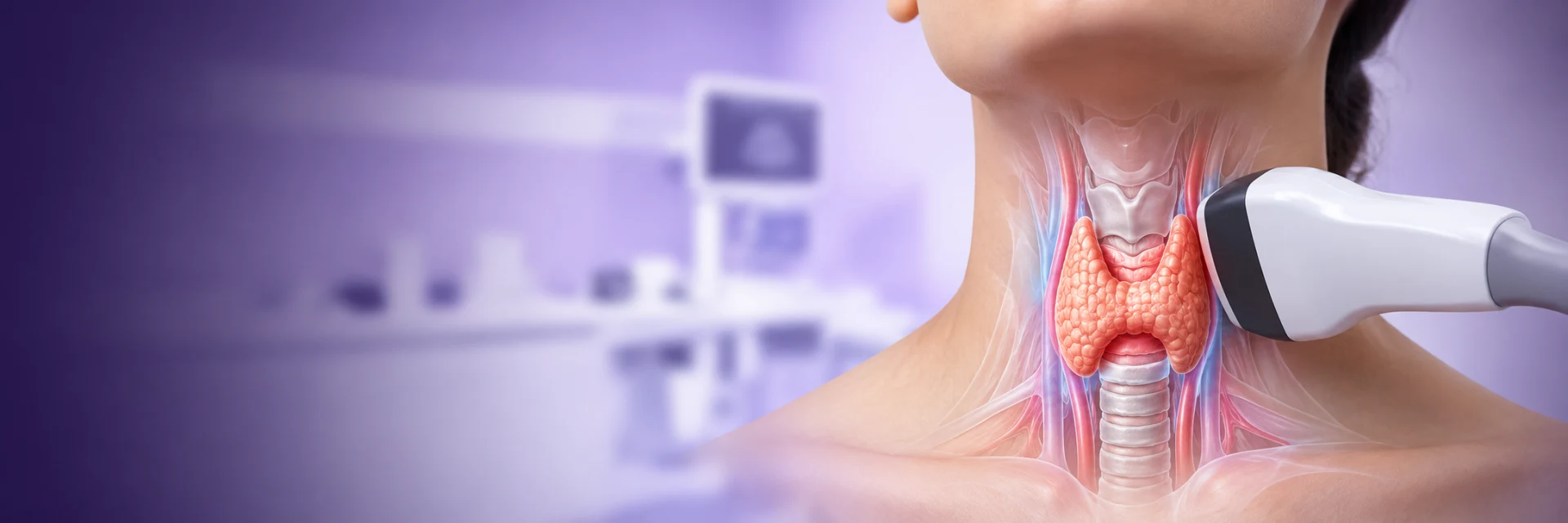
Thyroid Disorders
Nano Hospitals' endocrinology team in Bangalore treats thyroid disorders including hypothyroidism, hyperthyroidism, thyroid nodules and goiter using hormone therapy, medication and radioactive iodine treatment. Care is available at both Bannerghatta Road and Uttarahalli branches.
BOOK APPOINTMENTBest Thyroid Disorders Treatment Hospital In Bangalore
Understanding Thyroid Disorders
Nano Hospitals is one of the best thyroid disorders treatment hospitals in Bangalore, providing advanced and comprehensive endocrinology care for patients suffering from hypothyroidism, hyperthyroidism, thyroid nodules, goiter, and thyroid cancer across Bengaluru. Our best team of endocrinologists, thyroid specialists, and nuclear medicine experts collaborates closely to deliver precise diagnosis and personalized treatment plans, ensuring every patient achieves optimal thyroid health and hormonal balance.
Thyroid disorders occur when the thyroid gland produces too much or too little thyroid hormone — directly affecting metabolism, energy levels, heart rate, body weight, mood, and overall health of patients across Bangalore and Bengaluru. Particularly common among women and increasingly prevalent in urban populations, thyroid disorders demand early detection and timely medical intervention for effective management. At Nano Hospitals Bangalore, we are equipped with the best state-of-the-art thyroid diagnostic and treatment infrastructure, combining advanced hormonal testing, imaging technology, and evidence-based treatment protocols to help every patient restore normal thyroid function and reclaim their quality of life.
Common Symptoms
- Fatigue and weakness
- Weight gain or weight loss
- Hair thinning or hair loss
- Sensitivity to heat or cold
Treatment Options
- Thyroid hormone replacement therapy
- Anti-thyroid medications
- Radioactive iodine therapy
- Lifestyle and dietary management
Recovery & Outlook
Thyroid disorders are usually manageable with long-term medical treatment. Regular blood tests help monitor hormone levels and adjust medication doses. With proper treatment, most patients lead normal and healthy lives. Lifestyle adjustments such as balanced nutrition and stress management may also support thyroid health. Early treatment prevents complications related to heart health and metabolism. Continuous monitoring ensures stable hormone levels.