




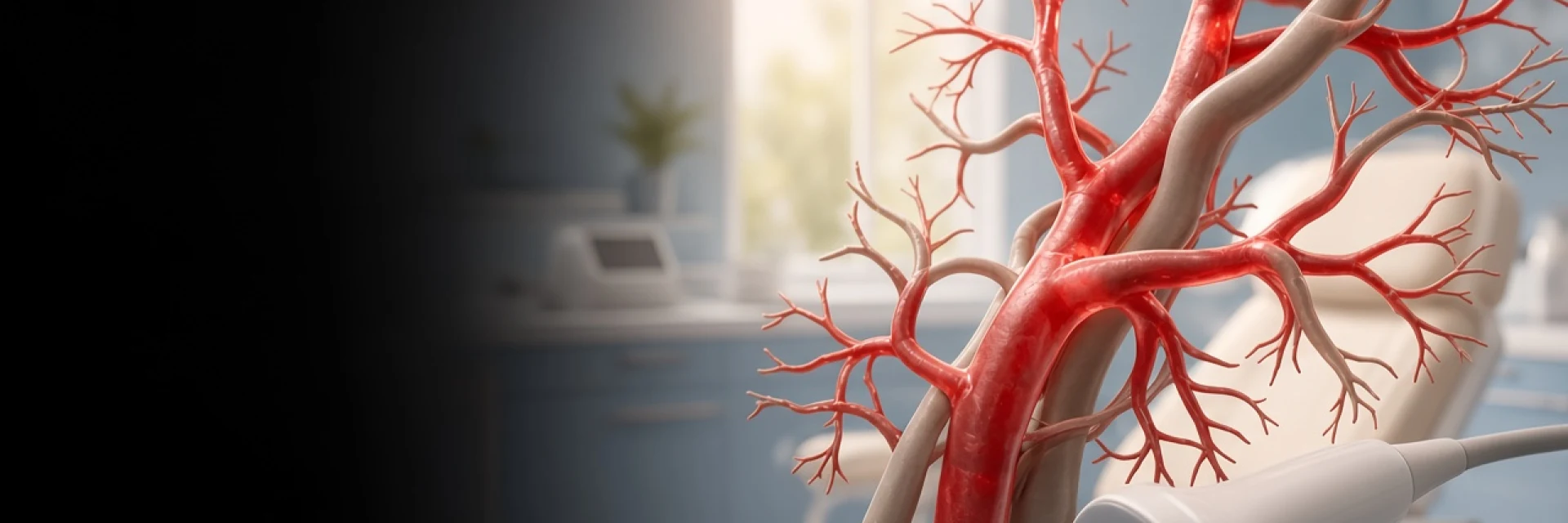
Arteriovenous Malformation (AVM)
Expert diagnosis and advanced treatment pathways for arteriovenous malformation (avm), prioritized for your recovery.
BOOK APPOINTMENTUnderstanding Arteriovenous Malformation (AVM)
Arteriovenous malformation (AVM) is an abnormal connection between arteries and veins in the brain or spinal cord, bypassing normal capillaries. AVMs can disrupt blood flow and may rupture, causing bleeding, seizures, or neurological deficits.
Introduction
Arteriovenous malformation (AVM) is an abnormal connection between arteries and veins in the brain or spinal cord, bypassing normal capillaries. AVMs can disrupt blood flow and may rupture, causing bleeding, seizures, or neurological deficits.
Common Symptoms
- Headaches or seizures
- Weakness or numbness in limbs
- Vision or speech disturbances
- Sudden brain hemorrhage symptoms
- Balance and coordination difficulties
Treatment Options
- MRI and cerebral angiography evaluation
- Microsurgical removal of AVM
- Endovascular embolization procedures
- Stereotactic radiosurgery
- Neurological monitoring and rehabilitation
Recovery & Outlook
Many AVMs can be successfully treated with modern neurosurgical techniques. Early diagnosis and treatment reduce the risk of bleeding and long-term neurological complications.
