




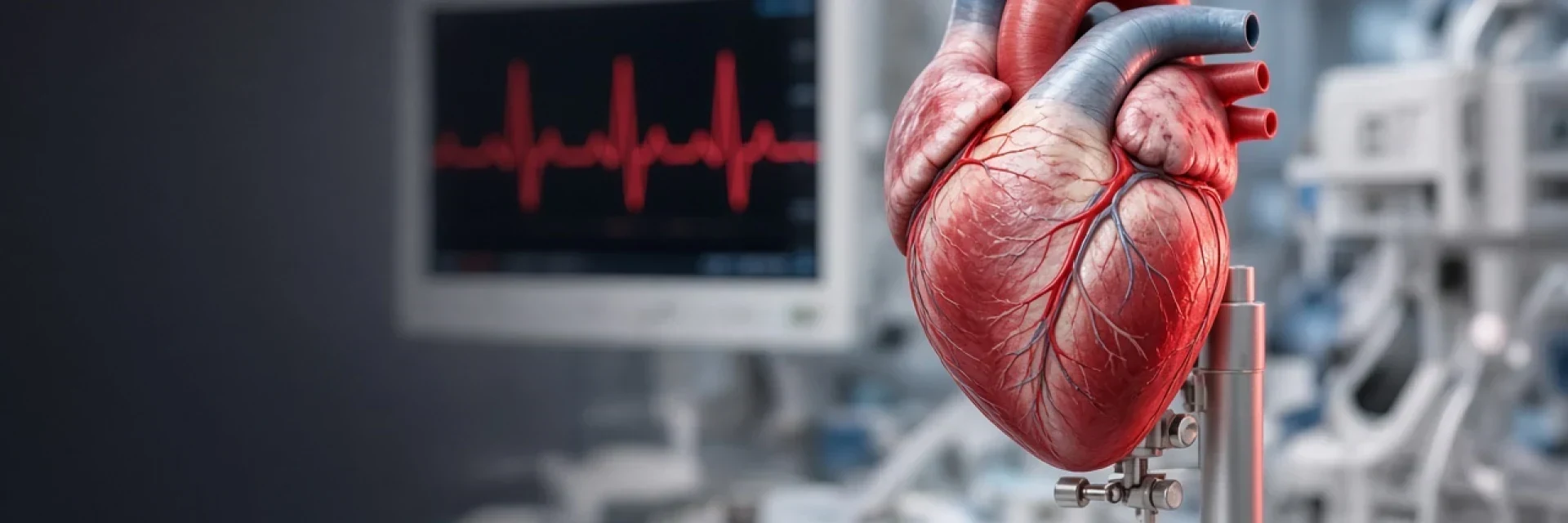
Hypertension (Primary / Secondary)
Nano Hospitals provides diagnosis and management of primary and secondary hypertension in Bangalore. Treatment is planned according to blood pressure levels, underlying causes, medical history and the patient’s overall health.
BOOK APPOINTMENTUnderstanding Hypertension (Primary / Secondary)
Hypertension is a chronic medical condition characterized by persistently elevated blood pressure levels, which can increase the risk of serious cardiovascular, kidney, brain, and metabolic complications if left untreated. Primary hypertension, also known as essential hypertension, develops gradually without a specific identifiable cause and is commonly associated with lifestyle and genetic factors. Secondary hypertension occurs due to underlying medical conditions such as kidney disease, endocrine disorders, or certain medications. Early diagnosis and long-term blood pressure management are essential to reduce complications and maintain overall health.
Introduction
Hypertension is a chronic medical condition characterized by persistently elevated blood pressure levels, which can increase the risk of serious cardiovascular, kidney, brain, and metabolic complications if left untreated. Primary hypertension, also known as essential hypertension, develops gradually without a specific identifiable cause and is commonly associated with lifestyle and genetic factors. Secondary hypertension occurs due to underlying medical conditions such as kidney disease, endocrine disorders, or certain medications. Early diagnosis and long-term blood pressure management are essential to reduce complications and maintain overall health.
Common Symptoms
- Persistent high blood pressure readings
- Headaches, dizziness, or blurred vision
- Fatigue or reduced physical endurance
- Chest discomfort or palpitations in severe cases
- Often asymptomatic and detected during routine health screening
Treatment Options
- Treatment for hypertension focuses on controlling blood pressure, preventing organ damage, reducing cardiovascular risk, and improving long-term health outcomes. Management may include lifestyle modification, low-sodium diet planning, regular physical activity, weight management, stress reduction, smoking cessation, and antihypertensive medications. Patients with secondary hypertension may require treatment of the underlying medical condition such as kidney disease or endocrine disorders. Regular blood pressure monitoring, nutritional counseling, cardiovascular evaluation, and long-term medical follow-up are important components of ongoing hypertension management.
Recovery & Outlook
The long-term outlook for hypertension is generally positive with early diagnosis and proper treatment adherence. Healthy nutrition, regular exercise, weight management, medication compliance, stress management, smoking cessation, routine blood pressure monitoring, and continuous medical follow-up significantly help reduce cardiovascular complications, preserve organ function, maintain blood pressure stability, and improve overall quality of life.
