




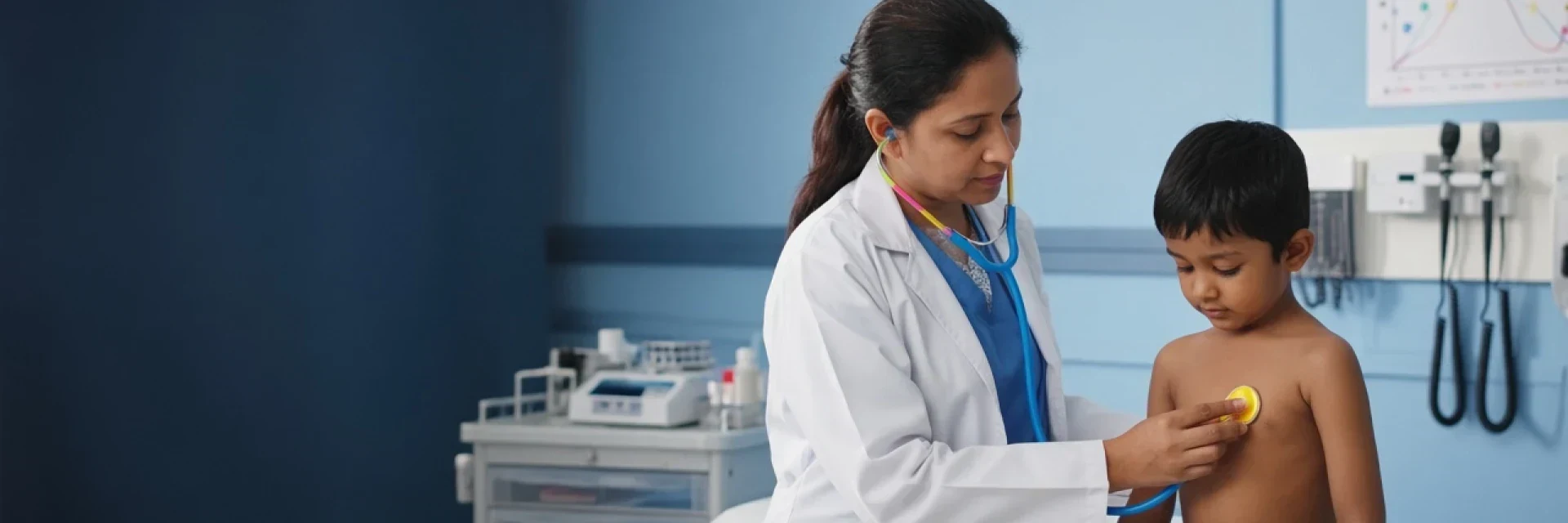
Pediatric Maxillofacial Surgery
Expert diagnosis and advanced treatment pathways for pediatric maxillofacial surgery, prioritized for your recovery.
BOOK APPOINTMENTUnderstanding Pediatric Maxillofacial Surgery
Pediatric maxillofacial surgery is a specialized surgical field focused on the diagnosis, treatment, and reconstruction of facial, jaw, oral, and craniofacial conditions in children. These procedures help correct congenital abnormalities, facial trauma, developmental deformities, infections, tumors, and functional disorders affecting facial growth, breathing, feeding, speech, and overall development.
Introduction
Pediatric maxillofacial surgery includes treatment of cleft lip and palate, craniofacial anomalies, jaw deformities, facial fractures, cysts, tumors, temporomandibular joint disorders, and congenital facial syndromes. Surgical procedures are carefully planned to support normal facial growth and minimize long-term developmental complications. Multidisciplinary care involving pediatricians, orthodontists, speech therapists, ENT specialists, anesthesiologists, and rehabilitation teams is often essential for comprehensive treatment and recovery.
Common Symptoms
- Facial asymmetry or abnormal jaw growth
- Difficulty feeding, chewing, or swallowing
- Speech difficulties or delayed oral development
- Facial swelling, pain, or congenital deformities
- Dental alignment problems or restricted jaw movement
Treatment Options
- Clinical maxillofacial examination and imaging evaluation
- Corrective jaw and craniofacial reconstructive surgery procedures
- Cleft lip and palate repair and facial trauma management
- Orthodontic treatment, speech therapy, and rehabilitation support
- Long-term multidisciplinary pediatric follow-up and developmental care
Recovery & Outlook
The long-term outlook for pediatric maxillofacial surgery is generally very positive because early diagnosis and advanced reconstructive techniques significantly improve facial growth, oral function, speech, appearance, and overall quality of life. Continuous follow-up, orthodontic management, rehabilitation therapy, and multidisciplinary support are essential for maintaining successful long-term developmental and functional outcomes. _______________ 21. Prosthetic Rehabilitation (Obturators, Facial Prostheses) Prosthetic Rehabilitation (Obturators & Facial Prostheses) Procedures