


Bronchoscopy
Nano Hospitals offers bronchoscopy in Bangalore, a minimally invasive 20-40 minute procedure that lets pulmonologists examine the airways to diagnose infections, tumors and causes of chronic cough or bleeding. Performed as a day-care procedure using high-definition video bronchoscopes, it is available at both Bannerghatta Road and Uttarahalli branches.
About Bronchoscopy
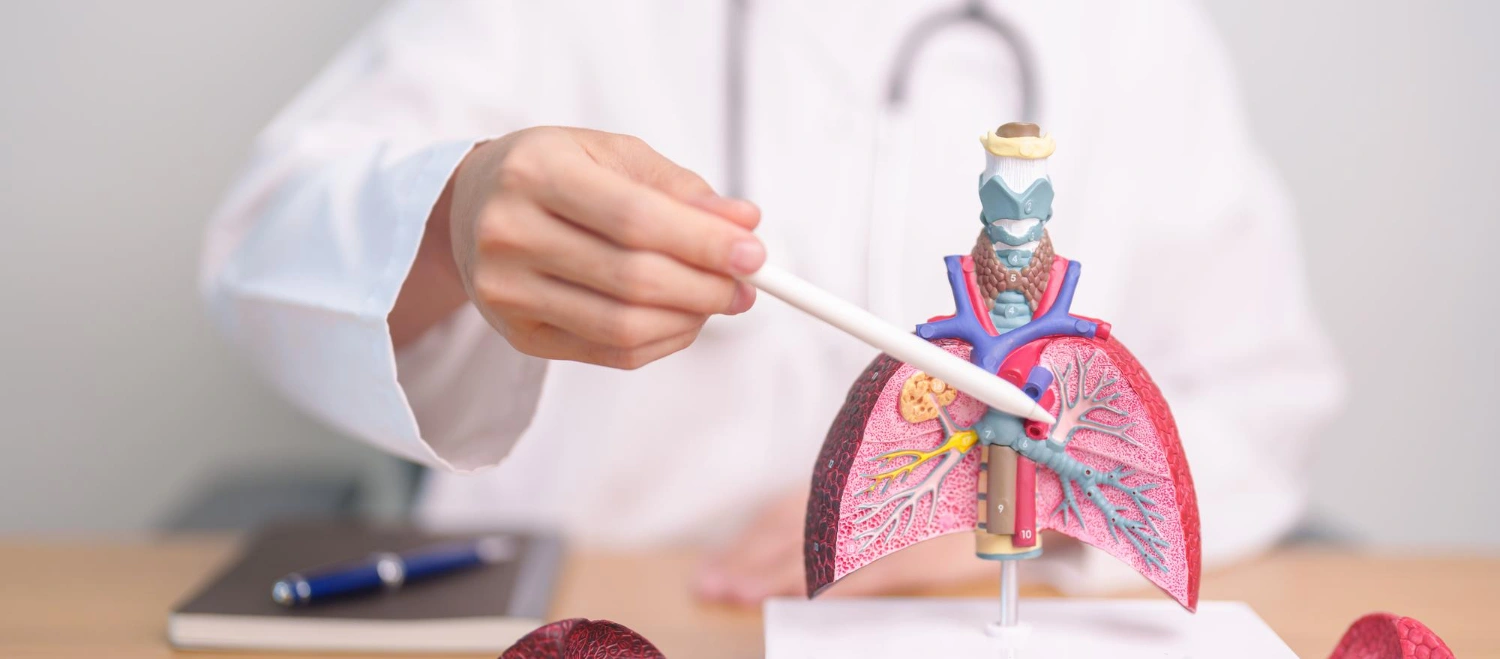
Bronchoscopy Services at Nano Hospitals are specialized diagnostic and therapeutic procedures that allow doctors to examine the airways and lungs using a thin, flexible tube called a bronchoscope. This minimally invasive technique helps identify infections, tumors, blockages, inflammation, and causes of persistent cough, bleeding, or breathing difficulty.
Bronchoscopy plays a crucial role in respiratory medicine by enabling direct visualization of the bronchial passages and supporting early diagnosis and treatment of lung conditions.
Overview
Bronchoscopy is a procedure that allows doctors to look inside the trachea and bronchi using a flexible camera-equipped scope inserted through the nose or mouth. It is commonly used to evaluate chronic cough, unexplained lung shadows on imaging, suspected infections, airway narrowing, or lung tumors.
At Nano Hospitals, bronchoscopy is performed by pulmonologists using high-definition video bronchoscopes for accurate assessment and safe intervention.
Workflow
- Step 1: Medical Evaluation A pulmonologist assesses symptoms such as persistent cough, breathlessness, coughing up blood, or abnormal chest imaging and recommends bronchoscopy.
- Step 2: Preparation and Sedation The patient is given local anesthesia to numb the throat and mild sedation for comfort. Vital signs are continuously monitored.
- Step 3: Scope Insertion The bronchoscope is gently guided through the nose or mouth into the airways for direct visualization.
- Step 4: Examination and Sampling Doctors examine the airway lining and may collect samples such as mucus, tissue biopsy, or fluid for laboratory testing.
- Step 5: Therapeutic Procedures (If Needed) In some cases, blockages can be cleared, bleeding controlled, or foreign bodies removed during the same procedure.
- Step 6: Recovery and Reporting After the procedure, patients are monitored briefly before discharge, and findings are shared with follow-up advice.
Benefits & Value
For Patients
- Early detection of lung infections, tumors, or airway blockages
- Minimally invasive diagnosis without major surgery
- Quick recovery and short hospital stay
For Doctors
- Direct visualization of airway abnormalities
- Ability to obtain biopsies and diagnostic samples
- Option to perform minor therapeutic interventions immediately
For the Community
- Improved early diagnosis of lung diseases
- Better management of chronic respiratory conditions
- Access to advanced pulmonary procedures locally
Risks & Challenges
- Temporary sore throat or cough after the procedure
- Small risk of bleeding or infection
- Rare risk of breathing difficulty during the test
- Sedation-related side effects in sensitive individuals
Frequently Asked Questions
Is a diagnostic flexible bronchoscopy procedure painful, and what anesthesia is used? +
No, a diagnostic flexible bronchoscopy is not painful because it is performed under local topical anesthesia (lidocaine spray) and light conscious sedation. The sedation keeps patients relaxed and comfortable, while the anesthetic numbs the throat and airways to prevent gagging, coughing, or significant pain throughout the procedure.
How long does a flexible bronchoscopy procedure take at Nano Hospitals, Bangalore? +
A standard diagnostic flexible bronchoscopy at Nano Hospitals Bangalore typically takes 20 to 40 minutes. However, patients should plan for approximately 2 to 3 hours total at the hospital to accommodate pre-procedure clinical evaluation, conscious sedation administration, and post-procedure monitoring in the day-care recovery room.
Is diagnostic bronchoscopy performed as a day-care procedure allowing same-day discharge? +
Yes, most diagnostic bronchoscopy procedures at Nano Hospitals Bangalore are performed on an outpatient day-care basis, allowing patients to go home the same day. Once conscious sedation wears off after 1 to 2 hours of post-procedure observation, and normal swallowing reflexes return, patients are safely discharged.
Why is a lung tissue biopsy or bronchoalveolar lavage (BAL) taken during bronchoscopy? +
A tissue biopsy, bronchial brushing, or bronchoalveolar lavage (BAL) is taken during bronchoscopy to obtain precise cellular and microbial samples from the lungs and airways. These pathological samples enable pulmonologists to diagnose unresolved pneumonia, tuberculosis, sarcoidosis, interstitial lung disease, or benign and malignant bronchial tumors.
Is flexible bronchoscopy safe, and what precautions are taken by pulmonologists at Nano Hospitals? +
Yes, flexible bronchoscopy is a safe diagnostic procedure when performed by trained interventional pulmonologists at Nano Hospitals Bangalore. Using ultra-thin high-definition video endoscopes, continuous pulse oximetry, cardiac monitoring, and sterile infection control protocols, the procedure maintains an exceptionally low risk profile for patients.
Can we book an appointment for Bronchoscopy at Nano Hospitals? +
Bronchoscopy consultations and procedures at Nano Hospitals can be booked online through bronchoscopy or by calling the hospital. Patients can also visit the hospital reception desk to schedule an appointment.