




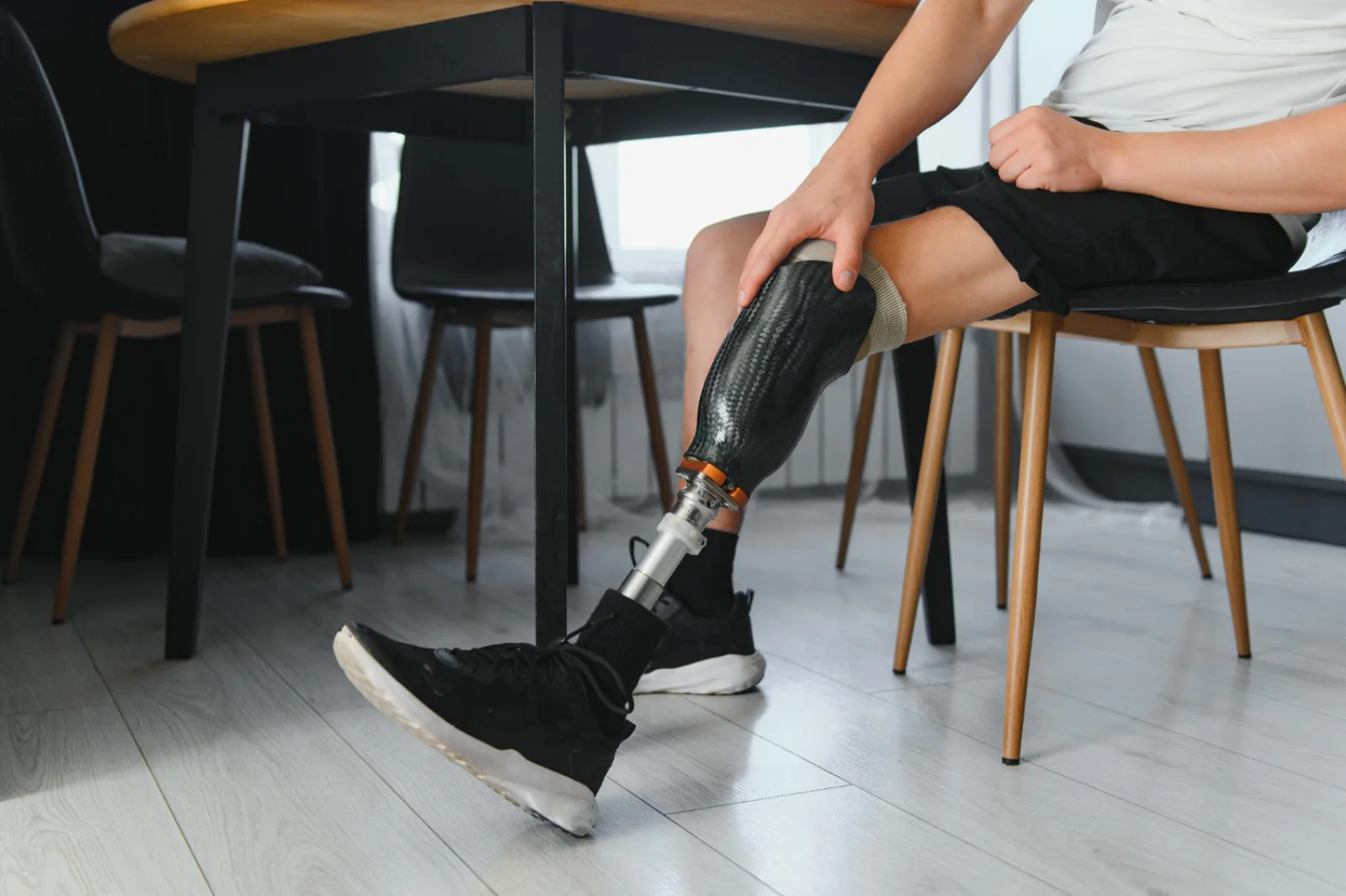
Amputation (Traumatic / Diabetic)
Nano Hospitals provides surgical care in Bangalore for severe traumatic injuries and diabetic complications that may require amputation. The treatment approach and level of amputation depend on the extent of tissue damage and the patient’s clinical condition.
About Amputation (Traumatic / Diabetic)
Amputation is a surgical procedure involving removal of a severely damaged, infected, or non-viable limb or body part. It may be required due to trauma, diabetic complications, severe infection, or poor blood circulation.
Overview
Amputation is considered when limb preservation is not possible or life-threatening infection exists. Types include: Minor amputation (toe or finger) Major amputation (below-knee or above-knee) The procedure focuses on: Removing diseased tissue Preventing infection spread Preserving maximum function Preparing for rehabilitation and prosthesis use Comprehensive rehabilitation is important after surgery.
Understanding The Procedure
Symptoms That May Require Amputation (Traumatic / Diabetic)
- ⦾ Severe limb infection
- ⦾ Gangrene or tissue death
- ⦾ Uncontrolled diabetic foot disease
- ⦾ Severe traumatic injury
- ⦾ Critical limb ischemia
Recovery & Outlook
With proper rehabilitation, prosthetic support, and medical care, many patients regain independence, mobility, and improved quality of life.
Risks
- ⦾ Bleeding or infection
- ⦾ Phantom limb pain
- ⦾ Delayed wound healing
- ⦾ Emotional and psychological distress
- ⦾ Mobility limitations
Post-Operative Care
- ⦾ Maintain stump hygiene and dressing care
- ⦾ Attend physiotherapy and rehabilitation sessions
- ⦾ Use assistive devices as recommended
- ⦾ Monitor for infection or swelling
- ⦾ Receive psychological and social support if needed
Doctors Who Perform Amputation (Traumatic / Diabetic)
Meet experienced orthopedics (bone & joint care) doctors who regularly evaluate and perform amputation (traumatic / diabetic).

Dr Naveen Kumar B M
MBBS, MS Orthopedics
KMC: 112492
Consultant Arthroplasty, Trauma, Sports Medicine ad Arthroscopy Surgeon
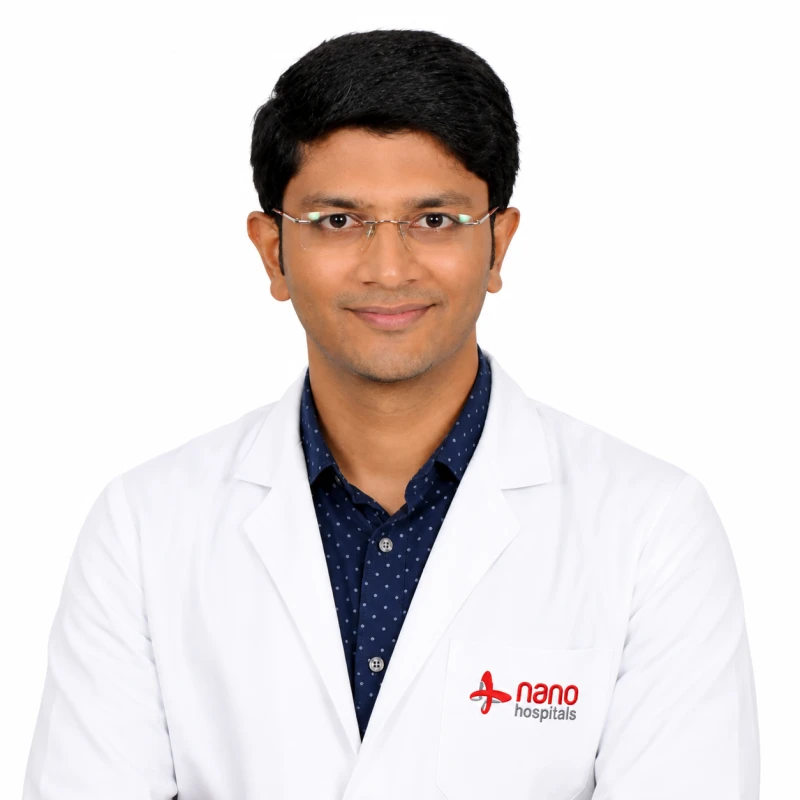
Dr Sharan Achar T
MBBS, MS Ortho, DNB, FASSI, FAO
KMC: 109282
Consultant Orthopaedic Spine Surgeon
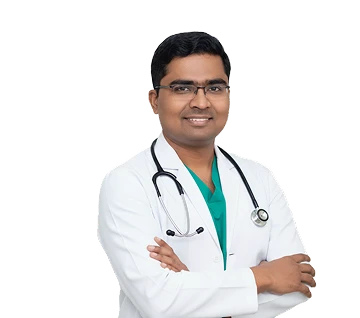
Dr Sudhindra Dharmavaram
MBBS, MD (ANAES), FFPMRCA (UK) - Orthopedics
KMC: 80575
Consultant Orthopaedics Surgeon
Prefer WhatsApp for Amputation (Traumatic / Diabetic) enquiries? Chat with our orthopedic team during working hours for quick assistance.