




Anticoagulation (Warfarin, NOACs)
Nano Hospitals provides anticoagulation therapy in Bangalore using medicines such as heparin, warfarin and NOACs. Treatment is planned according to the patient’s condition and risk of blood clots. Available at Nano Hospitals BG Road / Hulimavu and Uttarahalli.
About Anticoagulation (Warfarin, NOACs)
Anticoagulation therapy involves medications that reduce blood clot formation by interfering with the body’s clotting mechanisms. These medicines help prevent stroke, deep vein thrombosis, pulmonary embolism, and clot-related complications in heart conditions. Anticoagulation is especially important in patients with atrial fibrillation and artificial heart valves.
Overview
Common anticoagulants include: Warfarin Apixaban Rivaroxaban Dabigatran Edoxaban These medications are used for: Atrial fibrillation Venous thromboembolism Mechanical heart valves Pulmonary embolism Stroke prevention Regular monitoring may be required depending on the medication type. Treatment plans are individualized according to bleeding risk and cardiovascular condition.
Understanding The Procedure
Symptoms That May Require Anticoagulation (Warfarin, NOACs)
- ⦾ Irregular heartbeat
- ⦾ Previous stroke or clot history
- ⦾ Swelling or pain in the legs
- ⦾ Shortness of breath from pulmonary embolism
- ⦾ Heart valve replacement history
Recovery & Outlook
Proper anticoagulation therapy greatly reduces clot-related complications and improves long-term survival in patients with cardiovascular and thromboembolic disorders.
Risks
- ⦾ Increased bleeding risk
- ⦾ Nosebleeds or gum bleeding
- ⦾ Internal bleeding complications
- ⦾ Drug and food interactions
- ⦾ Need for frequent blood monitoring with warfarin
Post-Operative Care
- ⦾ Take anticoagulants consistently at the same time daily
- ⦾ Attend regular blood monitoring if advised
- ⦾ Avoid high-risk activities causing injury
- ⦾ Inform healthcare providers before procedures
- ⦾ Report bleeding or black stools immediately
Doctors Who Perform Anticoagulation (Warfarin, NOACs)
Meet experienced cardiology(heart care) doctors who regularly evaluate and perform anticoagulation (warfarin, noacs).

Dr. Nagaraja Moorthy
MBBS, MD (INTERNAL MEDICINE),DM(CARDIOLOGY)
KMC: 64485
Consultant Interventional Cardiologist
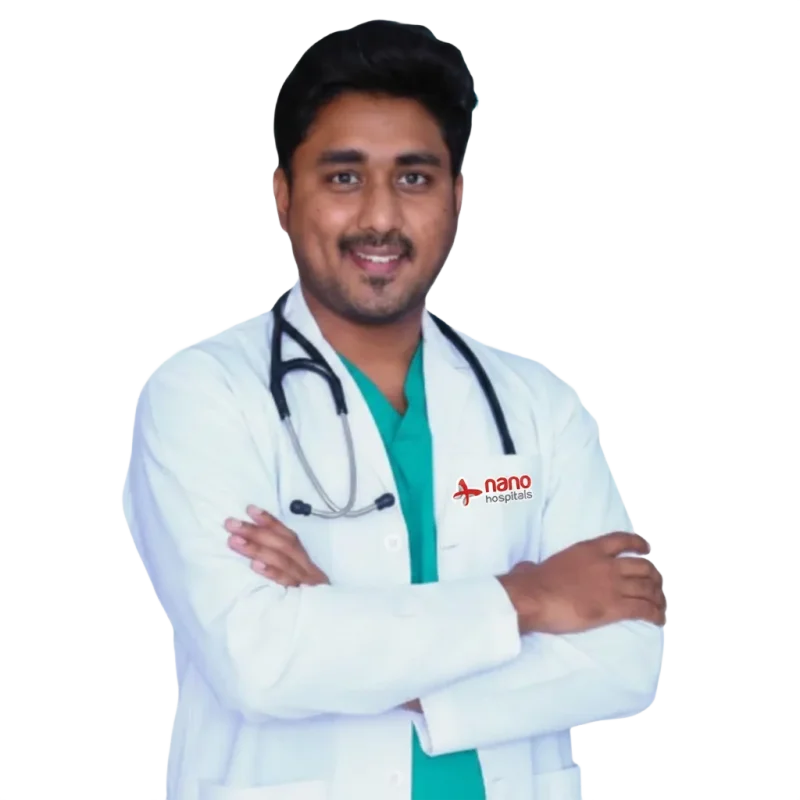
Dr Suhas Raj S
MBBS, MD - General Medicine, DM - Cardiology
KMC: 158514
Consultant Interventional Cardiologist
Prefer WhatsApp for Anticoagulation (Warfarin, NOACs) enquiries? Chat with our orthopedic team during working hours for quick assistance.