




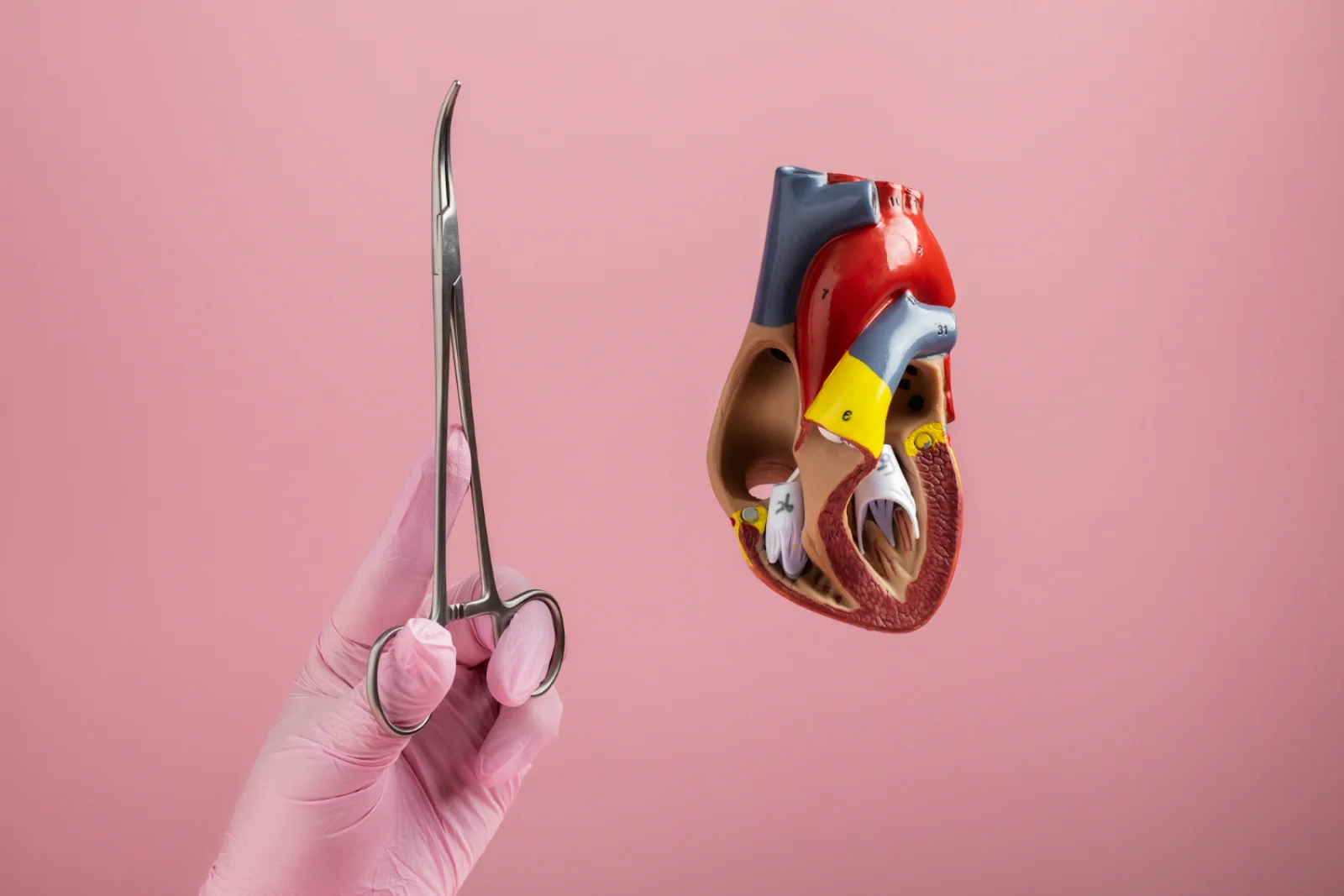
Aortic Aneurysm / Aortic Dissection
Nano Hospitals provides evaluation and treatment for aortic aneurysm and aortic dissection in Bangalore. Care is planned according to the type and severity of the condition and may include medical, endovascular or surgical treatment. Available at Nano Hospitals BG Road / Hulimavu and Uttarahalli.
About Aortic Aneurysm / Aortic Dissection
An aortic aneurysm is an abnormal enlargement of the aorta, while aortic dissection occurs when a tear develops within the aortic wall layers. Both conditions are potentially life-threatening cardiovascular emergencies. Early diagnosis and management are essential to prevent rupture and sudden death.
Overview
Risk factors include: Hypertension Smoking Genetic disorders Atherosclerosis Connective tissue disease Diagnosis may involve: CT angiography MRI Echocardiography Ultrasound imaging Treatment depends on severity and may include: Blood pressure control Emergency surgery Endovascular repair Long-term monitoring Aortic dissection requires urgent medical attention.
Understanding The Procedure
Symptoms That May Require Aortic Aneurysm / Aortic Dissection
- ⦾ Sudden severe chest or back pain
- ⦾ Shortness of breath
- ⦾ Fainting or weakness
- ⦾ Unequal blood pressure in limbs
- ⦾ Pulsating abdominal mass in some aneurysms
Recovery & Outlook
With proper treatment and monitoring, many patients achieve improved survival and reduced risk of life-threatening aortic complications.
Risks
- ⦾ Aortic rupture
- ⦾ Internal bleeding
- ⦾ Stroke
- ⦾ Organ damage from poor blood flow
- ⦾ Sudden death
Post-Operative Care
- ⦾ Control blood pressure strictly
- ⦾ Avoid heavy lifting and strain
- ⦾ Attend regular imaging follow-up
- ⦾ Take prescribed medications consistently
- ⦾ Seek emergency care for sudden pain symptoms
Doctors Who Perform Aortic Aneurysm / Aortic Dissection
Meet experienced vascular surgery doctors who regularly evaluate and perform aortic aneurysm / aortic dissection.
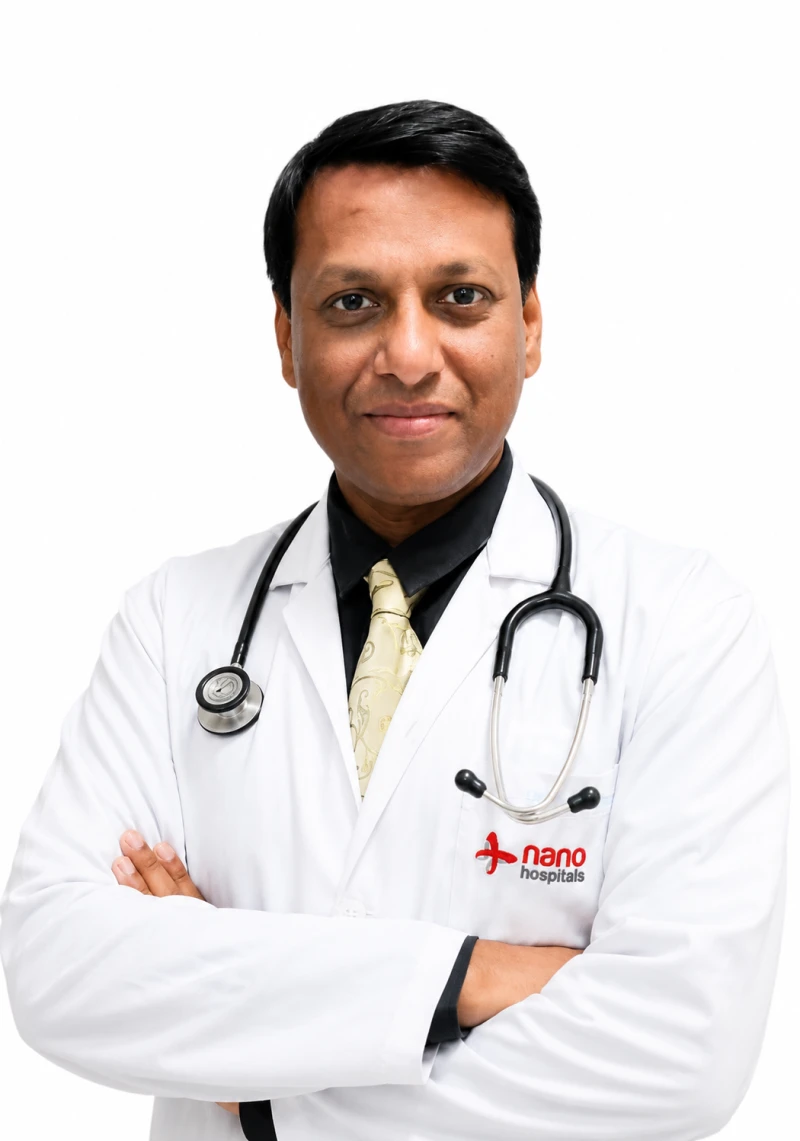
Dr Manish Pangi
MBBS, MS, MCH, CONSULTANT CARDIOTHORACIC AND VASCULAR SERGEON
KMC: 63524
Consultant Vascular Surgeon
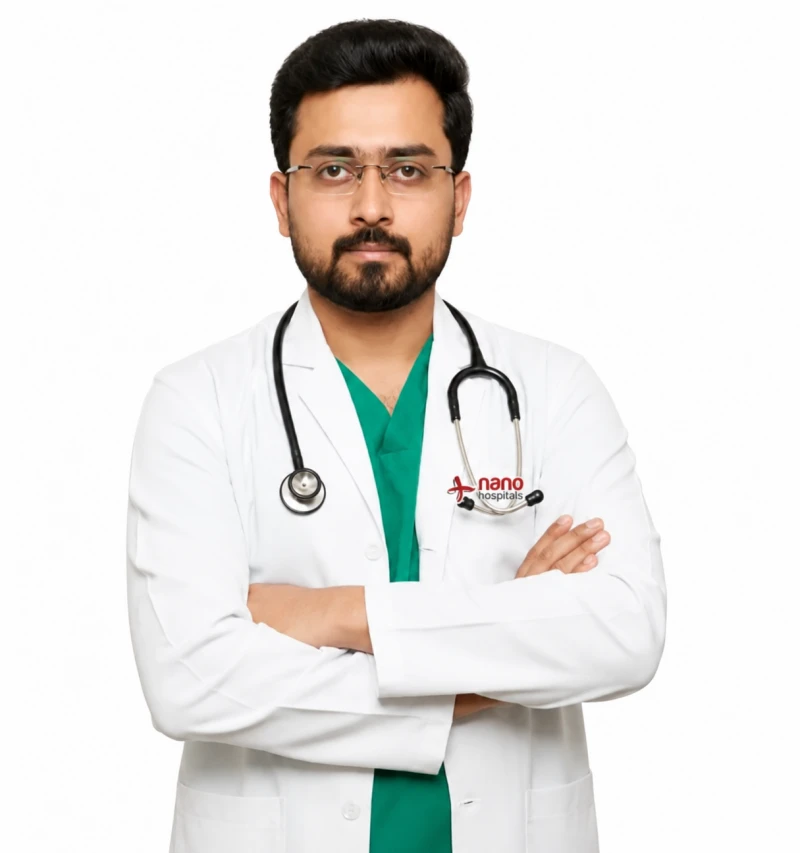
Dr Adarsh M S
MBBS, MS (General Surgery) DRNB(Vascular & Endo Vascular Surgery)
KMC: 103548
Consultant Vascular & Endovascular Surgeon
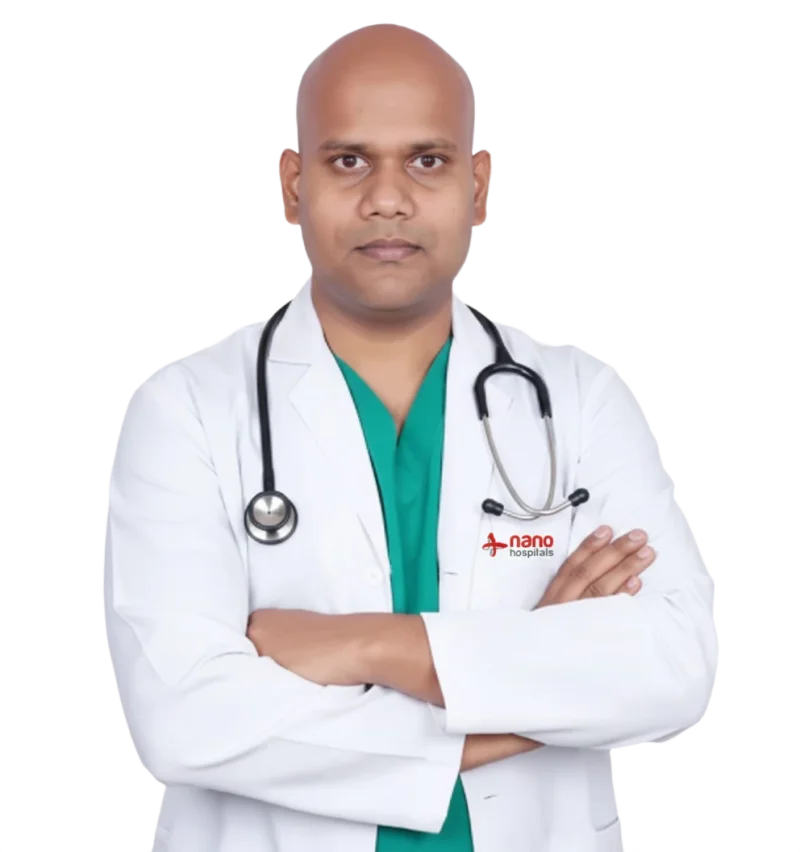
Dr Arun Kumar A
MBBS, MS(General Surgery), MCH(Vascular Surgery)
KMC: 107818
Consultant Vascular & Endo Vascular Surgeon
Prefer WhatsApp for Aortic Aneurysm / Aortic Dissection enquiries? Chat with our orthopedic team during working hours for quick assistance.