




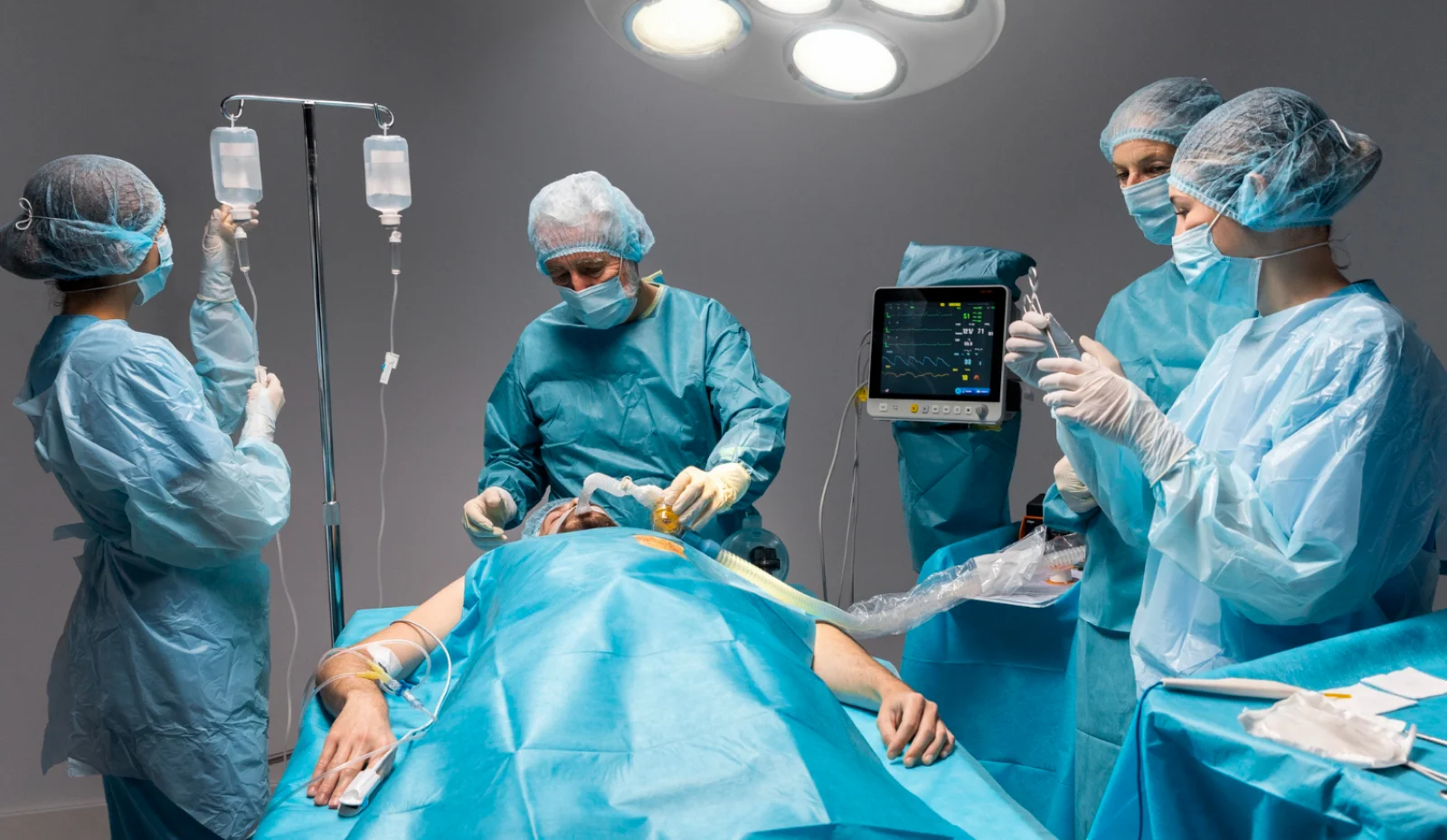
AVM Surgery
Nano Hospitals provides AVM surgery in Bangalore for selected arteriovenous malformations involving abnormal connections between arteries and veins in the brain or spinal cord. Treatment planning may include microsurgical removal, embolization or radiosurgery depending on the AVM. Available at Nano Hospitals BG Road / Hulimavu and Uttarahalli.
About AVM Surgery
AVM (Arteriovenous Malformation) surgery is a neurosurgical procedure performed to remove abnormal tangles of blood vessels connecting arteries and veins within the brain or spinal cord. AVMs can cause bleeding, seizures, headaches, and neurological deficits. Surgical treatment aims to eliminate the risk of hemorrhage and neurological complications.
Overview
The procedure may involve: Microsurgical AVM removal Craniotomy access Blood vessel isolation and disconnection Bleeding control techniques Intraoperative vascular imaging Treatment planning depends on: AVM size Location Bleeding history Neurological involvement Some patients may also require embolization or radiosurgery as part of treatment.
Understanding The Procedure
Symptoms That May Require AVM Surgery
- ⦾ Seizures
- ⦾ Sudden brain hemorrhage
- ⦾ Headaches
- ⦾ Weakness or numbness
- ⦾ Vision or speech disturbances
Recovery & Outlook
Successful AVM surgery significantly reduces the risk of future brain bleeding. Long-term outcomes depend on AVM size, location, and neurological condition before surgery.
Risks
- ⦾ Bleeding
- ⦾ Stroke
- ⦾ Seizures
- ⦾ Infection
- ⦾ Neurological deficits
Post-Operative Care
- ⦾ Attend regular imaging follow-up appointments
- ⦾ Continue seizure medications if prescribed
- ⦾ Monitor neurological symptoms carefully
- ⦾ Participate in rehabilitation if needed
- ⦾ Maintain blood pressure control
Doctors Who Perform AVM Surgery
Meet experienced neurology (brain care) doctors who regularly evaluate and perform avm surgery.
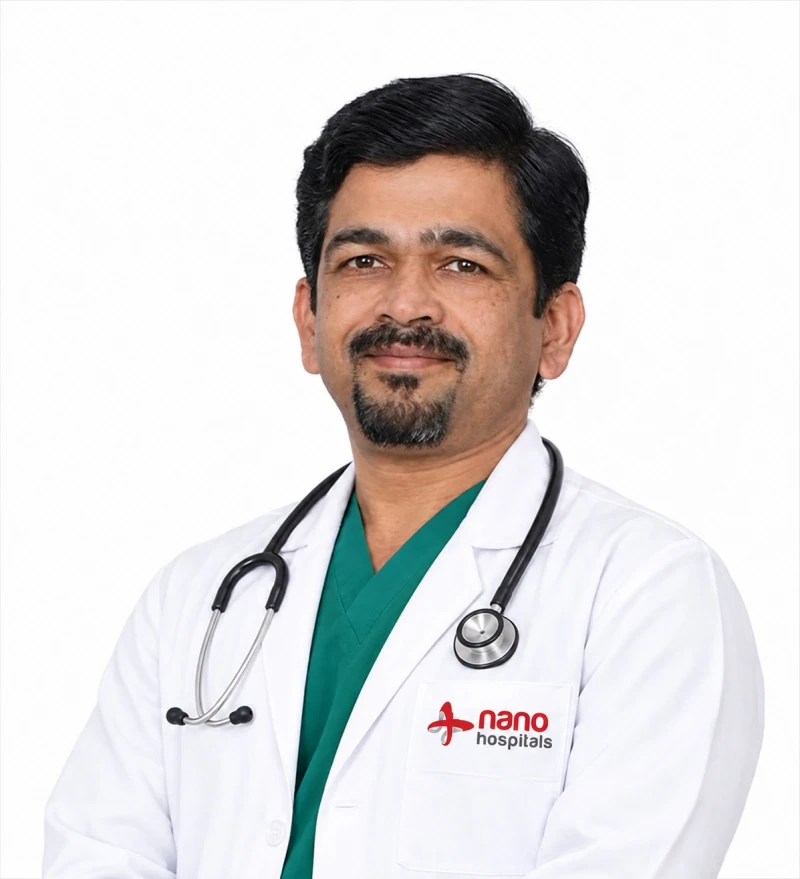
Dr Prahlad S T
MBBS, DNB - General Surgery, DNB - Neurosurgery
KMC: 79627
Consultant Brain (Neuro) & Spine Surgeon
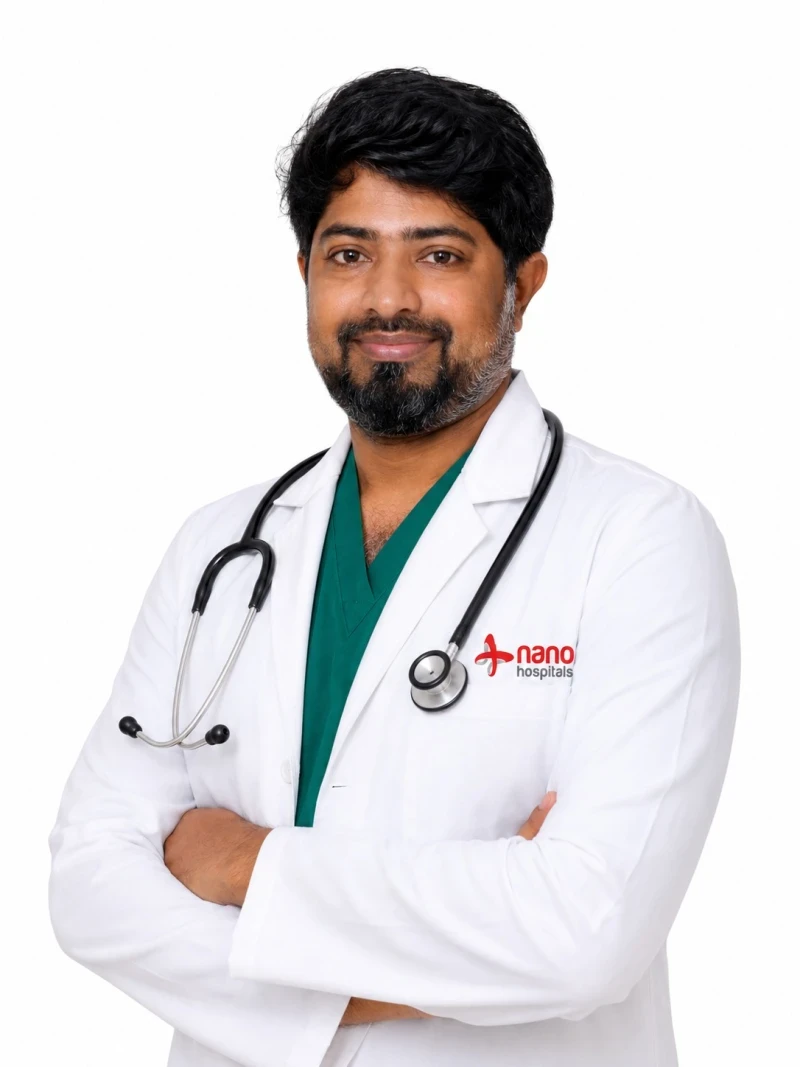
Arun Kumar M A
MBBS, MS General Surgery,DNB General Surgery,MCh Neurosurgery
KMC: 94243
Consultant Neurologist
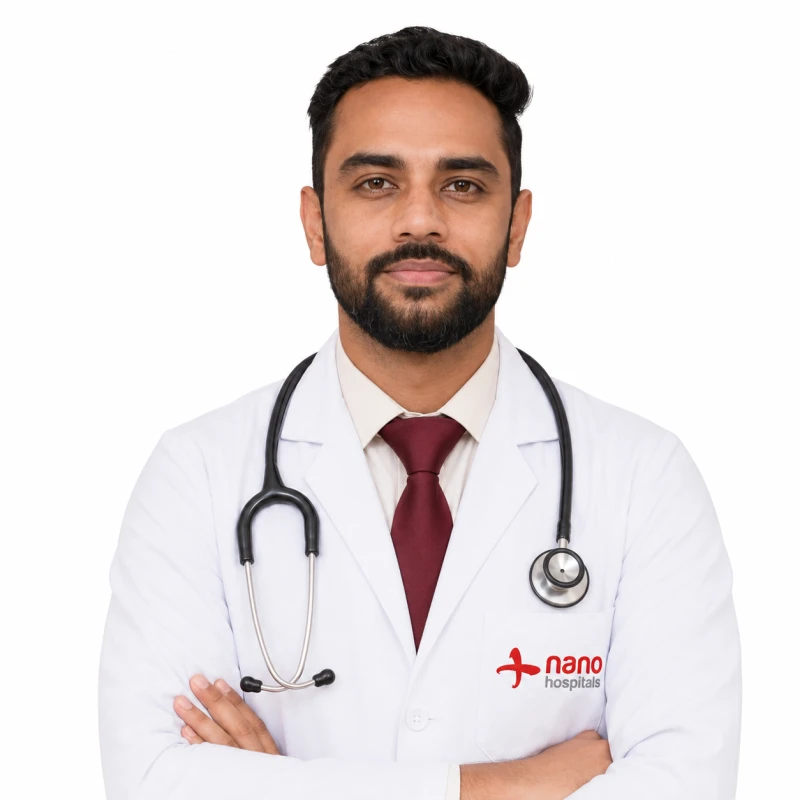
Dr Kishore R
MBBS, MD, DRNB
KMC: 109264
Consultant Neurologist
Prefer WhatsApp for AVM Surgery enquiries? Chat with our orthopedic team during working hours for quick assistance.