




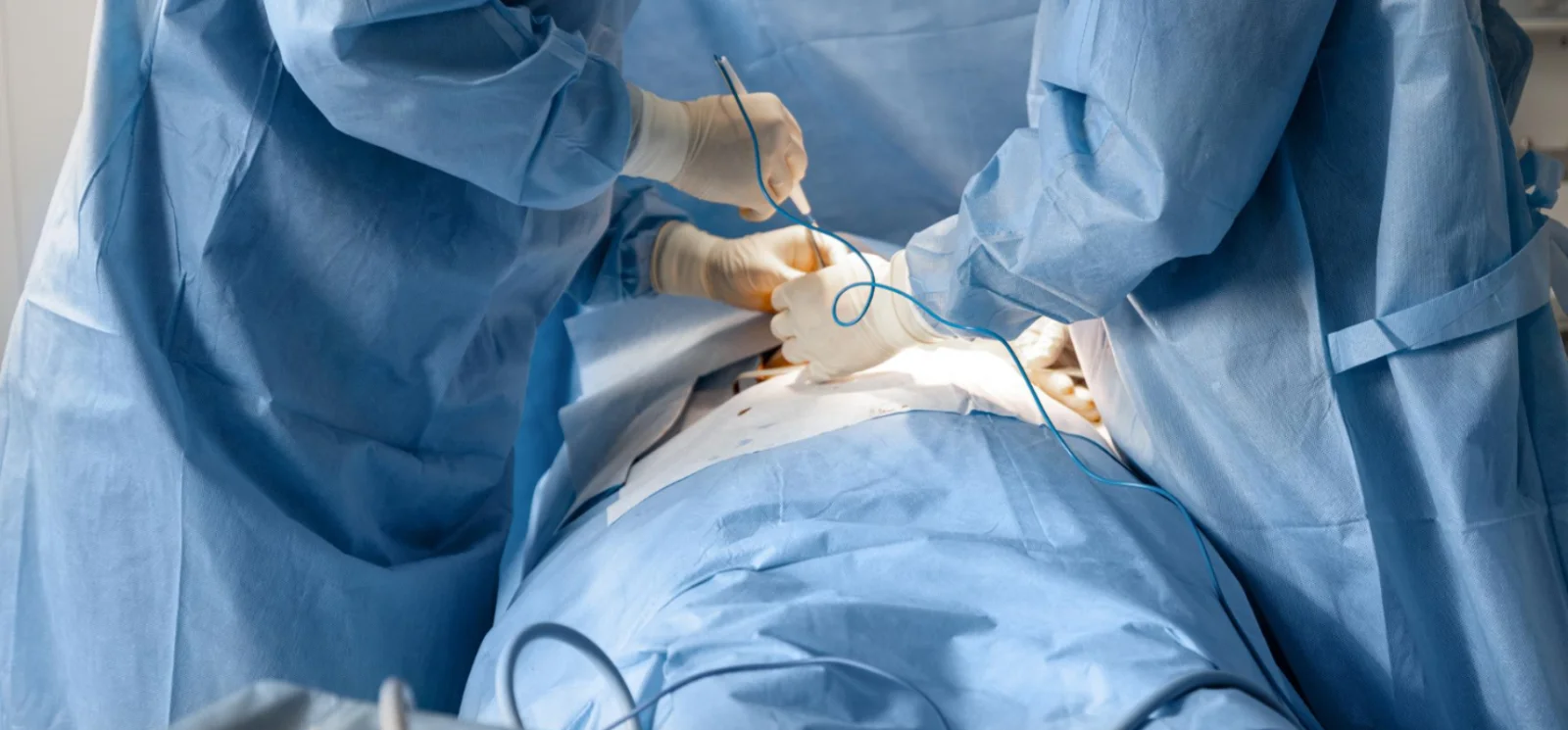
Bladder Surgery
About Bladder Surgery
Bladder surgery is a common urological procedure performed to treat bladder cancer, bladder stones, congenital abnormalities, trauma, or severe urinary dysfunction. The bladder is a hollow organ that stores urine before it is excreted. When disease or damage affects its function, surgery may be necessary to restore health and quality of life.
This article explains bladder surgery comprehensively — what bladder conditions are, symptoms, causes, risks, prevention, diagnosis, surgical procedures, recovery, complications, and long-term outlook.
Overview
The bladder can be affected by:
Bladder cancer – malignant growth in bladder lining.
Bladder stones – mineral deposits causing obstruction.
Congenital abnormalities – structural defects present at birth.
Trauma – accidents causing bladder rupture.
Neurogenic bladder – nerve damage affecting bladder control.
Understanding The Procedure
Symptoms That May Require Bladder Surgery
- ⦾ Blood in urine (hematuria)
- ⦾ Painful urination (dysuria)
- ⦾ Frequent urination or urgency
- ⦾ Difficulty emptying bladder
- ⦾ Pelvic pain
- ⦾ Incontinence (loss of bladder control)
Recovery & Outlook
Bladder surgery is highly effective. TURBT cures early-stage cancer, while cystectomy offers survival in advanced cases. Reconstruction techniques allow patients to live normal lives after bladder removal
Risks
- ⦾ Infection
- ⦾ Bleeding
- ⦾ Urinary leakage
- ⦾ Kidney damage
- ⦾ Recurrence of cancer
- ⦾ Emotional impact (body image, lifestyle changes)
Post-Operative Care
- ⦾ Pain management with medications.
- ⦾ Catheter or stoma care.
- ⦾ Balanced diet and hydration.
- ⦾ Counseling for lifestyle changes (urinary diversion).
- ⦾ Regular follow-up for cancer surveillance.
Conclusion
Bladder surgery is a vital treatment for serious bladder conditions. With modern techniques, outcomes are excellent, and patients regain health, independence, and quality of life. Proper diagnosis, surgical expertise, and rehabilitation ensure the best results.
Doctors Who Perform Bladder Surgery
Meet experienced urology doctors who regularly evaluate and perform bladder surgery .

Dr Santosh Kumar Subudhi
MBBS,MS,DNB (General Surgery)
KMC: 0000026
Consultant Urologist

Dr Dhruva H M
MBBS,MS,DNB,MCh
KMC: 117557
Consultant Urologist and Andrologist

Dr Sharath C T
MBBS, MS – General Surgery, DNB – Urology/Genito-Urinary Surgery
KMC: 95039
Consultant Urologist and Andrologist
Prefer WhatsApp for Bladder Surgery enquiries? Chat with our orthopedic team during working hours for quick assistance.
