




Coronary Angiography
About Coronary Angiography
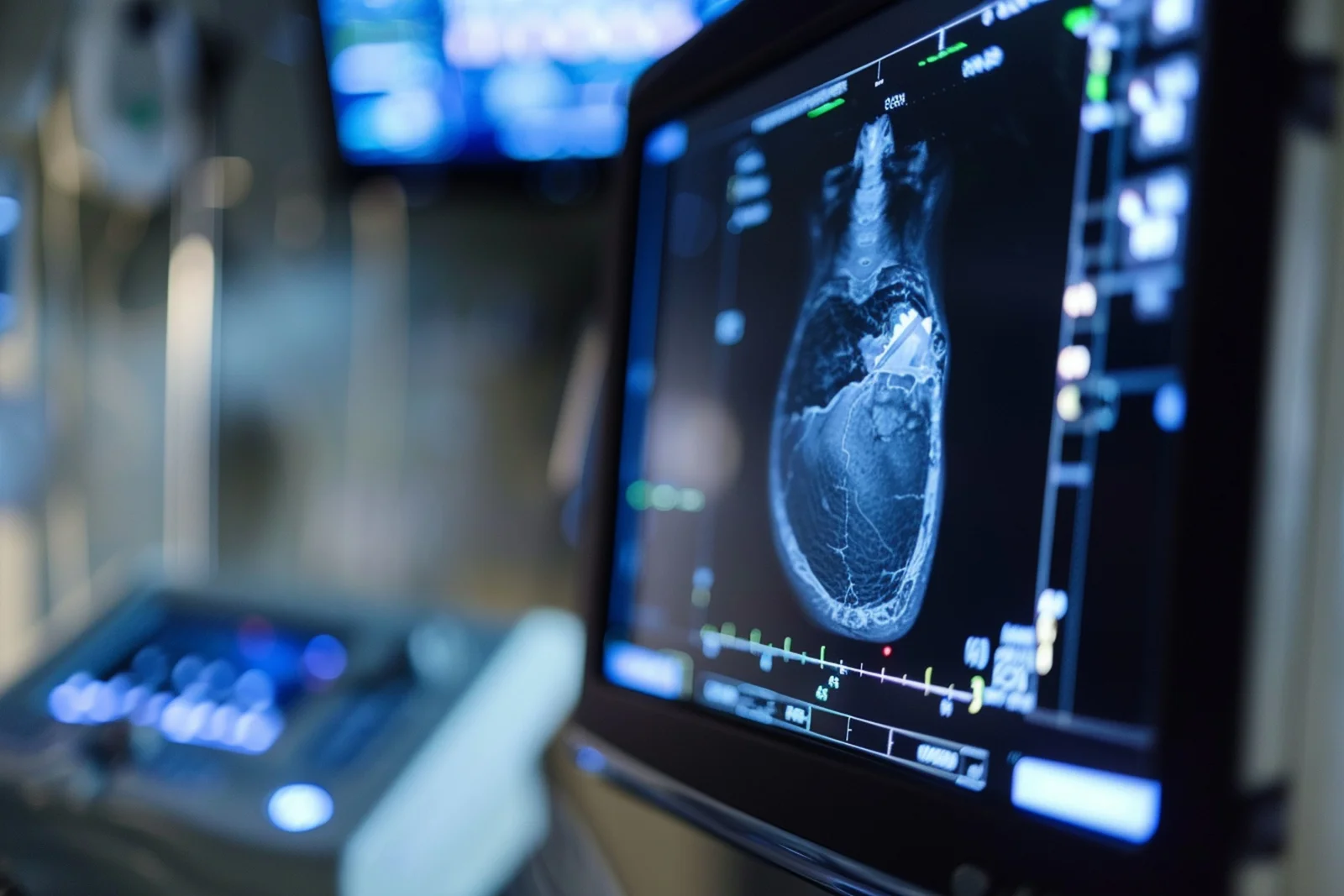
Coronary angiography is a specialized diagnostic procedure used to examine the coronary arteries that supply blood to the heart muscle. It helps doctors identify blockages, narrowing, or abnormalities in these arteries that may lead to chest pain, heart attacks, or other cardiovascular complications. The procedure involves inserting a thin catheter into a blood vessel, usually through the wrist or groin, and guiding it toward the heart. A special contrast dye is then injected, and X-ray images are taken to clearly visualize the blood flow through the coronary arteries.
Overview
This test plays a critical role in diagnosing coronary artery disease and determining the most appropriate treatment options. By accurately identifying the location and severity of arterial blockages, cardiologists can decide whether medications, angioplasty, stent placement, or bypass surgery is required. Coronary angiography is considered a safe and widely used procedure in modern cardiology.
Understanding The Procedure
Symptoms That May Require Coronary Angiography
- ⦾ Chest pain or pressure (angina)
- ⦾ Shortness of breath
- ⦾ Fatigue during physical activity
- ⦾ Irregular heartbeat
- ⦾ Abnormal stress test results
Risks
- ⦾ Bleeding or bruising at the catheter site
- ⦾ Allergic reaction to contrast dye
- ⦾ Blood vessel damage
- ⦾ Irregular heartbeat
- ⦾ Infection
Post-Operative Care
- ⦾ Keep the insertion site clean and dry.
- ⦾ Avoid heavy lifting and strenuous activity for a few days.
- ⦾ Drink plenty of fluids to flush out the contrast dye.
- ⦾ Monitor for bleeding, swelling, or redness at the catheter site.
- ⦾ Take prescribed medications as advised by the doctor.
Conclusion
Coronary angiography plays a crucial role in detecting heart disease at an early stage and preventing serious complications such as heart attacks. Once blockages are identified, doctors can begin appropriate treatment to restore healthy blood flow to the heart. Patients who follow medical advice, take prescribed medications, and adopt heart-healthy habits often experience improved heart function and quality of life.
Doctors Who Perform Coronary Angiography
Meet experienced cardiology(heart care) doctors who regularly evaluate and perform coronary angiography.

Dr. Nagaraja Moorthy
MBBS, MD (INTERNAL MEDICINE),DM(CARDIOLOGY)
KMC: 64485
Consultant Interventional Cardiologist

Dr Suhas Raj S
MBBS, MD - General Medicine, DM - Cardiology
KMC: 158514
Consultant Interventional Cardiologist
Prefer WhatsApp for Coronary Angiography enquiries? Chat with our orthopedic team during working hours for quick assistance.
