




Coronary Angioplasty
About Coronary Angioplasty
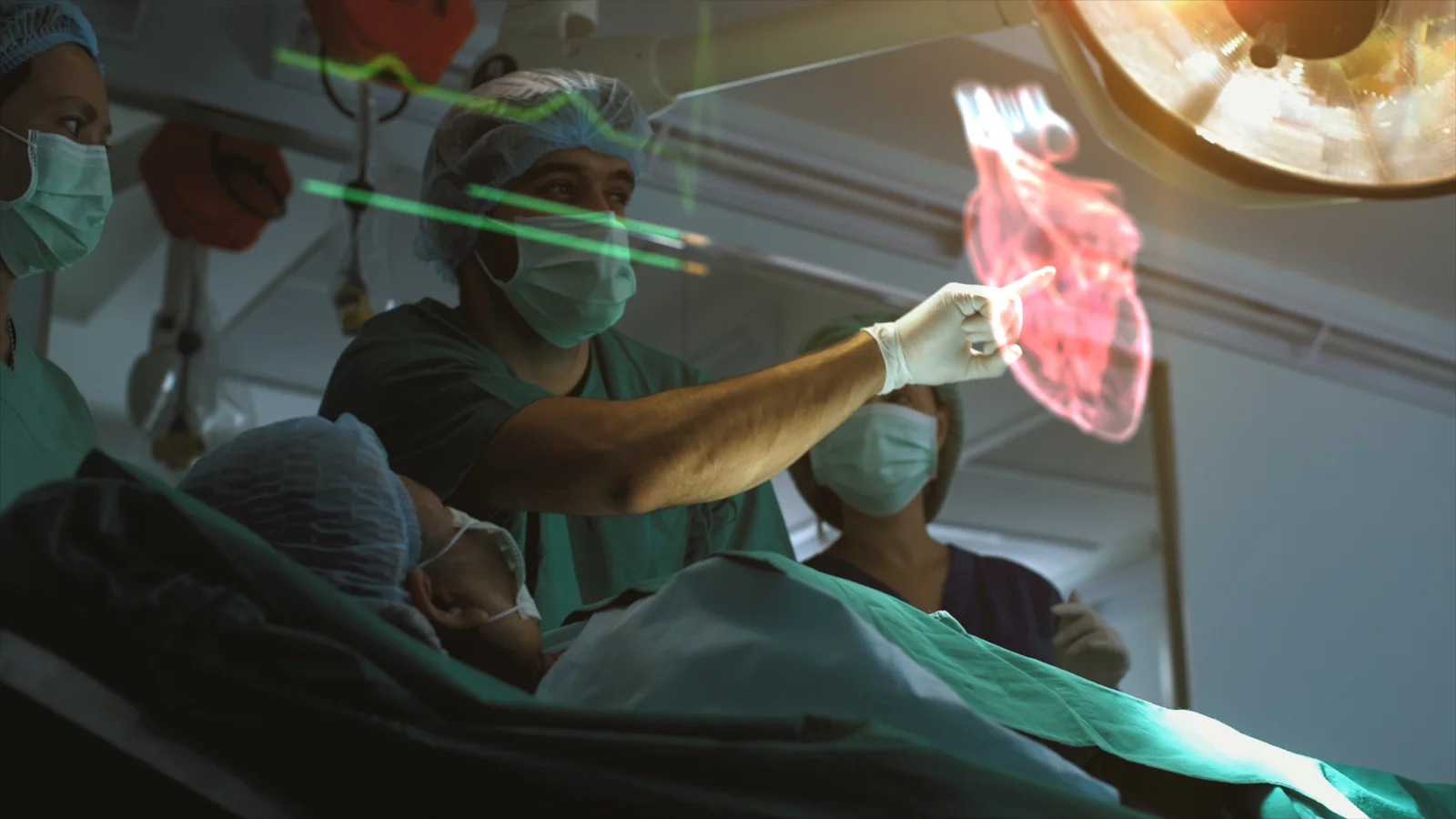
Coronary angioplasty is a minimally invasive procedure used to treat narrowed or blocked coronary arteries that restrict blood flow to the heart muscle. The procedure involves inserting a thin catheter with a small balloon at its tip into the affected artery. Once positioned at the blockage site, the balloon is inflated to widen the artery and improve blood flow. In most cases, a small mesh tube called a stent is placed inside the artery to keep it open permanently.
Overview
Angioplasty is commonly recommended for patients with coronary artery disease who experience chest pain or are at risk of heart attacks. The procedure significantly improves circulation, reduces symptoms, and prevents further complications. It is widely considered an effective treatment for restoring proper heart function.
Understanding The Procedure
Symptoms That May Require Coronary Angioplasty
- ⦾ Chest pain or pressure
- ⦾ Shortness of breath
- ⦾ Fatigue during activity
- ⦾ Heart attack symptoms
Risks
- ⦾ Blood clot formation in the stent
- ⦾ Bleeding at catheter site
- ⦾ Rare artery damage
Post-Operative Care
- ⦾ Keep the catheter insertion area clean and dry
- ⦾ Avoid heavy lifting or strenuous activity for a few days
- ⦾ Take prescribed medications (especially blood thinners) regularly
- ⦾ Drink plenty of fluids to flush out the contrast dye
- ⦾ Monitor for swelling, bleeding, or redness at the insertion site
Conclusion
Coronary angioplasty significantly improves blood flow to the heart and relieves symptoms such as chest pain and breathlessness. Most patients notice an immediate improvement in their ability to perform daily activities. Long-term success depends on following prescribed medications, particularly blood thinners, and maintaining healthy lifestyle habits.
Doctors Who Perform Coronary Angioplasty
Meet experienced cardiology(heart care) doctors who regularly evaluate and perform coronary angioplasty .

Dr. Nagaraja Moorthy
MBBS, MD (INTERNAL MEDICINE),DM(CARDIOLOGY)
KMC: 64485
Consultant Interventional Cardiologist

Dr Suhas Raj S
MBBS, MD - General Medicine, DM - Cardiology
KMC: 158514
Consultant Interventional Cardiologist
Prefer WhatsApp for Coronary Angioplasty enquiries? Chat with our orthopedic team during working hours for quick assistance.