



Craniotomy for Brain Tumors
About Craniotomy for Brain Tumors
Overview
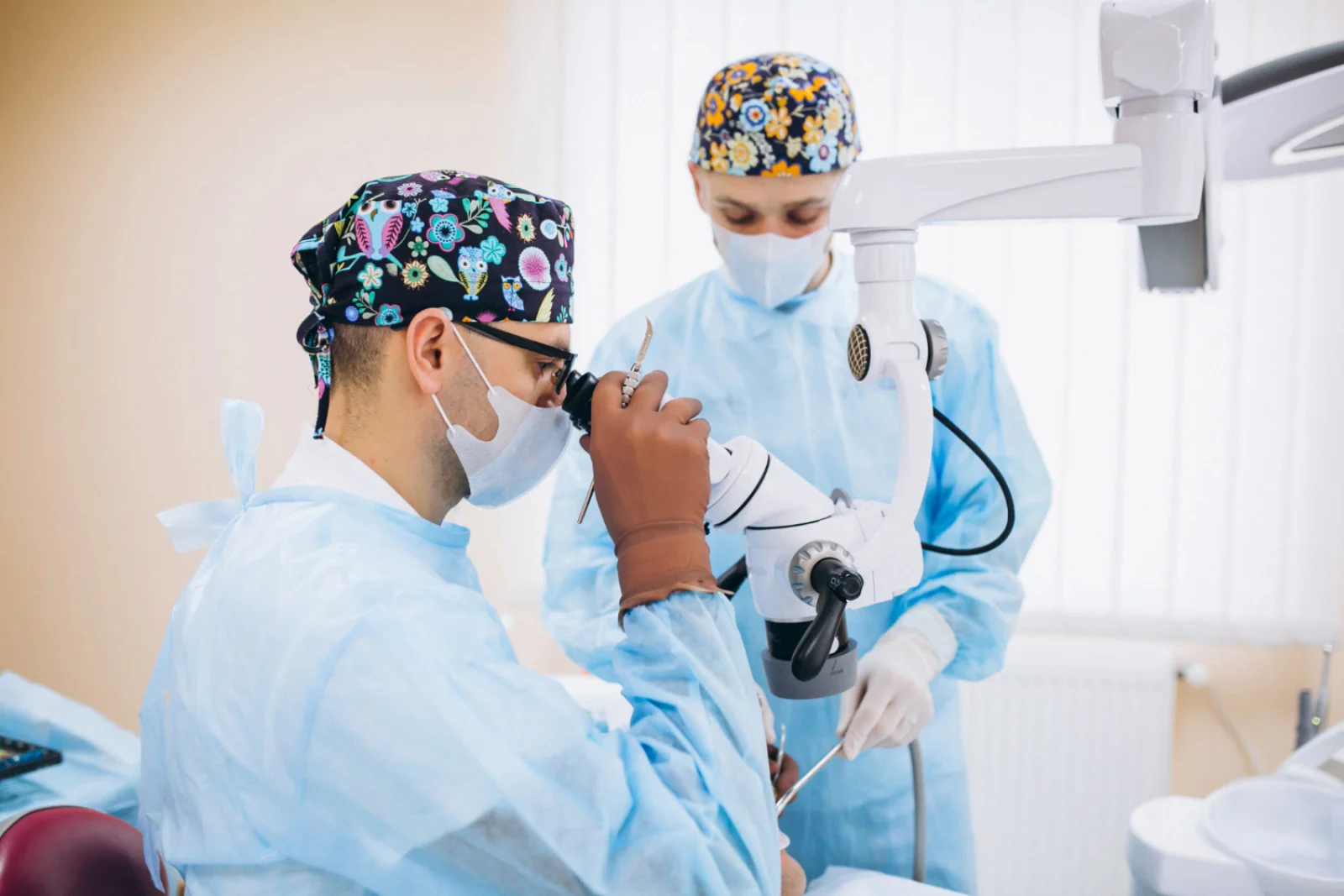
Understanding The Procedure
Symptoms That May Require Craniotomy for Brain Tumors
- ⦾ Persistent headaches
- ⦾ Seizures
- ⦾ Weakness or paralysis
- ⦾ Vision or speech problems
- ⦾ Memory or personality changes
Recovery & Outlook
Successful tumor excision can significantly improve neurological symptoms and quality of life. Long-term outcomes depend on tumor type, extent of removal, and additional treatments such as radiotherapy or chemotherapy.
Risks
- ⦾ Brain swelling
- ⦾ Infection
- ⦾ Bleeding
- ⦾ Neurological deficits
- ⦾ Seizures after surgery
Post-Operative Care
- ⦾ Intensive neurological monitoring after surgery
- ⦾ Take medications as prescribed
- ⦾ Attend imaging and follow-up evaluations
- ⦾ Participate in rehabilitation if needed
- ⦾ Monitor for fever, weakness, or seizures
Doctors Who Perform Craniotomy for Brain Tumors
Meet experienced neurology (brain care) doctors who regularly evaluate and perform craniotomy for brain tumors.
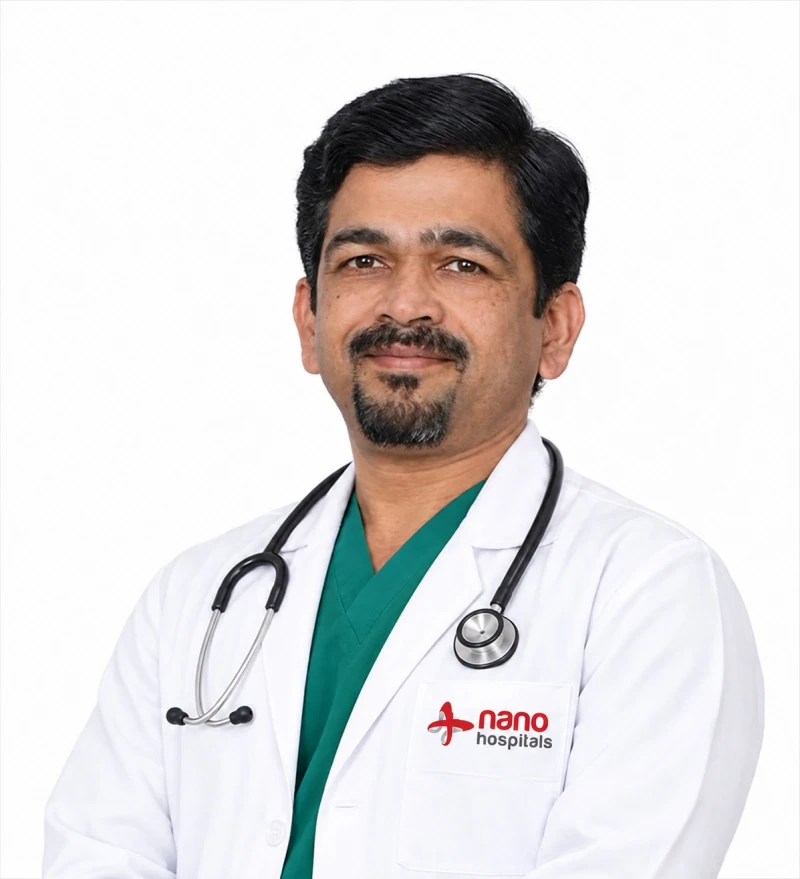
Dr Prahlad S T
MBBS, DNB - General Surgery, DNB - Neurosurgery
KMC: 79627
Consultant Brain (Neuro) & Spine Surgeon
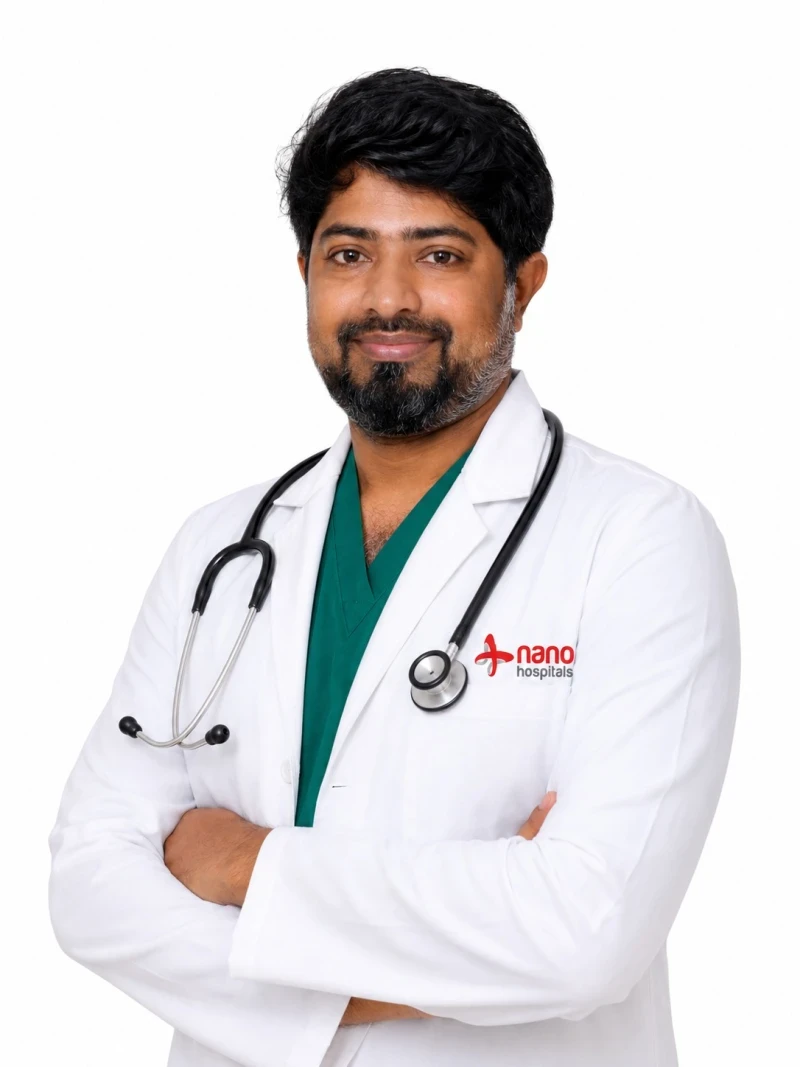
Arun Kumar M A
MBBS, MS General Surgery,DNB General Surgery,MCh Neurosurgery
KMC: 94243
Consultant Neurologist
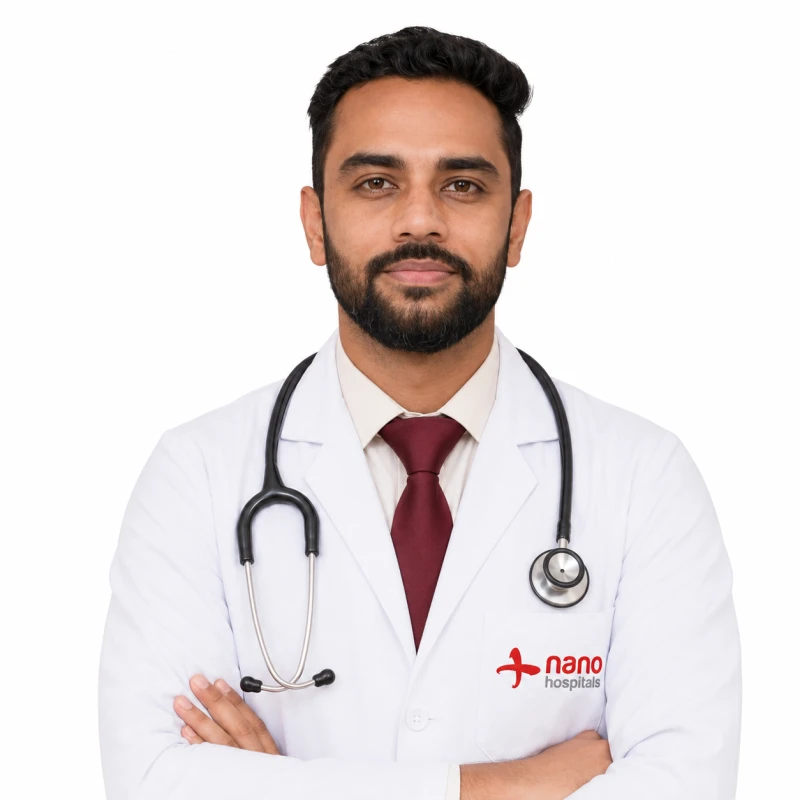
Dr Kishore R
MBBS, MD, DRNB
KMC: 109264
Consultant Neurologist
Prefer WhatsApp for Craniotomy for Brain Tumors enquiries? Chat with our orthopedic team during working hours for quick assistance.