




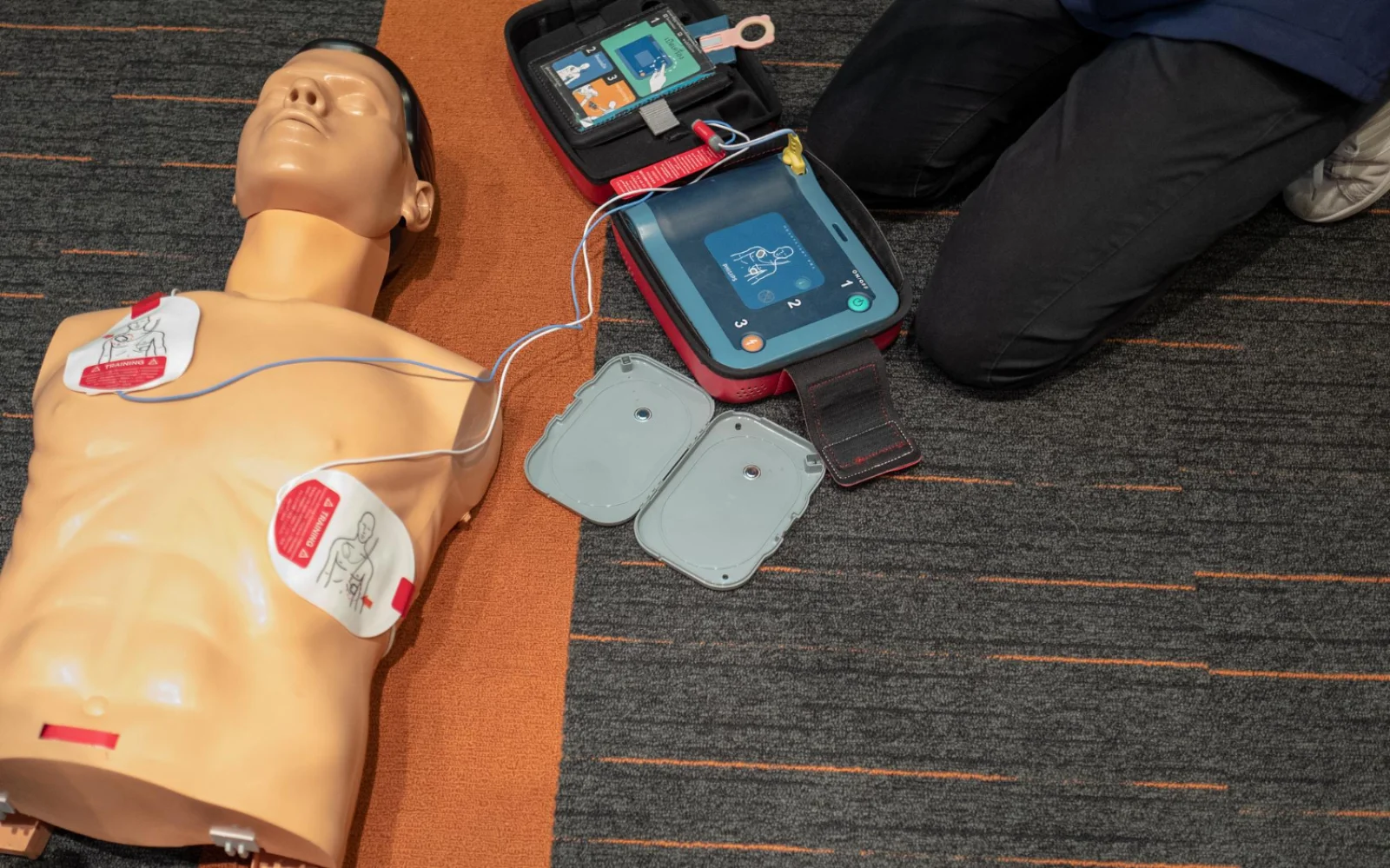
Defibrillation / Cardioversion
About Defibrillation / Cardioversion
Overview
Understanding The Procedure
Symptoms That May Require Defibrillation / Cardioversion
- ⦾ Sudden collapse or loss of consciousness
- ⦾ Rapid, irregular, or unstable heartbeat
- ⦾ Chest pain, palpitations, or severe dizziness
- ⦾ Shortness of breath or circulatory instability
- ⦾ Cardiac arrest or severe hemodynamic compromise
Recovery & Outlook
The long-term outlook following defibrillation or cardioversion depends on the underlying cardiac condition, speed of emergency treatment, recurrence of arrhythmias, and overall heart health. Early intervention, medication adherence, cardiac rehabilitation, healthy lifestyle habits, regular cardiology follow-up, and appropriate long-term rhythm management significantly help improve heart function, reduce complications, prevent recurrent arrhythmias, and enhance overall quality of life.
Risks
- ⦾ Skin burns or irritation at shock pad placement sites
- ⦾ Cardiac rhythm disturbances or recurrence of arrhythmias
- ⦾ Blood clot dislodgement in certain cardiac conditions
- ⦾ Low blood pressure or temporary cardiac instability
- ⦾ Rare complications related to sedation during cardioversion procedures
- ⦾ Treatment Options
- ⦾ Defibrillation and cardioversion procedures focus on restoring normal heart rhythm, stabilizing circulation, and preventing cardiac complications. Management may include emergency defibrillation, synchronized cardioversion, advanced cardiac life support protocols, oxygen therapy, antiarrhythmic medications, anticoagulants, cardiac monitoring, and intensive care support. Patients may also require treatment of underlying heart disease, electrolyte imbalance, myocardial infarction, or structural cardiac abnormalities. Long-term care may include medication management, catheter ablation, pacemaker or implantable cardioverter-defibrillator (ICD) placement, lifestyle modification, and regular cardiology follow-up.
Post-Operative Care
- ⦾ Continuous cardiac rhythm and blood pressure monitoring
- ⦾ Observation for recurrence of arrhythmias or cardiac instability
- ⦾ Medication management and anticoagulation monitoring when required
- ⦾ Follow-up cardiac evaluation and ECG monitoring
- ⦾ Long-term cardiology follow-up and lifestyle modification support
Doctors Who Perform Defibrillation / Cardioversion
Meet experienced cardiology(heart care) doctors who regularly evaluate and perform defibrillation / cardioversion.

Dr. Nagaraja Moorthy
MBBS, MD (INTERNAL MEDICINE),DM(CARDIOLOGY)
KMC: 64485
Consultant Interventional Cardiologist

Dr Suhas Raj S
MBBS, MD - General Medicine, DM - Cardiology
KMC: 158514
Consultant Interventional Cardiologist
Prefer WhatsApp for Defibrillation / Cardioversion enquiries? Chat with our orthopedic team during working hours for quick assistance.