




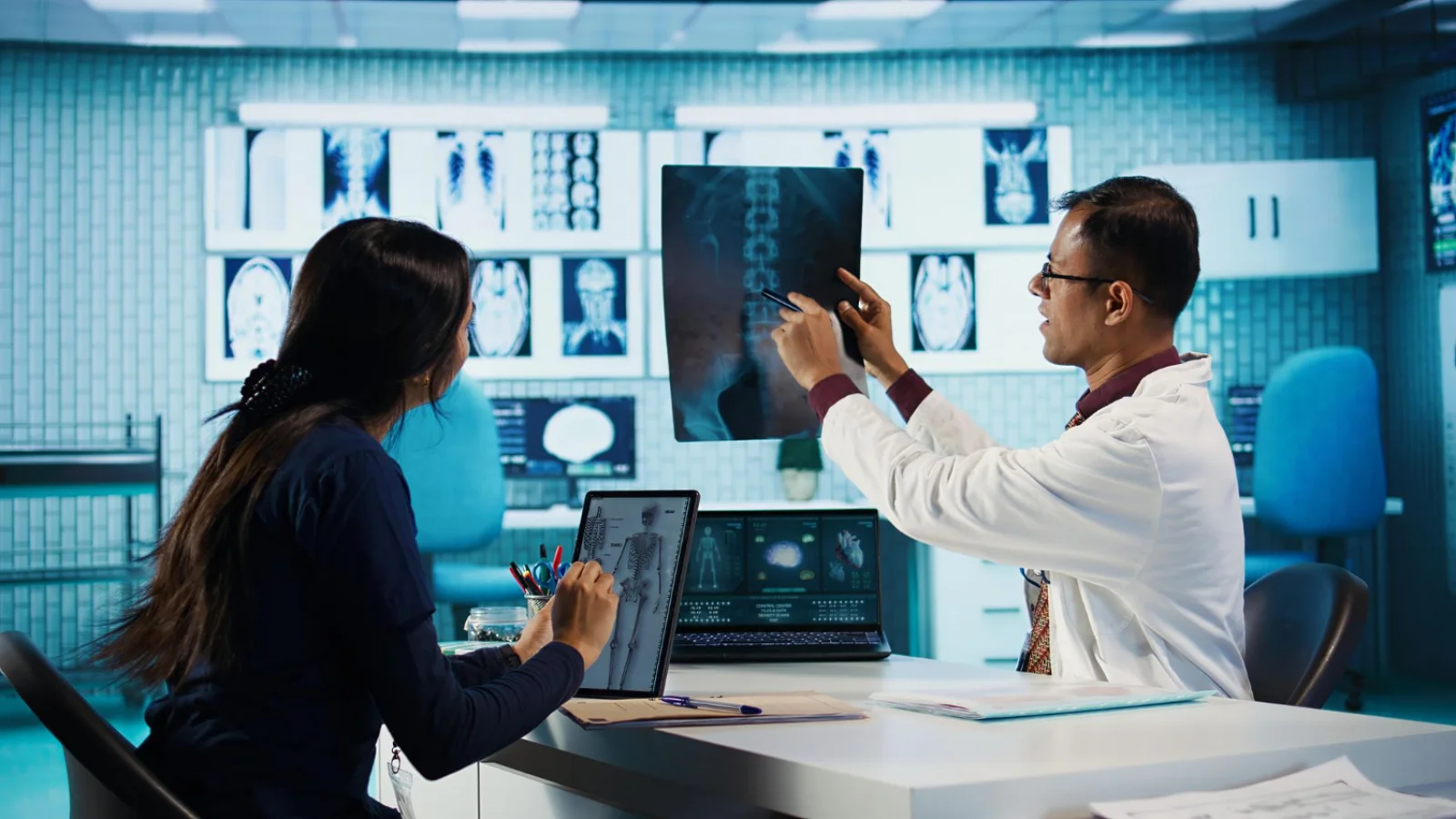
DEXA Scan for Bone Density
About DEXA Scan for Bone Density
A DEXA (Dual-Energy X-ray Absorptiometry) scan is an advanced diagnostic imaging procedure used to measure bone mineral density and assess the risk of osteoporosis and fractures. It is considered the gold standard test for evaluating bone health and detecting early bone loss before fractures occur. DEXA scans help healthcare providers diagnose osteoporosis, monitor treatment effectiveness, and support long-term skeletal health management.
Overview
DEXA scanning uses low-dose X-ray technology to accurately measure bone density, commonly in areas such as the spine, hips, and wrists where fractures are most likely to occur. The procedure is non-invasive, painless, quick, and highly precise. DEXA scans are widely used in hospitals, diagnostic imaging centers, endocrinology clinics, orthopedic departments, and preventive healthcare programs. Bone density assessment is particularly important for postmenopausal women, elderly individuals, patients with hormonal disorders, long-term steroid use, nutritional deficiencies, or a history of fractures and metabolic bone diseases.
Understanding The Procedure
Symptoms That May Require DEXA Scan for Bone Density
- ⦾ Bone pain or back pain
- ⦾ Frequent fractures or fractures after minor injuries
- ⦾ Loss of height or stooped posture
- ⦾ Weak bones or reduced physical mobility
- ⦾ Risk factors for osteoporosis or metabolic bone disorders
Recovery & Outlook
The long-term outlook associated with DEXA scan monitoring is generally highly positive with early osteoporosis detection and appropriate medical management. Regular bone density assessment, medication adherence, healthy nutrition, calcium and vitamin D support, exercise, fall prevention, healthy lifestyle habits, and ongoing healthcare follow-up significantly help improve bone strength, reduce fracture risk, preserve mobility, maintain independence, and enhance overall quality of life.
Risks
- ⦾ Minimal radiation exposure during imaging
- ⦾ Inaccurate results if patient positioning is improper
- ⦾ Delayed diagnosis if routine bone screening is not performed
- ⦾ Reduced bone health if osteoporosis remains untreated
- ⦾ Need for repeat monitoring in progressive bone disorders
- ⦾ Treatment Options
- ⦾ DEXA scanning supports effective osteoporosis and bone health management by helping healthcare providers assess fracture risk, diagnose bone loss, and monitor treatment response. Management may include calcium and vitamin D supplementation, osteoporosis medications, hormone therapy, weight-bearing exercise programs, nutritional counseling, physiotherapy, lifestyle modification, and endocrinology or orthopedic follow-up. Patients may also benefit from fall prevention strategies, metabolic evaluation, and long-term bone health monitoring to maintain skeletal strength and reduce fracture risk.
Post-Operative Care
- ⦾ Regular bone density monitoring and follow-up scanning when required
- ⦾ Evaluation of osteoporosis treatment effectiveness
- ⦾ Nutritional counseling and bone health management support
- ⦾ Monitoring for progression of bone loss or fracture risk
- ⦾ Long-term endocrinology or orthopedic follow-up care
Doctors Who Perform DEXA Scan for Bone Density
Meet experienced orthopedics (bone & joint care) doctors who regularly evaluate and perform dexa scan for bone density.

Dr Naveen Kumar B M
MBBS, MS Orthopedics
KMC: 112492
Consultant Arthroplasty, Trauma, Sports Medicine ad Arthroscopy Surgeon

Dr Sharan Achar T
MBBS, MS Ortho, DNB, FASSI, FAO
KMC: 109282
Consultant Orthopaedic Spine Surgeon

Dr Sudhindra Dharmavaram
MBBS, MD (ANAES), FFPMRCA (UK) - Orthopedics
KMC: 80575
Consultant Orthopaedics Surgeon
Prefer WhatsApp for DEXA Scan for Bone Density enquiries? Chat with our orthopedic team during working hours for quick assistance.
