



EEG Caps / Amplifiers / Recording Systems
About EEG Caps / Amplifiers / Recording Systems
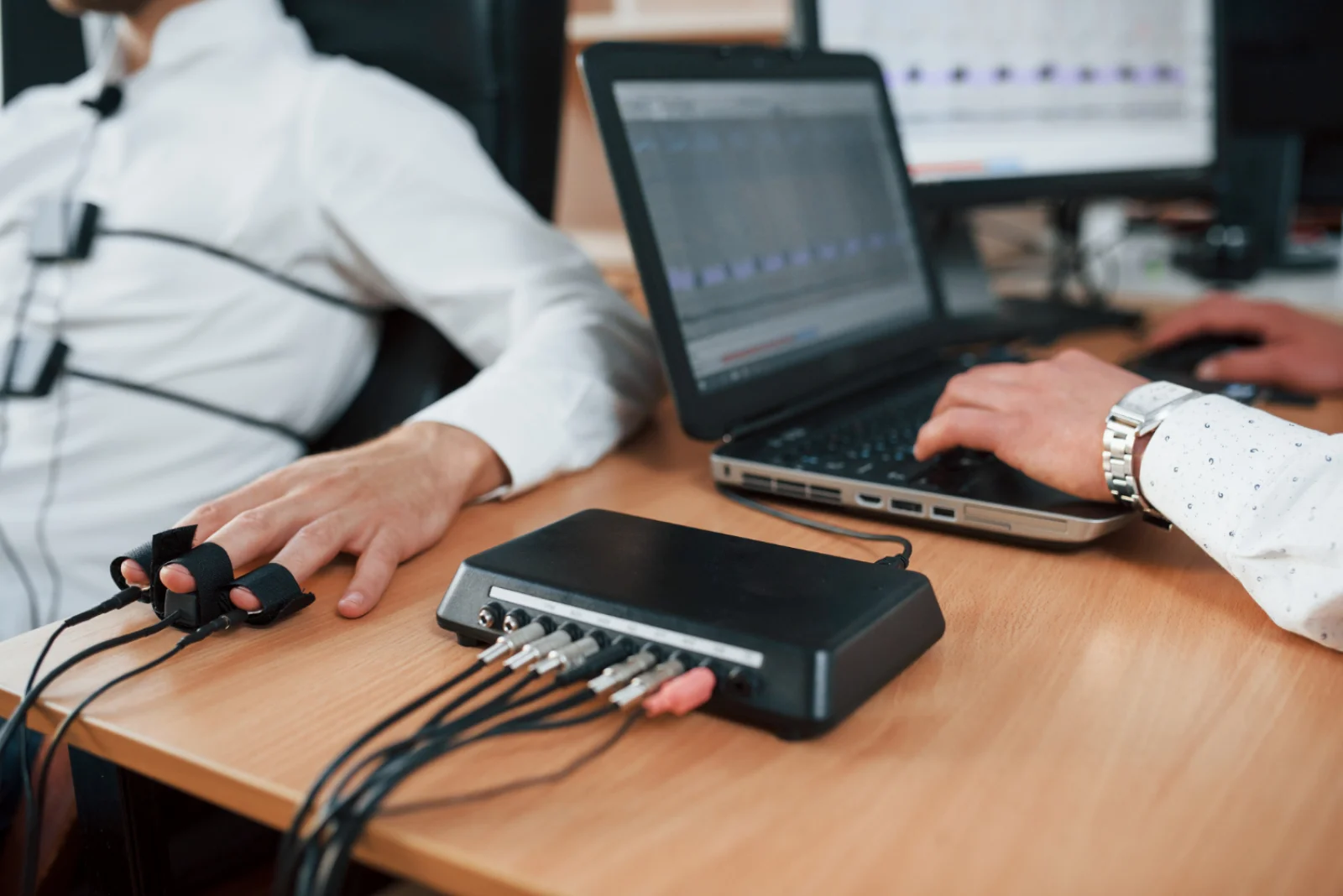
EEG caps, amplifiers, and recording systems are specialized neurodiagnostic equipment used to measure, amplify, record, and analyze the electrical activity of the brain during Electroencephalography (EEG) procedures. These systems play a vital role in diagnosing neurological disorders, seizure conditions, sleep abnormalities, and brain function disturbances by capturing accurate brainwave activity in real time.
Overview
EEG systems consist of electrode caps placed on the scalp, signal amplifiers that enhance weak brain electrical signals, and digital recording systems that store and analyze brainwave data. EEG caps contain multiple electrodes positioned according to standardized neurophysiological mapping systems, while amplifiers improve signal quality by minimizing interference and enhancing accuracy. Modern recording systems integrate computerized monitoring, digital waveform analysis, video synchronization, and long-term monitoring capabilities to support advanced neurological diagnosis and treatment planning.
Understanding The Procedure
Symptoms That May Require EEG Caps / Amplifiers / Recording Systems
- ⦾ Seizures or episodes of loss of consciousness
- ⦾ Unexplained fainting, confusion, or blackouts
- ⦾ Sleep disturbances or abnormal nighttime behaviors
- ⦾ Memory problems, cognitive difficulties, or altered mental status
- ⦾ Abnormal movements, twitching, or suspected neurological disorders
Recovery & Outlook
EEG caps, amplifiers, and recording systems play an important role in improving neurological diagnosis, seizure monitoring, brain function assessment, and long-term patient care. Advancements in digital EEG technology, wireless monitoring systems, AI-assisted brainwave analysis, and high-resolution neurodiagnostic equipment continue to improve diagnostic accuracy, neurological treatment planning, patient safety, and overall neurological healthcare outcomes.
Risks
- ⦾ Mild scalp discomfort or skin irritation from electrode placement
- ⦾ Signal interference affecting recording quality
- ⦾ Rare triggering of seizures during activation procedures
- ⦾ Requirement for prolonged monitoring in complex neurological cases
- ⦾ Need for specialized technical setup and expert interpretation
- ⦾ Treatment Options
- ⦾ EEG caps, amplifiers, and recording systems support accurate diagnosis and neurological monitoring to guide individualized treatment planning. Based on EEG findings, treatment may include anti-seizure medications, neurological rehabilitation, sleep disorder management, behavioral therapy, neurosurgical evaluation, lifestyle modification, and long-term neurological follow-up care. Advanced EEG systems also support continuous brain monitoring, epilepsy management, neurocritical care, and assessment of treatment effectiveness during long-term neurological care.
Post-Operative Care
- ⦾ Removal of EEG electrodes and cleaning of the scalp after testing
- ⦾ Follow-up consultation to review EEG findings
- ⦾ Monitoring neurological symptoms and treatment response
- ⦾ Additional neurological evaluation or imaging if required
- ⦾ Continued medical management and long-term neurological follow-up care
Doctors Who Perform EEG Caps / Amplifiers / Recording Systems
Meet experienced neurology (brain care) doctors who regularly evaluate and perform eeg caps / amplifiers / recording systems.

Dr Prahlad S T
MBBS, DNB - General Surgery, DNB - Neurosurgery
KMC: 79627
Consultant Brain (Neuro) & Spine Surgeon

Arun Kumar M A
MBBS, MS General Surgery,DNB General Surgery,MCh Neurosurgery
KMC: 94243
Consultant Neurologist

Dr Kishore R
MBBS, MD, DRNB
KMC: 109264
Consultant Neurologist
Prefer WhatsApp for EEG Caps / Amplifiers / Recording Systems enquiries? Chat with our orthopedic team during working hours for quick assistance.