




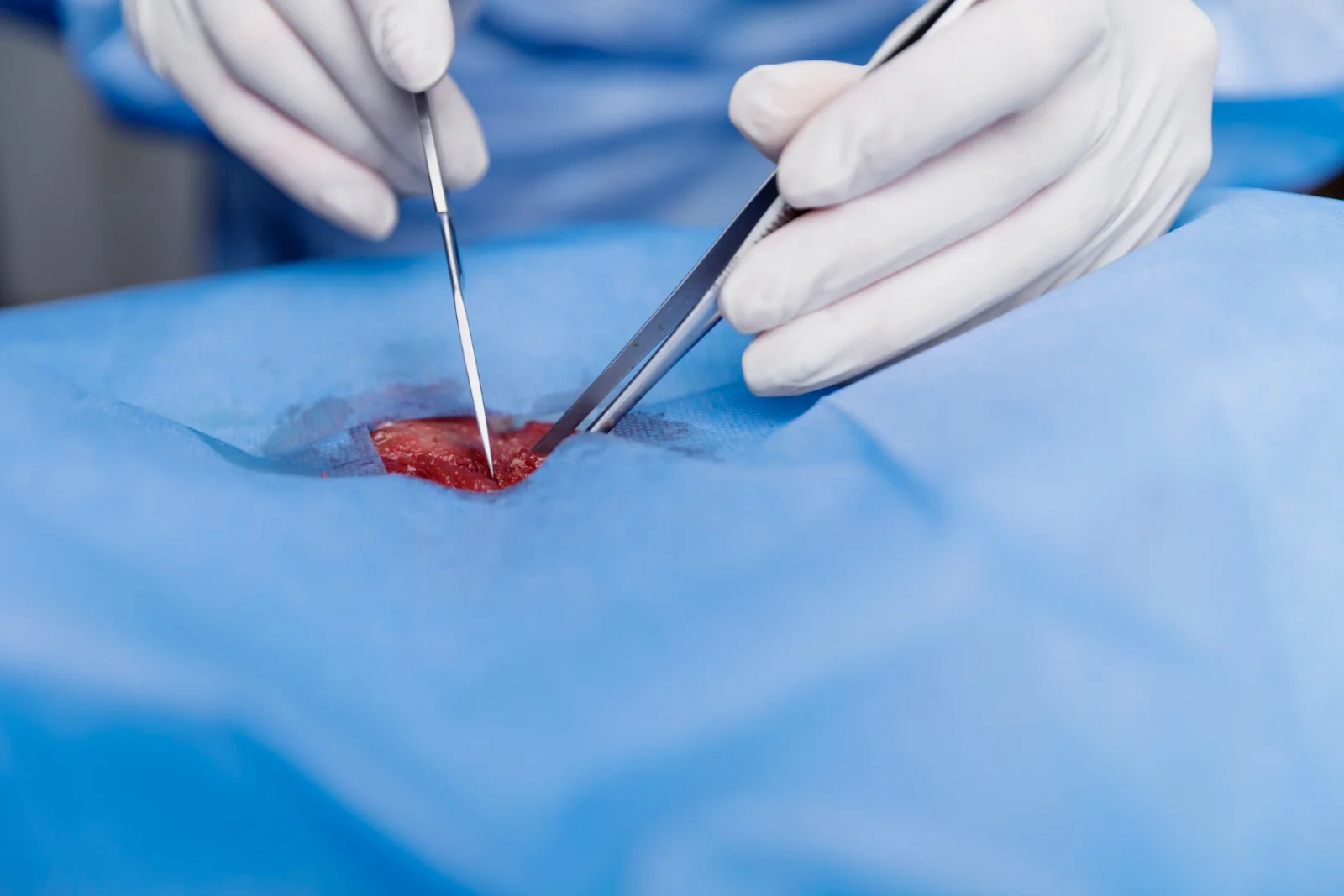
Endoscopic Polypectomy
About Endoscopic Polypectomy
Endoscopic polypectomy is a minimally invasive procedure used to remove abnormal growths (polyps) from the gastrointestinal tra...
Endoscopic polypectomy is a minimally invasive procedure used to remove abnormal growths (polyps) from the gastrointestinal tract during endoscopy or colonoscopy. Removing polyps helps prevent cancer development.
Overview
The procedure is commonly performed during: Colonoscopy Upper GI endoscopy Special instruments such as snares or biopsy forceps are used to remove polyps safely. Polypectomy is important for: Colon cancer prevention Diagnosis of abnormal tissue Removal of precancerous lesions Most patients can return home the same day.
Understanding The Procedure
Symptoms That May Require Endoscopic Polypectomy
- ⦾ Rectal bleeding
- ⦾ Changes in bowel habits
- ⦾ Positive screening tests
- ⦾ Unexplained anemia
- ⦾ Polyps detected during endoscopy
Recovery & Outlook
Endoscopic polypectomy significantly reduces colorectal cancer risk and supports early gastrointestinal disease prevention.
Risks
- ⦾ Bleeding after removal
- ⦾ Bowel perforation
- ⦾ Infection risk
- ⦾ Incomplete removal of large polyps
- ⦾ Sedation-related complications
Post-Operative Care
- ⦾ Follow dietary recommendations carefully
- ⦾ Avoid heavy activity temporarily
- ⦾ Monitor for bleeding or severe pain
- ⦾ Attend biopsy result follow-up visits
- ⦾ Maintain future colonoscopy surveillance schedules
Doctors Who Perform Endoscopic Polypectomy
Meet experienced gastroenterology doctors who regularly evaluate and perform endoscopic polypectomy.

Dr Rakesh Shringeri
MBBS,MRCP & FRCP,FESBGH
KMC: 65440
Consultant Gastroenterologist

Dr Pratibha Setty
MBBS, DNB, DM (Gastroenterology)
KMC: 53359
Consultant Gastroenterologist
Prefer WhatsApp for Endoscopic Polypectomy enquiries? Chat with our orthopedic team during working hours for quick assistance.