




Holter Monitoring / Event Recorder
About Holter Monitoring / Event Recorder
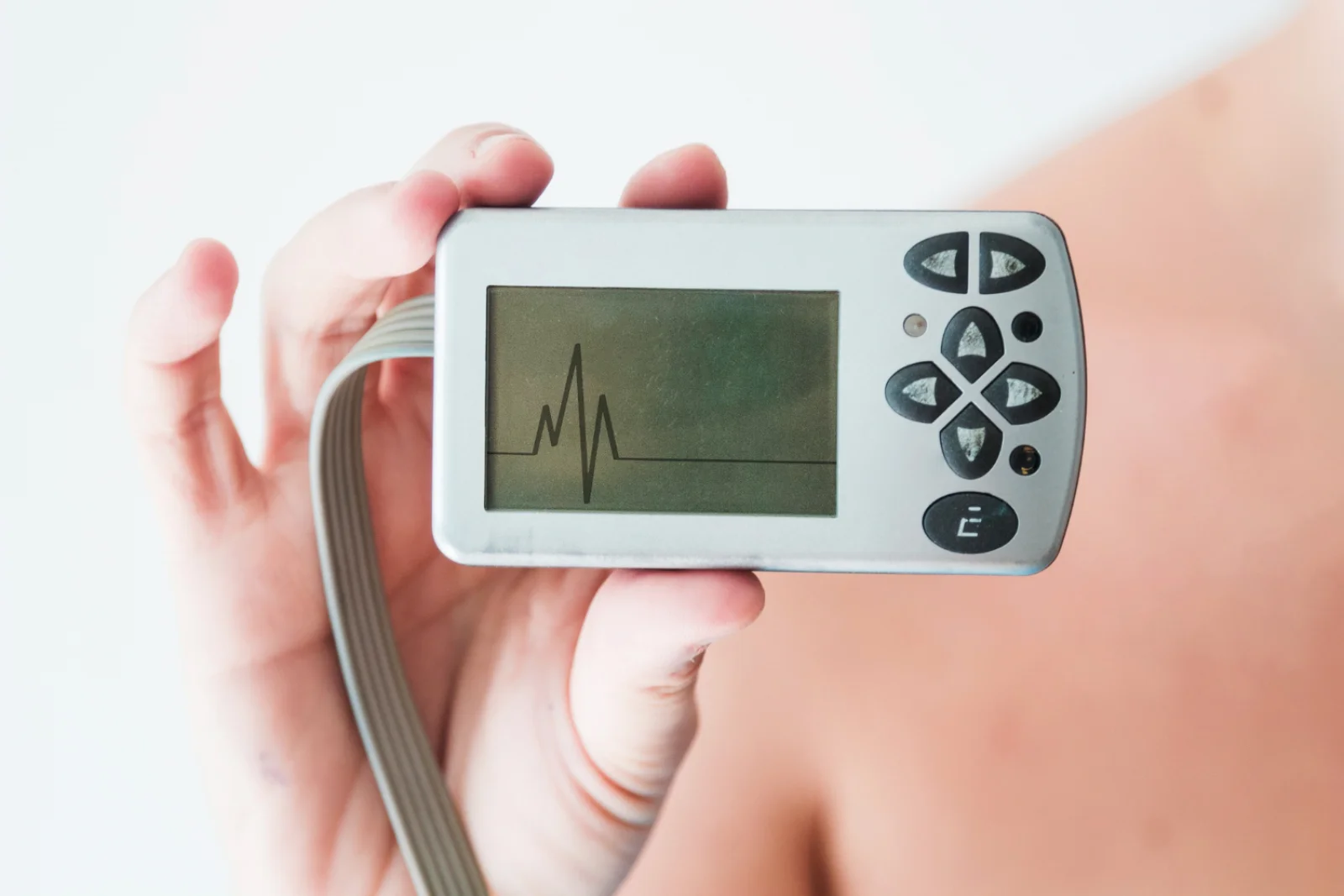
Holter monitoring and event recorders are portable cardiac devices used to continuously monitor heart rhythm over extended periods. These devices help detect intermittent arrhythmias that may not appear during routine ECG testing. They are widely use...
Holter monitoring and event recorders are portable cardiac devices used to continuously monitor heart rhythm over extended periods. These devices help detect intermittent arrhythmias that may not appear during routine ECG testing. They are widely used in diagnosing palpitations, syncope, and unexplained cardiac symptoms.
Overview
Holter monitoring usually records heart rhythm continuously for 24 to 72 hours. Event recorders are activated when symptoms occur and may be used for longer durations. The devices help diagnose: Atrial fibrillation Bradycardia Tachycardia Intermittent arrhythmias Syncope-related rhythm disturbances Patients continue daily activities while wearing the monitor. The recorded information is later analyzed by cardiologists.
Understanding The Procedure
Symptoms That May Require Holter Monitoring / Event Recorder
- ⦾ Palpitations
- ⦾ Irregular heartbeat
- ⦾ Dizziness or fainting
- ⦾ Intermittent chest discomfort
- ⦾ Unexplained fatigue
Recovery & Outlook
Continuous rhythm monitoring improves arrhythmia detection, guides treatment planning, and reduces complications associated with undiagnosed cardiac rhythm disorders.
Risks
- ⦾ Mild skin irritation from electrodes
- ⦾ Temporary discomfort while wearing the monitor
- ⦾ Anxiety during prolonged monitoring
- ⦾ Technical recording interruptions
- ⦾ Rare allergic reactions to adhesive materials
Post-Operative Care
- ⦾ Maintain activity diary during monitoring if advised
- ⦾ Avoid water exposure if instructed
- ⦾ Report severe symptoms immediately
- ⦾ Return the device on schedule
- ⦾ Attend follow-up for result interpretation
Doctors Who Perform Holter Monitoring / Event Recorder
Meet experienced cardiology(heart care) doctors who regularly evaluate and perform holter monitoring / event recorder.

Dr. Nagaraja Moorthy
MBBS, MD (INTERNAL MEDICINE),DM(CARDIOLOGY)
KMC: 64485
Consultant Interventional Cardiologist
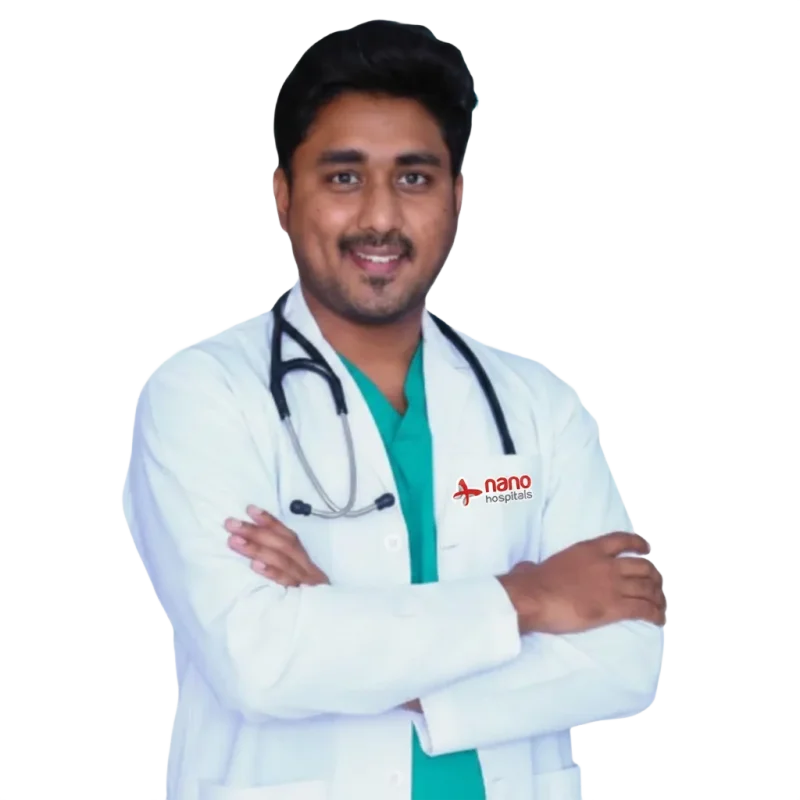
Dr Suhas Raj S
MBBS, MD - General Medicine, DM - Cardiology
KMC: 158514
Consultant Interventional Cardiologist
Prefer WhatsApp for Holter Monitoring / Event Recorder enquiries? Chat with our orthopedic team during working hours for quick assistance.
