




Hyperlipidemia / Dyslipidemia
About Hyperlipidemia / Dyslipidemia
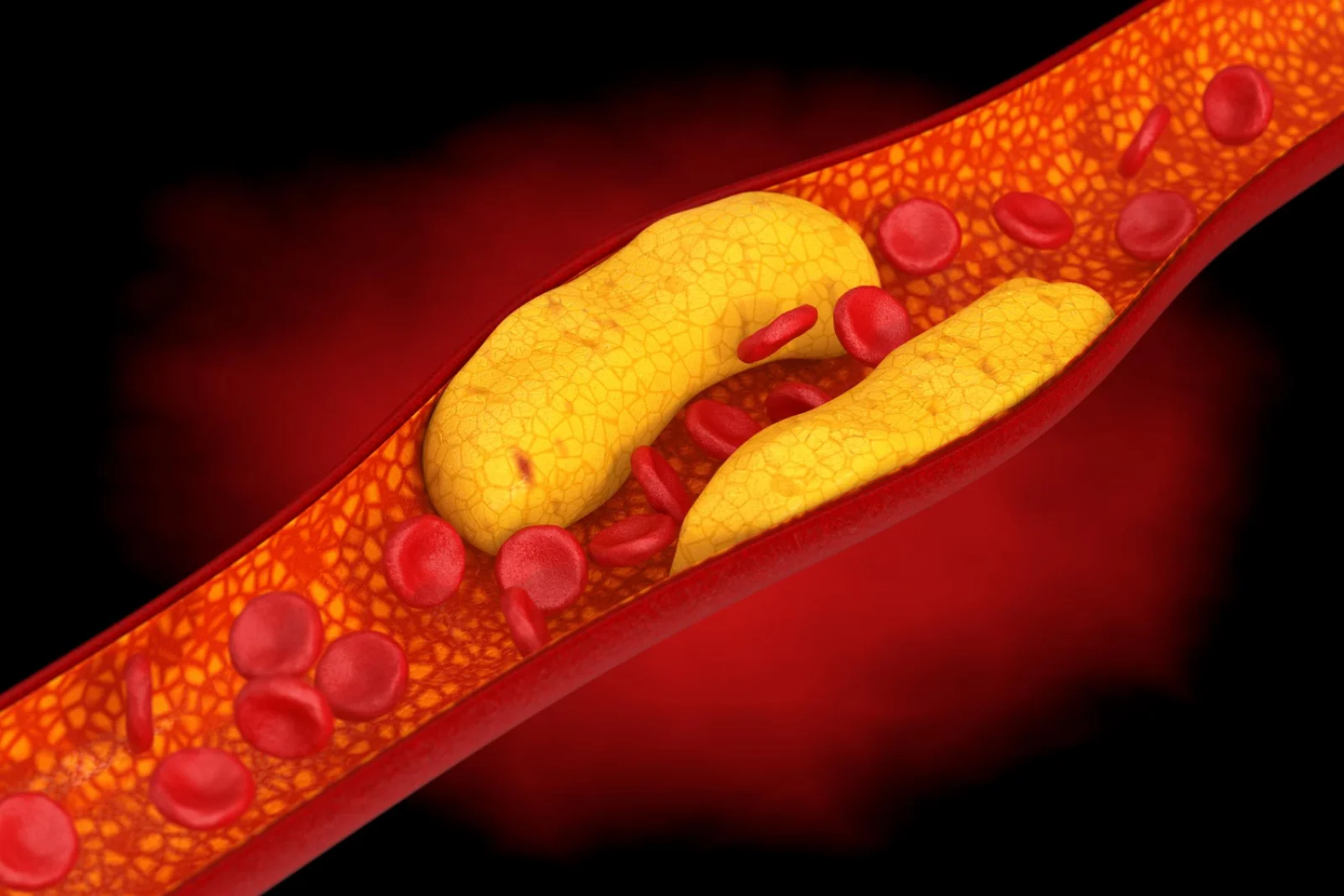
Hyperlipidemia or dyslipidemia refers to abnormal levels of fats (lipids) in the blood, including cholesterol and triglycerides. High cholesterol contributes to plaque buildup in arteries and increases the risk of heart attack, stroke, and vascular disease. Proper management is essential for long-term cardiovascular health.
Overview
Common lipid abnormalities include: High LDL cholesterol Low HDL cholesterol Elevated triglycerides Risk factors include: Poor diet Obesity Diabetes Smoking Genetic disorders Sedentary lifestyle Diagnosis is performed using lipid profile blood tests. Treatment includes: Lifestyle modification Statin therapy Lipid-lowering medications Weight control and exercise Regular monitoring is important to reduce cardiovascular risk.
Understanding The Procedure
Symptoms That May Require Hyperlipidemia / Dyslipidemia
- ⦾ Usually no symptoms initially
- ⦾ Chest pain from blocked arteries
- ⦾ Fat deposits around eyes or skin in severe cases
- ⦾ Obesity-related symptoms
- ⦾ History of cardiovascular disease
Recovery & Outlook
Proper lipid management significantly lowers cardiovascular risk and supports long-term heart and vascular health.
Risks
- ⦾ Coronary artery disease
- ⦾ Stroke
- ⦾ Peripheral vascular disease
- ⦾ Pancreatitis with high triglycerides
- ⦾ Atherosclerosis progression
Post-Operative Care
- ⦾ Follow a low-fat heart-healthy diet
- ⦾ Exercise regularly as advised
- ⦾ Take cholesterol medications consistently
- ⦾ Avoid smoking and alcohol excess
- ⦾ Monitor lipid levels routinely
Doctors Who Perform Hyperlipidemia / Dyslipidemia
Meet experienced cardiology(heart care) doctors who regularly evaluate and perform hyperlipidemia / dyslipidemia.

Dr. Nagaraja Moorthy
MBBS, MD (INTERNAL MEDICINE),DM(CARDIOLOGY)
KMC: 64485
Consultant Interventional Cardiologist

Dr Suhas Raj S
MBBS, MD - General Medicine, DM - Cardiology
KMC: 158514
Consultant Interventional Cardiologist
Prefer WhatsApp for Hyperlipidemia / Dyslipidemia enquiries? Chat with our orthopedic team during working hours for quick assistance.
