




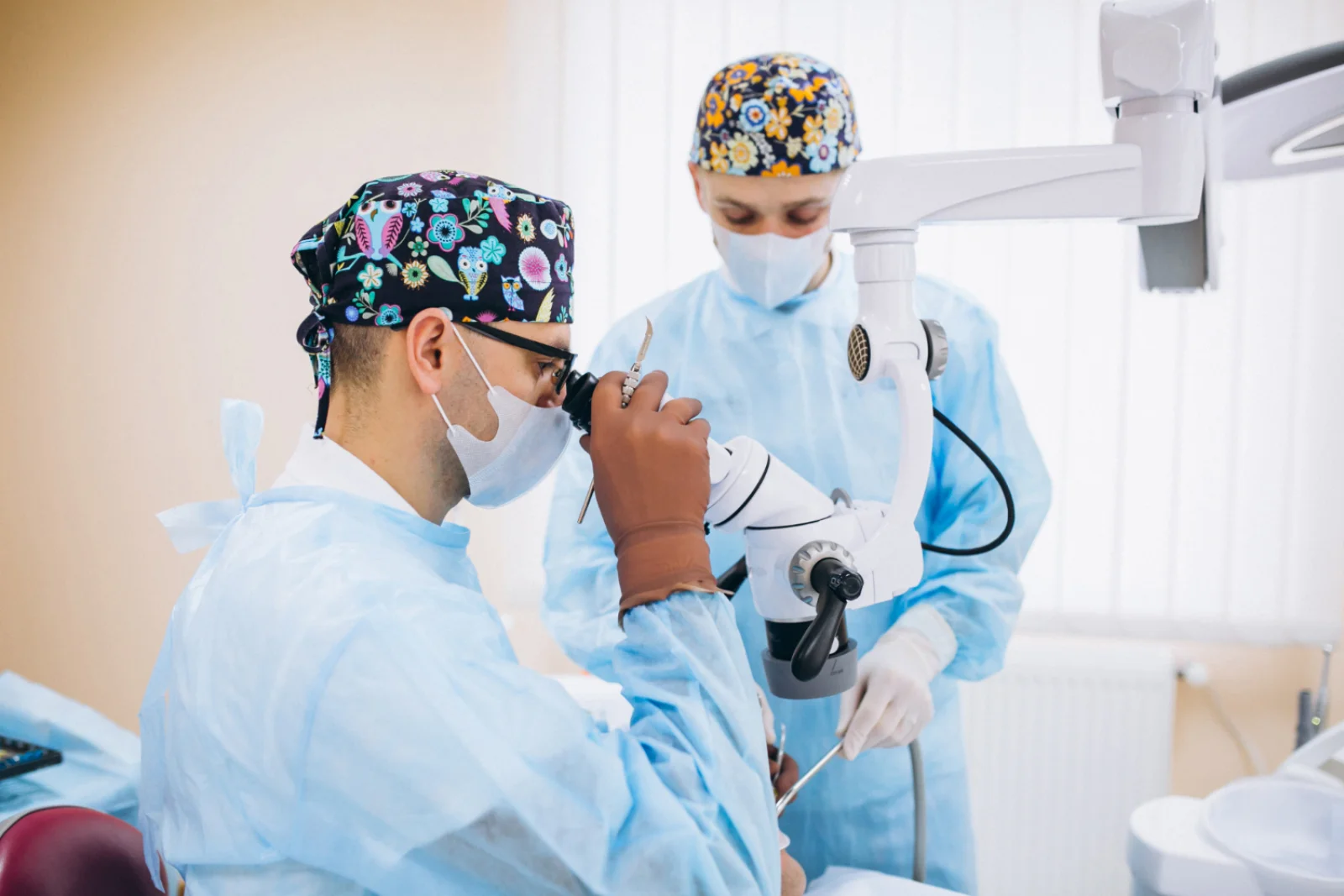
Intraoperative Neuromonitoring (IONM)
About Intraoperative Neuromonitoring (IONM)
Intraoperative neuromonitoring (IONM) is an advanced technology used during neurosurgical procedures to continuously monitor nerve and spinal cord function in real time. The system helps surgeons identify neurological changes early and reduce the ris...
Intraoperative neuromonitoring (IONM) is an advanced technology used during neurosurgical procedures to continuously monitor nerve and spinal cord function in real time. The system helps surgeons identify neurological changes early and reduce the risk of permanent nerve damage during surgery. IONM improves surgical safety in complex neurological operations.
Overview
The monitoring system may include: Somatosensory evoked potentials Motor evoked potentials Electromyography monitoring EEG monitoring Cranial nerve monitoring IONM is commonly used during: Spine surgery Brain tumor surgery Skull base surgery Peripheral nerve surgery Vascular neurosurgery Continuous monitoring helps preserve neurological function during surgery.
Understanding The Procedure
Symptoms That May Require Intraoperative Neuromonitoring (IONM)
- ⦾ Spinal cord compression
- ⦾ Brain tumors
- ⦾ Nerve disorders
- ⦾ Cranial nerve abnormalities
- ⦾ Complex spinal deformities
Recovery & Outlook
IONM improves neurological preservation and surgical precision during complex neurosurgery. Its use contributes to safer operations and better long-term neurological outcomes.
Risks
- ⦾ Technical monitoring limitations
- ⦾ Rare skin irritation from electrodes
- ⦾ Prolonged surgical duration
- ⦾ False monitoring alarms
- ⦾ Equipment malfunction
Post-Operative Care
- ⦾ Continue neurological evaluations
- ⦾ Attend follow-up appointments regularly
- ⦾ Monitor for weakness or numbness
- ⦾ Continue rehabilitation if advised
- ⦾ Take medications properly
Doctors Who Perform Intraoperative Neuromonitoring (IONM)
Meet experienced neurology (brain care) doctors who regularly evaluate and perform intraoperative neuromonitoring (ionm).

Dr Prahlad S T
MBBS, DNB - General Surgery, DNB - Neurosurgery
KMC: 79627
Consultant Brain (Neuro) & Spine Surgeon

Arun Kumar M A
MBBS, MS General Surgery,DNB General Surgery,MCh Neurosurgery
KMC: 94243
Consultant Neurologist

Dr Kishore R
MBBS, MD, DRNB
KMC: 109264
Consultant Neurologist
Prefer WhatsApp for Intraoperative Neuromonitoring (IONM) enquiries? Chat with our orthopedic team during working hours for quick assistance.
