





Joint Replacement Revision Surgery
About Joint Replacement Revision Surgery
Joint replacement revision surgery is performed when a previously implanted artificial joint becomes worn, loose, or infected and needs replacement.
Overview
Joint replacement revision surgery is an orthopedic procedure performed to replace or repair an existing artificial joint implant that has worn out, loosened, or become infected. The surgeon removes the old implant and replaces it with a new prosthetic joint to restore stability and function.
Understanding The Procedure
Symptoms That May Require Joint Replacement Revision Surgery
- ⦾ Persistent joint pain
- ⦾ Swelling
- ⦾ Difficulty moving the joint
- ⦾ Instability of the implant
Recovery & Outlook
Revision surgery helps restore joint function when the original implant fails. Modern surgical techniques improve implant durability and performance. Physiotherapy helps regain strength and mobility. Patients often experience improved comfort and movement after recovery. Long-term outcomes depend on overall health and rehabilitation.
Risks
- ⦾ Infection
- ⦾ Blood clots
- ⦾ Implant complications
- ⦾ Nerve damage (rare)
Post-Operative Care
- ⦾ Follow physiotherapy and rehabilitation programs
- ⦾ Take prescribed medications as directed
- ⦾ Avoid excessive stress on the new implant
- ⦾ Maintain proper joint care and hygiene
- ⦾ Attend scheduled follow-up appointments
Conclusion
Joint replacement revision surgery is an effective treatment for failed or worn artificial joints. With proper surgical care and rehabilitation, patients can regain joint stability and improve their quality of life.
Doctors Who Perform Joint Replacement Revision Surgery
Meet experienced orthopedics (bone & joint care) doctors who regularly evaluate and perform joint replacement revision surgery.

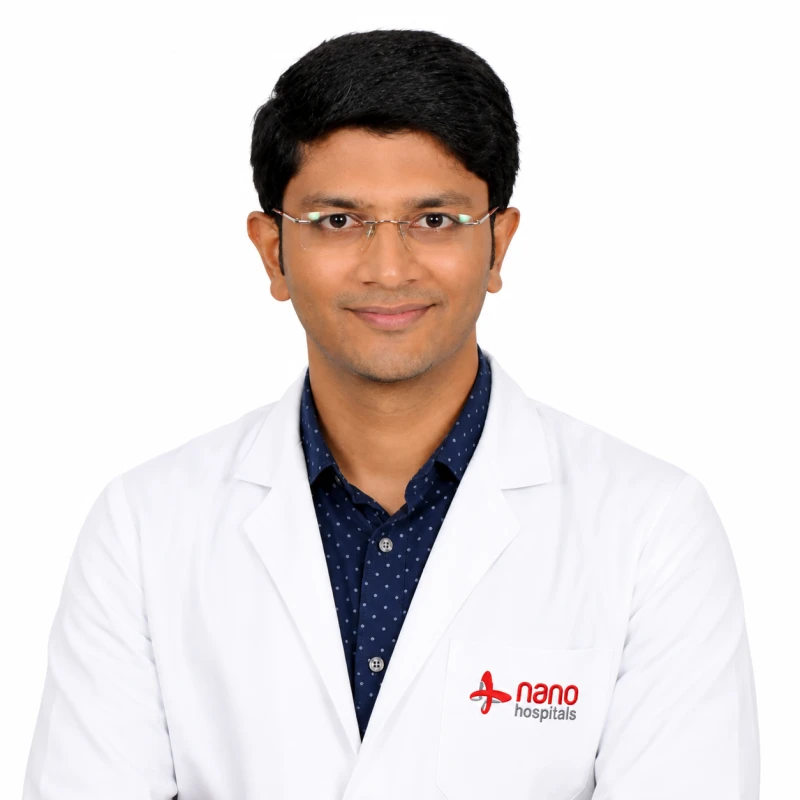
Dr Naveen Kumar B M
MBBS, MS Orthopedics
KMC: 112492
Consultant Arthroplasty, Trauma, Sports Medicine ad Arthroscopy Surgeon
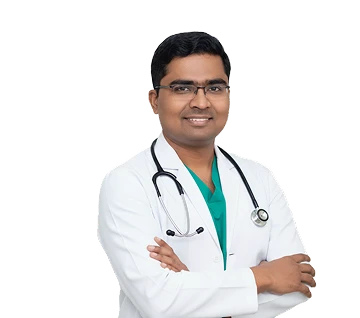
Dr Sharan Achar T
MBBS, MS Ortho, DNB, FASSI, FAO
KMC: 109282
Consultant Orthopaedic Spine Surgeon
Dr Sudhindra Dharmavaram
MBBS, MD (ANAES), FFPMRCA (UK) - Orthopedics
KMC: 80575
Consultant Orthopaedics Surgeon
Prefer WhatsApp for Joint Replacement Revision Surgery enquiries? Chat with our orthopedic team during working hours for quick assistance.