




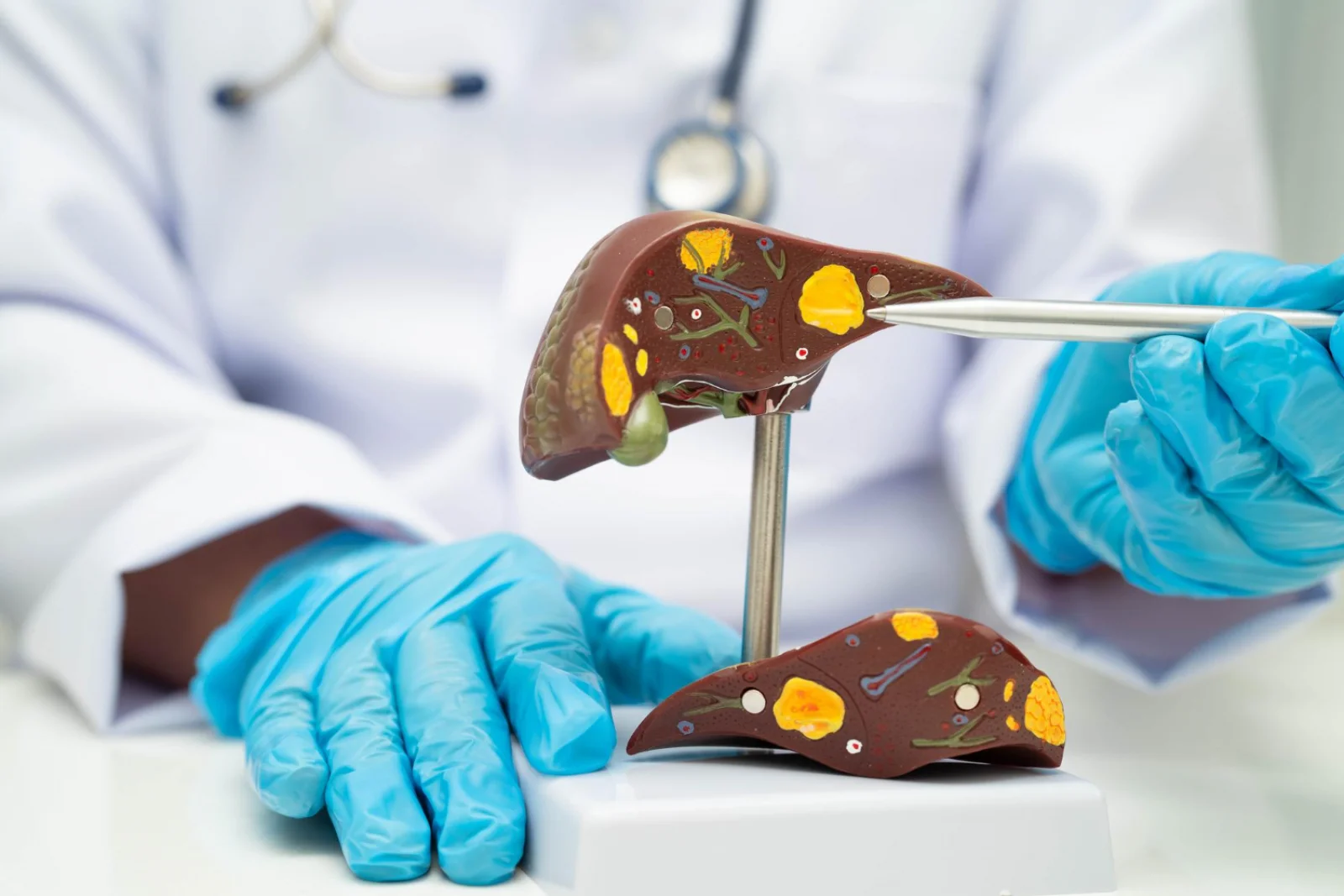
Liver Biopsy (Percutaneous / Transjugular)
About Liver Biopsy (Percutaneous / Transjugular)
Liver biopsy is a procedure used to collect a small sample of liver tissue for microscopic examination to diagnose liver diseases. It...
Liver biopsy is a procedure used to collect a small sample of liver tissue for microscopic examination to diagnose liver diseases. It helps evaluate inflammation, fibrosis, fatty liver disease, infections, and liver tumors.
Overview
Types of liver biopsy include: Percutaneous biopsy through the skin Transjugular biopsy through neck veins The procedure helps diagnose: Hepatitis Cirrhosis Fatty liver disease Autoimmune liver disorders Liver cancer Imaging guidance improves safety and accuracy.
Understanding The Procedure
Symptoms That May Require Liver Biopsy (Percutaneous / Transjugular)
- ⦾ Abnormal liver function tests
- ⦾ Chronic hepatitis symptoms
- ⦾ Liver enlargement or swelling
- ⦾ Unexplained jaundice
- ⦾ Suspected liver fibrosis or cirrhosis
Recovery & Outlook
Liver biopsy provides accurate diagnosis, guides treatment decisions, and improves long-term management of liver diseases.
Risks
- ⦾ Bleeding complications
- ⦾ Pain at biopsy site
- ⦾ Infection risk
- ⦾ Injury to nearby organs
- ⦾ Rare severe internal bleeding
Post-Operative Care
- ⦾ Rest for several hours after procedure
- ⦾ Avoid heavy lifting temporarily
- ⦾ Monitor for abdominal pain or bleeding
- ⦾ Attend follow-up appointments for results
- ⦾ Follow liver disease treatment plans carefully
Doctors Who Perform Liver Biopsy (Percutaneous / Transjugular)
Meet experienced gastroenterology doctors who regularly evaluate and perform liver biopsy (percutaneous / transjugular).

Dr Rakesh Shringeri
MBBS,MRCP & FRCP,FESBGH
KMC: 65440
Consultant Gastroenterologist

Dr Pratibha Setty
MBBS, DNB, DM (Gastroenterology)
KMC: 53359
Consultant Gastroenterologist
Prefer WhatsApp for Liver Biopsy (Percutaneous / Transjugular) enquiries? Chat with our orthopedic team during working hours for quick assistance.