



Paracentesis / Ascitic Fluid Management
About Paracentesis / Ascitic Fluid Management
Paracentesis is a procedure used to remove excess fluid (ascites) from the abdomen, commonly seen in liver disease and certain...
Paracentesis is a procedure used to remove excess fluid (ascites) from the abdomen, commonly seen in liver disease and certain cancers. It relieves discomfort and helps diagnose the cause of fluid accumulation.
Overview
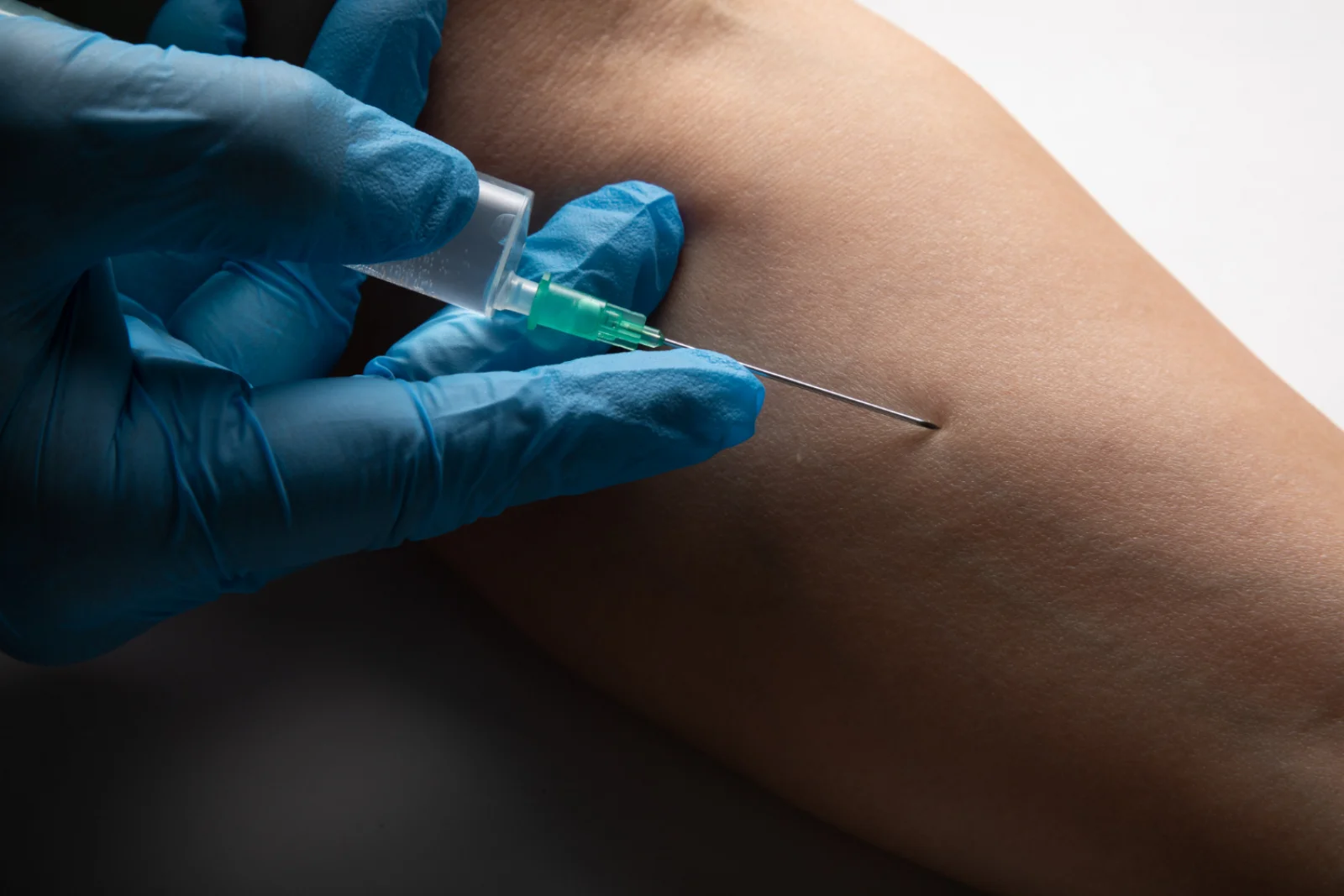
A sterile needle or catheter is inserted into the abdominal cavity to drain fluid safely. Paracentesis is used for: Symptom relief Infection detection Fluid analysis Management of severe abdominal distension Large-volume paracentesis may require albumin replacement therapy.
Understanding The Procedure
Symptoms That May Require Paracentesis / Ascitic Fluid Management
- ⦾ Abdominal swelling and tightness
- ⦾ Difficulty breathing due to fluid pressure
- ⦾ Abdominal discomfort or pain
- ⦾ Poor appetite and early fullness
- ⦾ Fever or suspected abdominal infection
Recovery & Outlook
Paracentesis improves comfort, breathing, and mobility while supporting ongoing management of chronic liver disease and ascites.
Risks
- ⦾ Bleeding or infection
- ⦾ Low blood pressure after drainage
- ⦾ Fluid leakage from puncture site
- ⦾ Kidney dysfunction in severe liver disease
- ⦾ Rare bowel injury
Post-Operative Care
- ⦾ Monitor blood pressure and hydration
- ⦾ Follow salt-restricted diet if advised
- ⦾ Observe puncture site for leakage
- ⦾ Attend regular liver disease follow-up visits
- ⦾ Report fever or worsening abdominal pain immediately
Doctors Who Perform Paracentesis / Ascitic Fluid Management
Meet experienced gastroenterology doctors who regularly evaluate and perform paracentesis / ascitic fluid management.

Dr Rakesh Shringeri
MBBS,MRCP & FRCP,FESBGH
KMC: 65440
Consultant Gastroenterologist

Dr Pratibha Setty
MBBS, DNB, DM (Gastroenterology)
KMC: 53359
Consultant Gastroenterologist
Prefer WhatsApp for Paracentesis / Ascitic Fluid Management enquiries? Chat with our orthopedic team during working hours for quick assistance.