




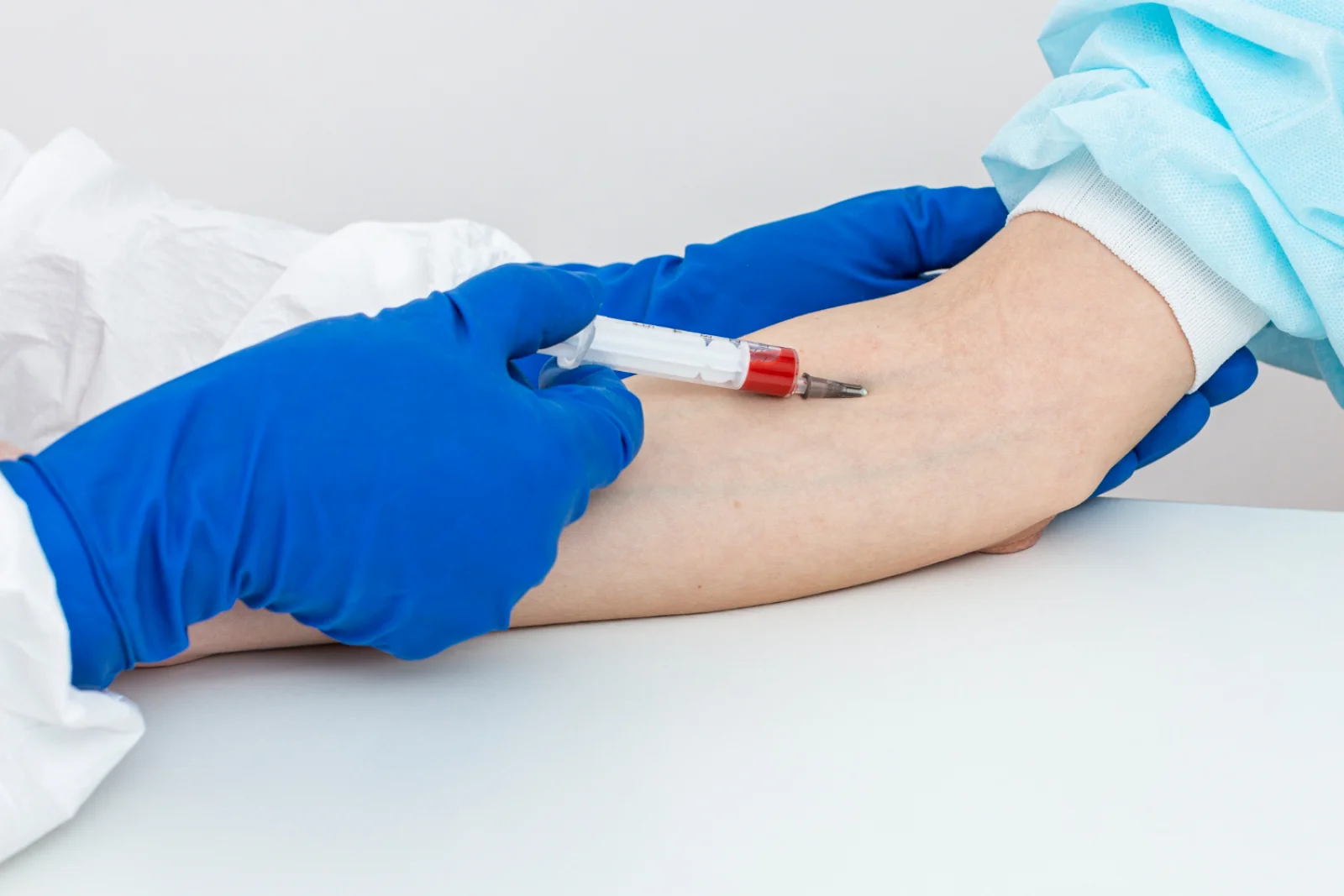
Peripheral Arterial Disease (PAD)
About Peripheral Arterial Disease (PAD)
Peripheral arterial disease (PAD) is a circulatory condition caused by narrowing or blockage of arteries supplying blood to the limbs, most commonly the legs. The condition usually develops due to atherosclerosis and reduced blood flow. Early treatment helps prevent severe complications and limb damage.
Overview
PAD commonly affects older adults and individuals with: Diabetes Smoking history High cholesterol Hypertension Coronary artery disease Diagnosis may include: Ankle-brachial index (ABI) Doppler ultrasound CT angiography Peripheral angiography Treatment options include: Lifestyle modification Medications Exercise therapy Angioplasty or vascular surgery Severe cases may lead to critical limb ischemia.
Understanding The Procedure
Symptoms That May Require Peripheral Arterial Disease (PAD)
- ⦾ Leg pain during walking (claudication)
- ⦾ Cold feet or legs
- ⦾ Weak pulses in legs
- ⦾ Non-healing wounds
- ⦾ Leg numbness or weakness
Recovery & Outlook
Early diagnosis and treatment improve circulation, reduce complications, and preserve long-term limb and cardiovascular health.
Risks
- ⦾ Limb ischemia
- ⦾ Ulcer formation
- ⦾ Gangrene
- ⦾ Heart attack or stroke risk
- ⦾ Amputation in severe cases
Post-Operative Care
- ⦾ Stop smoking completely
- ⦾ Exercise regularly under supervision
- ⦾ Control diabetes and blood pressure properly
- ⦾ Maintain foot care and hygiene
- ⦾ Attend vascular follow-up appointments regularly
Doctors Who Perform Peripheral Arterial Disease (PAD)
Meet experienced vascular surgery doctors who regularly evaluate and perform peripheral arterial disease (pad).
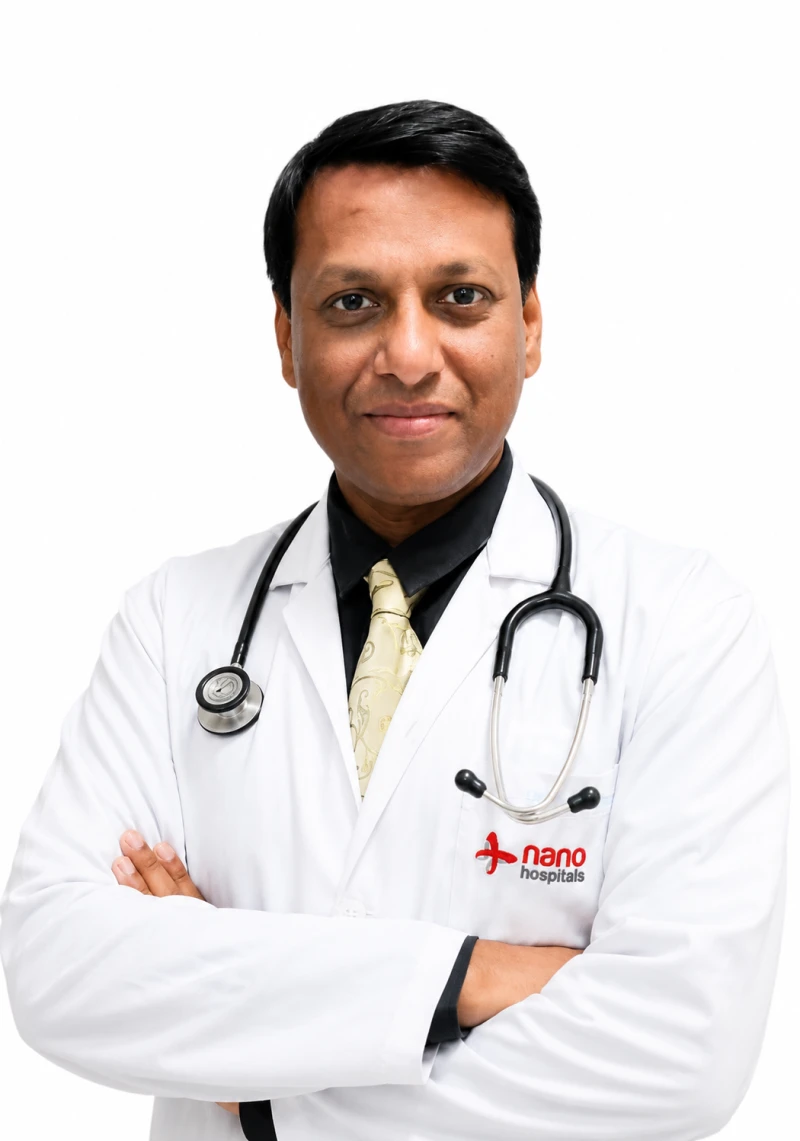
Dr Manish Pangi
MBBS, MS, MCH, CONSULTANT CARDIOTHORACIC AND VASCULAR SERGEON
KMC: 63524
Consultant Vascular Surgeon
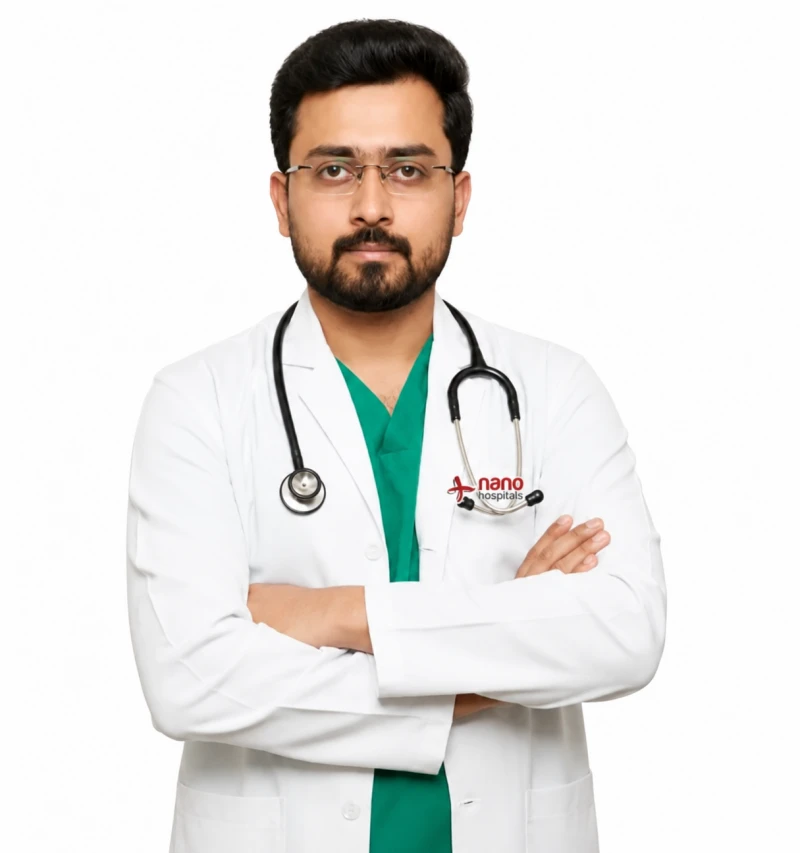
Dr Adarsh M S
MBBS, MS (General Surgery) DRNB(Vascular & Endo Vascular Surgery)
KMC: 103548
Consultant Vascular & Endovascular Surgeon
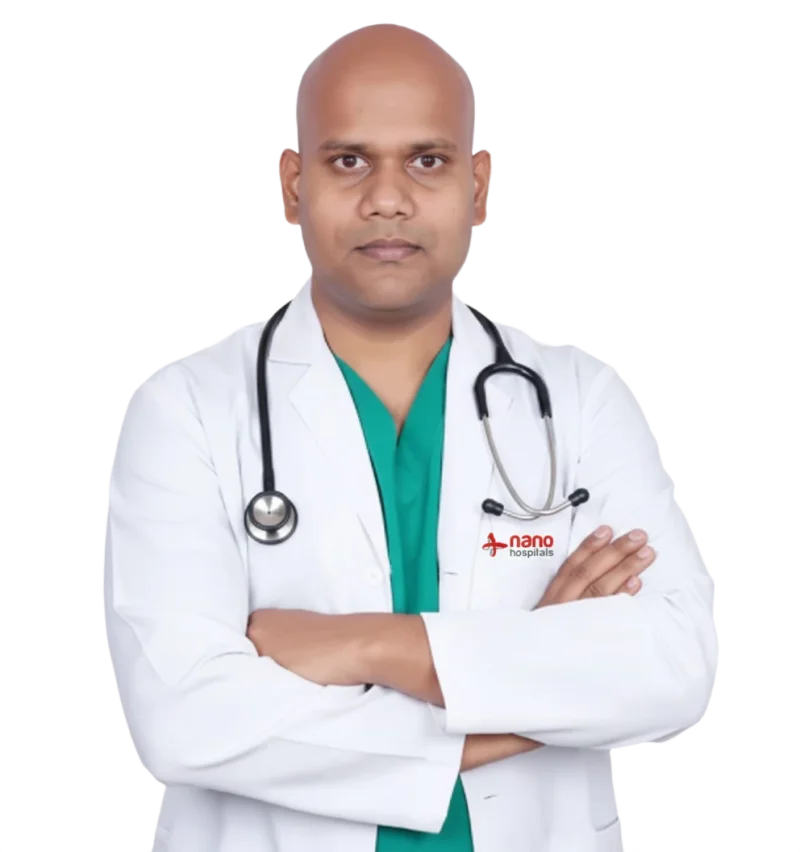
Dr Arun Kumar A
MBBS, MS(General Surgery), MCH(Vascular Surgery)
KMC: 107818
Consultant Vascular & Endo Vascular Surgeon
Prefer WhatsApp for Peripheral Arterial Disease (PAD) enquiries? Chat with our orthopedic team during working hours for quick assistance.
