




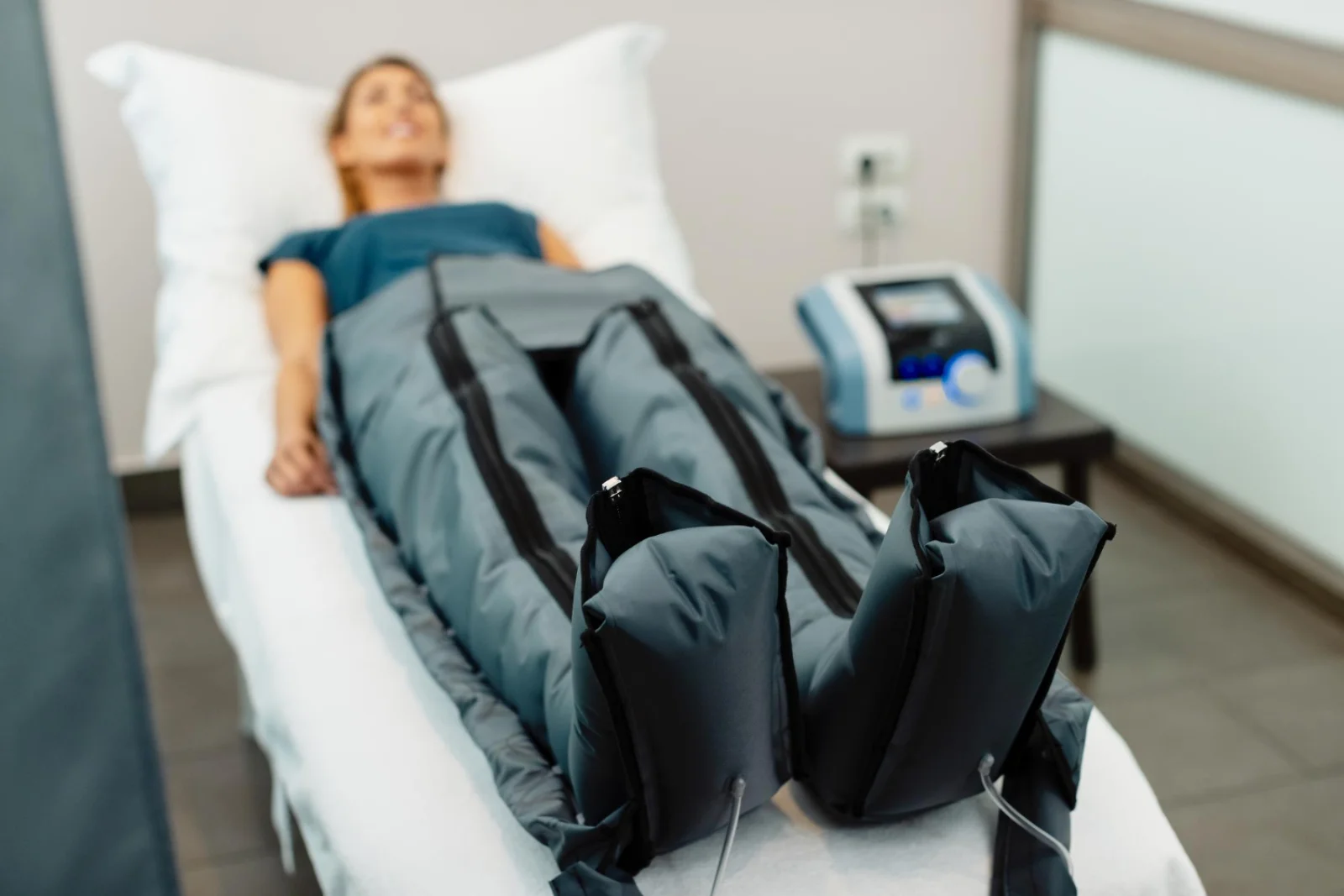
Postoperative Physiotherapy Equipment
About Postoperative Physiotherapy Equipment
Postoperative physiotherapy equipment includes specialized rehabilitation devices and therapeutic systems used to restore mobility, muscle strength, joint function, coordination, and physical independence after surgery, trauma, reconstructive procedures, or prolonged illness. These systems support faster recovery, pain reduction, and improved long-term functional outcomes.
Overview
Physiotherapy equipment is widely used in oral and maxillofacial rehabilitation, orthopedic recovery, burn care, neurological rehabilitation, postoperative jaw therapy, limb reconstruction, and general surgical recovery programs. These devices assist with muscle strengthening, mobility training, range-of-motion exercises, pain management, gait rehabilitation, and functional recovery. Modern rehabilitation equipment helps improve patient comfort, reduce stiffness, prevent complications, and enhance quality of life after surgery. Exercise therapy and resistance training equipment Jaw rehabilitation and mouth-opening exercise devices Electrotherapy, ultrasound therapy, and pain relief systems Parallel bars, walkers, balance boards, and gait training equipment Stretching, mobility, and range-of-motion rehabilitation devices
Understanding The Procedure
Symptoms That May Require Postoperative Physiotherapy Equipment
- ⦾ Symptoms that persist and may benefit from Postoperative Physiotherapy Equipment
- ⦾ Reduced day-to-day function, comfort, or quality of life
- ⦾ Limited response to basic supportive measures alone
- ⦾ Need for structured, specialist-guided care
- ⦾ Follow-up needs after illness, injury, or prior treatment
Recovery & Outlook
The long-term outlook with advanced postoperative physiotherapy equipment is highly positive because structured rehabilitation significantly improves mobility, muscle strength, flexibility, joint function, and overall quality of life after surgery or injury. Continuous advancements in rehabilitation technology, digital monitoring systems, and physiotherapy techniques continue to enhance patient recovery, independence, and long-term functional outcomes.
Risks
- ⦾ Incorrect use leading to strain or delayed recovery
- ⦾ Need for supervised rehabilitation and patient compliance
- ⦾ Equipment maintenance and calibration requirements
- ⦾ Risk of falls or reinjury during mobility training
- ⦾ Requirement for individualized rehabilitation planning and monitoring
Post-Operative Care
- ⦾ Regular monitoring of mobility, strength, and rehabilitation progress
- ⦾ Gradual increase in exercise intensity based on recovery status
- ⦾ Cleaning and maintenance of physiotherapy equipment
- ⦾ Pain management and supervised rehabilitation support
- ⦾ Long-term physiotherapy follow-up and functional assessment
Doctors Who Perform Postoperative Physiotherapy Equipment
Meet experienced general surgery doctors who regularly evaluate and perform postoperative physiotherapy equipment.

Dr. Abhiram
MBBS, MS in General Surgery.
KMC: 122777
Consultant General Surgeon

Dr. Anantha Krishna M A
Mbbs Ms Gen Surgery Fsge Fiages
KMC: 85130
Consultant Surgical Gastroenterology surgeon

Dr. Niranjan P
MBBS, DNB - General Surgery
KMC: 72600
Consultant General Surgeon
Prefer WhatsApp for Postoperative Physiotherapy Equipment enquiries? Chat with our orthopedic team during working hours for quick assistance.
