



Rapid Fluid Resuscitation & Electrolyte Correction
About Rapid Fluid Resuscitation & Electrolyte Correction
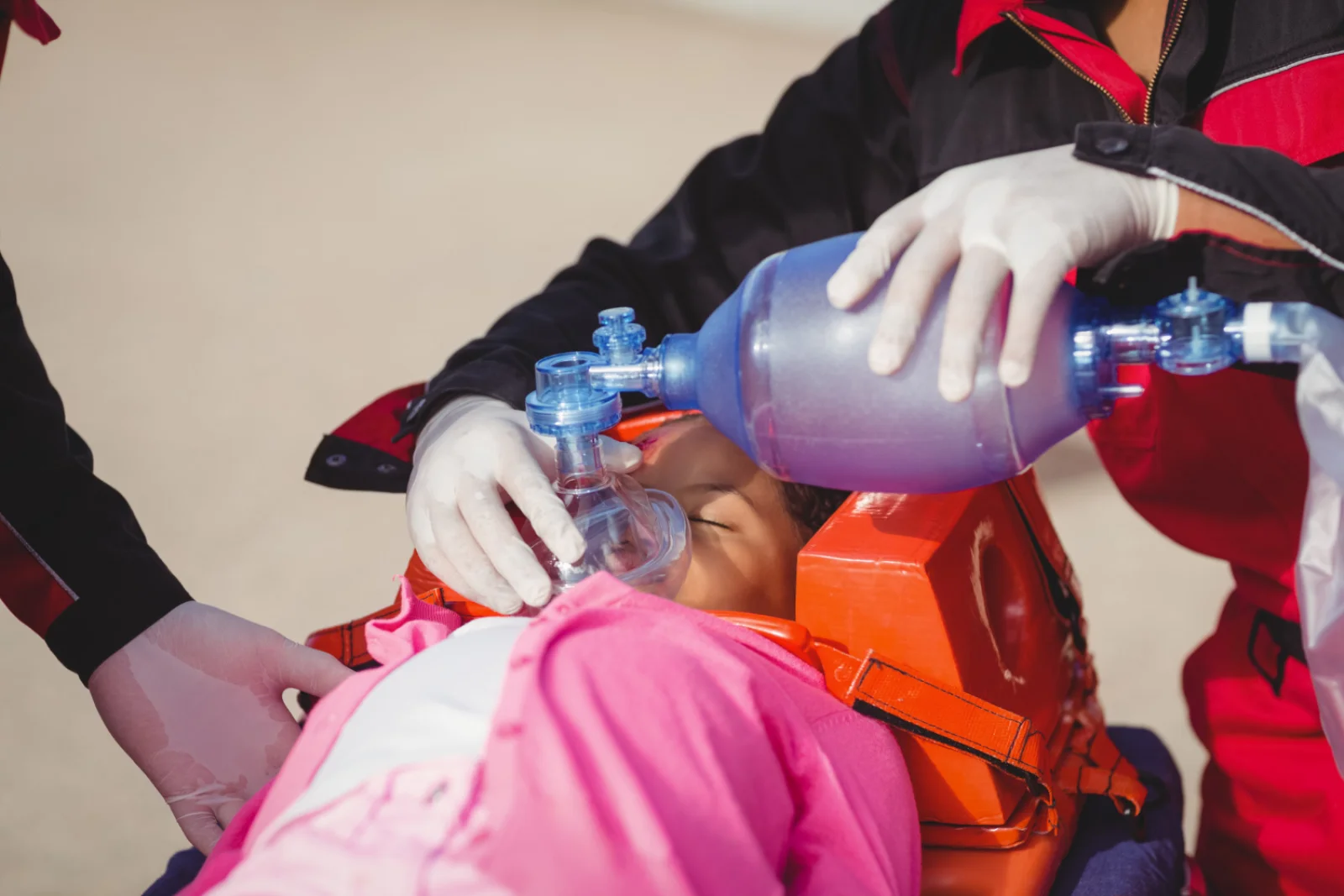
Rapid fluid resuscitation and electrolyte correction are emergency medical procedures used to restore circulating blood volume, maintain blood pressure, improve organ perfusion, and correct dangerous electrolyte imbalances in critically ill patients. These interventions are essential in conditions such as shock, severe dehydration, sepsis, trauma, diabetic emergencies, kidney dysfunction, and critical illness where rapid stabilization of fluid and metabolic balance is necessary to prevent organ failure and life-threatening complications.
Overview
Fluid resuscitation involves the rapid administration of intravenous fluids such as crystalloids, colloids, or blood products to restore circulation and improve oxygen delivery to tissues. Electrolyte correction focuses on balancing essential minerals including sodium, potassium, calcium, magnesium, and chloride that are necessary for normal heart, nerve, muscle, and organ function. These procedures are commonly performed in emergency departments, intensive care units, trauma centers, and critical care settings with continuous monitoring of vital signs, urine output, cardiac function, and laboratory parameters.
Understanding The Procedure
Symptoms That May Require Rapid Fluid Resuscitation & Electrolyte Correction
- ⦾ Severe dehydration, low blood pressure, or shock
- ⦾ Rapid heartbeat, dizziness, or fainting episodes
- ⦾ Muscle weakness, cramps, or abnormal heart rhythms
- ⦾ Confusion, fatigue, or altered mental status
- ⦾ Reduced urine output or signs of organ dysfunction
Recovery & Outlook
The long-term outlook following rapid fluid resuscitation and electrolyte correction depends on the underlying illness, severity of metabolic imbalance, speed of treatment, and overall patient health. Early medical intervention, careful monitoring, rehabilitation support, medication adherence, hydration management, and regular follow-up significantly help restore normal organ function, prevent complications, improve recovery outcomes, and enhance overall quality of life.
Risks
- ⦾ Fluid overload causing respiratory or cardiac complications
- ⦾ Electrolyte overcorrection leading to cardiac arrhythmias or neurological symptoms
- ⦾ Tissue swelling or pulmonary edema in severe cases
- ⦾ Blood pressure instability during rapid fluid administration
- ⦾ Kidney dysfunction or metabolic imbalance in critically ill patients
- ⦾ Treatment Options
- ⦾ Rapid fluid resuscitation and electrolyte correction procedures focus on stabilizing circulation, restoring fluid balance, correcting metabolic abnormalities, and supporting organ function. Management may include intravenous fluid therapy, electrolyte replacement, blood transfusions, cardiac monitoring, oxygen therapy, vasopressor support, laboratory monitoring, and intensive care management when required. Patients may also receive treatment for underlying conditions such as sepsis, trauma, diabetic emergencies, kidney disease, gastrointestinal fluid loss, or severe infections. Multidisciplinary critical care support is essential to optimize recovery and reduce complications.
Post-Operative Care
- ⦾ Continuous monitoring of blood pressure, heart rate, and urine output
- ⦾ Regular laboratory evaluation of electrolyte and metabolic status
- ⦾ Monitoring for signs of fluid overload or cardiac complications
- ⦾ Adjustment of intravenous fluids and electrolyte therapy as needed
- ⦾ Long-term medical follow-up and supportive care depending on the underlying condition
Doctors Who Perform Rapid Fluid Resuscitation & Electrolyte Correction
Meet experienced nephrology doctors who regularly evaluate and perform rapid fluid resuscitation & electrolyte correction.

Dr. Krithika D Muralidhar
MBBS, MD, MRCP (London), DNB (Nephrology)
KMC: 83201
Consultant Nephrologist

Dr Harsha Kumar
MBBS, MD (INTERNAL MEDICINE)(NEPHROLOGY PGI)
KMC: 76636
Consultant Nephrologist And Transplant Surgeon
Prefer WhatsApp for Rapid Fluid Resuscitation & Electrolyte Correction enquiries? Chat with our orthopedic team during working hours for quick assistance.