




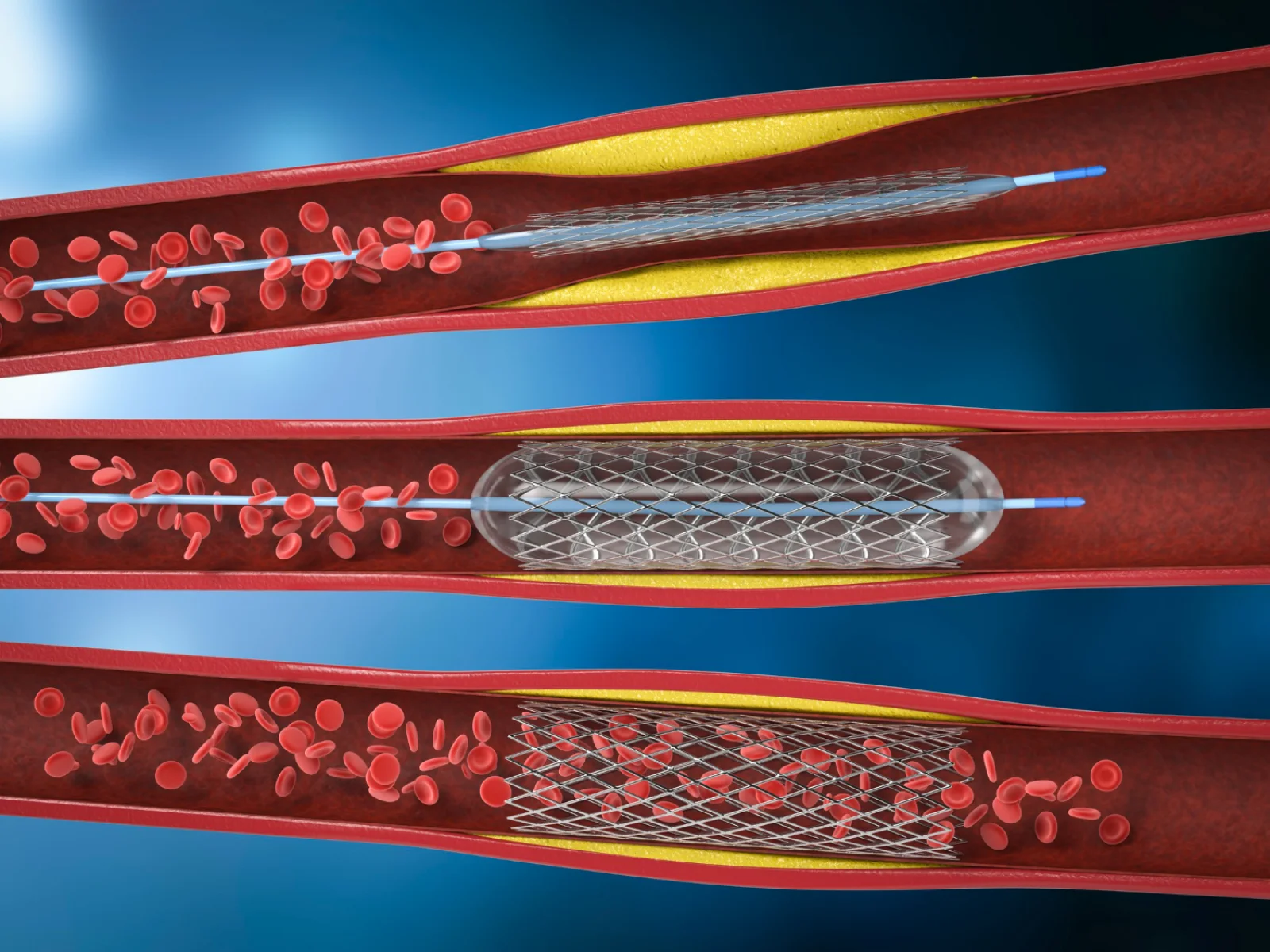
Revascularization Procedures (Endovascular / Surgical)
About Revascularization Procedures (Endovascular / Surgical)
Overview
Understanding The Procedure
Symptoms That May Require Revascularization Procedures (Endovascular / Surgical)
- ⦾ Persistent symptoms related to the condition treated by Revascularization Procedures (Endovascular / Surgical)
- ⦾ Pain, discomfort, or functional limitation affecting daily activities
- ⦾ Symptoms that continue despite medicines or conservative care
- ⦾ Progressive or recurrent complaints needing definitive specialist treatment
- ⦾ Clinical findings on examination or investigations that indicate procedural care
Recovery & Outlook
Successful revascularization significantly improves limb preservation and diabetic wound healing outcomes.
Risks
- ⦾ Restenosis
- ⦾ Blood clots
- ⦾ Bleeding
- ⦾ Need for repeat procedures
Post-Operative Care
- ⦾ Antiplatelet medications
- ⦾ Foot protection
- ⦾ Wound monitoring
- ⦾ Vascular follow-up imaging
Doctors Who Perform Revascularization Procedures (Endovascular / Surgical)
Meet experienced vascular surgery doctors who regularly evaluate and perform revascularization procedures (endovascular / surgical).
Dr Manish Pangi
MBBS, MS, MCH, CONSULTANT CARDIOTHORACIC AND VASCULAR SERGEON
KMC: 63524
Consultant Vascular Surgeon
Dr Adarsh M S
MBBS, MS (General Surgery) DRNB(Vascular & Endo Vascular Surgery)
KMC: 103548
Consultant Vascular & Endovascular Surgeon
Dr Arun Kumar A
MBBS, MS(General Surgery), MCH(Vascular Surgery)
KMC: 107818
Consultant Vascular & Endo Vascular Surgeon
Prefer WhatsApp for Revascularization Procedures (Endovascular / Surgical) enquiries? Chat with our orthopedic team during working hours for quick assistance.