





Skull Base Surgery
About Skull Base Surgery
Skull base surgery is a highly specialized neurosurgical procedure performed to treat tumors, vascular abnormalities, infections, and other disorders located at the base of the skull. The skull base contains critical nerves, blood vessels, and brain...
Skull base surgery is a highly specialized neurosurgical procedure performed to treat tumors, vascular abnormalities, infections, and other disorders located at the base of the skull. The skull base contains critical nerves, blood vessels, and brain structures, making these surgeries complex and delicate. Advanced microsurgical and endoscopic techniques help improve surgical precision and patient safety.
Overview
The procedure may involve: Microsurgical tumor removal Endoscopic skull base approaches Reconstruction of skull base defects Protection of cranial nerves and blood vessels Multidisciplinary surgical coordination Conditions commonly treated include: Skull base tumors Pituitary tumors Meningiomas Acoustic neuromas CSF leaks Vascular lesions Surgery is planned using advanced MRI and CT imaging along with neuronavigation systems.
Understanding The Procedure
Symptoms That May Require Skull Base Surgery
- ⦾ Persistent headaches
- ⦾ Vision disturbances
- ⦾ Hearing loss
- ⦾ Facial numbness or weakness
- ⦾ Balance problems
Recovery & Outlook
Skull base surgery can significantly improve neurological symptoms and tumor control. Long-term outcomes depend on tumor type, surgical complexity, and recovery progress.
Risks
- ⦾ Cranial nerve injury
- ⦾ CSF leakage
- ⦾ Infection
- ⦾ Bleeding
- ⦾ Neurological deficits
Post-Operative Care
- ⦾ Attend regular neurosurgical follow-up visits
- ⦾ Monitor for fever or fluid leakage
- ⦾ Continue medications as prescribed
- ⦾ Avoid heavy strain during recovery
- ⦾ Participate in rehabilitation if advised
Doctors Who Perform Skull Base Surgery
Meet experienced neurology (brain care) doctors who regularly evaluate and perform skull base surgery.

Dr Prahlad S T
MBBS, DNB - General Surgery, DNB - Neurosurgery
KMC: 79627
Consultant Brain (Neuro) & Spine Surgeon
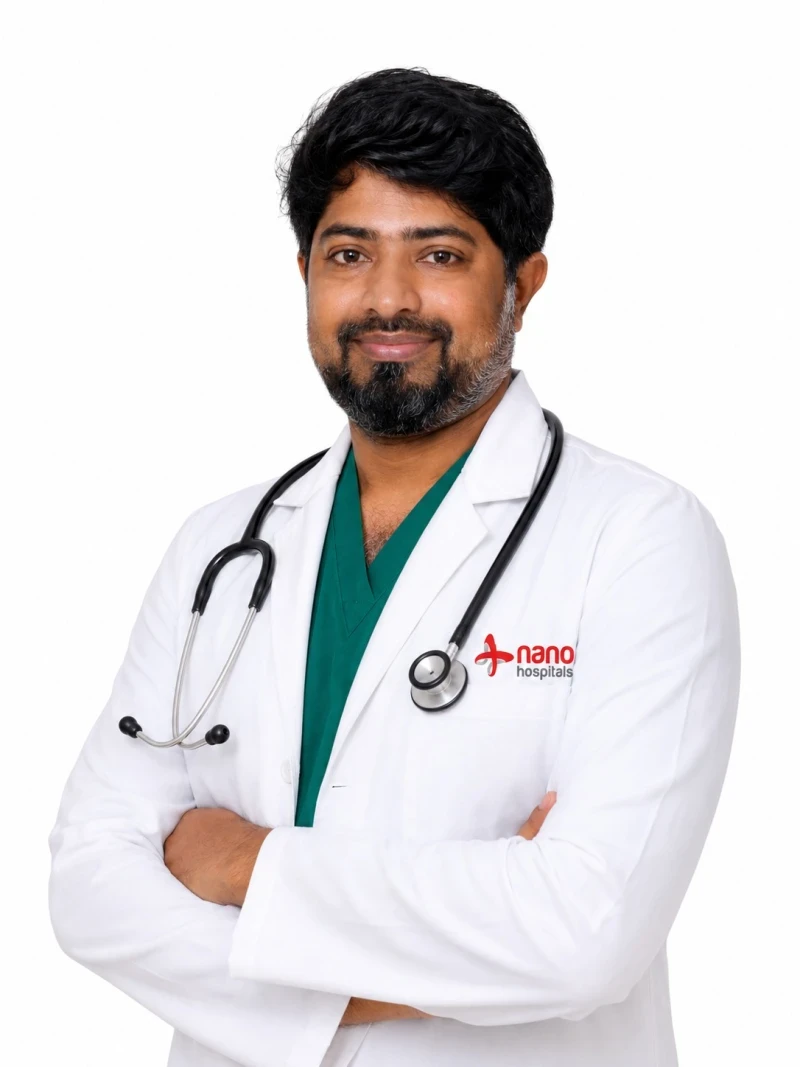
Arun Kumar M A
MBBS, MS General Surgery,DNB General Surgery,MCh Neurosurgery
KMC: 94243
Consultant Neurologist

Dr Kishore R
MBBS, MD, DRNB
KMC: 109264
Consultant Neurologist
Prefer WhatsApp for Skull Base Surgery enquiries? Chat with our orthopedic team during working hours for quick assistance.