




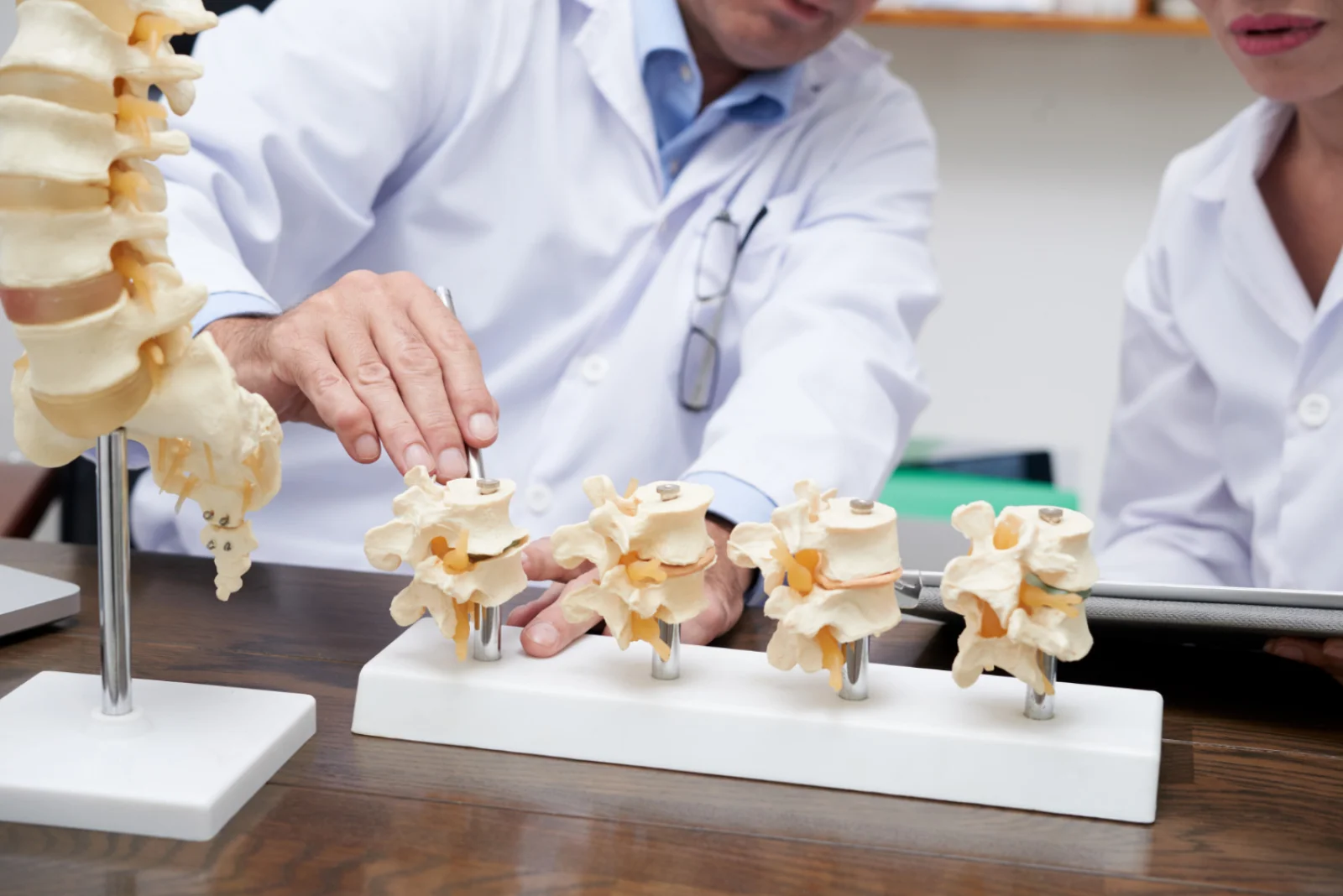
Spinal Fusion Surgery
About Spinal Fusion Surgery
Spinal fusion surgery is a neurosurgical procedure performed to permanently connect two or more spinal vertebrae to improve spinal stability and reduce pain. The surgery is commonly used for spinal instability, deformity, fractures, or degenerative s...
Spinal fusion surgery is a neurosurgical procedure performed to permanently connect two or more spinal vertebrae to improve spinal stability and reduce pain. The surgery is commonly used for spinal instability, deformity, fractures, or degenerative spinal conditions. Fusion helps prevent abnormal spinal movement.
Overview
The procedure may involve: Bone graft placement Metal rods and screws Stabilization implants Decompression procedures Spinal alignment correction Conditions treated include: Degenerative disc disease Spinal fractures Scoliosis Spinal instability Severe spinal stenosis Fusion surgery may involve cervical, thoracic, or lumbar spine regions.
Understanding The Procedure
Symptoms That May Require Spinal Fusion Surgery
- ⦾ Chronic spinal pain
- ⦾ Spinal instability
- ⦾ Nerve compression symptoms
- ⦾ Difficulty standing or walking
- ⦾ Spinal deformity
Recovery & Outlook
Spinal fusion improves stability and reduces pain in many spinal disorders. Long-term outcomes improve with rehabilitation and proper spine care.
Risks
- ⦾ Implant failure
- ⦾ Infection
- ⦾ Non-union of fusion
- ⦾ Nerve injury
- ⦾ Persistent pain
Post-Operative Care
- ⦾ Follow spinal precautions carefully
- ⦾ Avoid heavy lifting during healing
- ⦾ Attend physiotherapy programs
- ⦾ Wear spinal braces if prescribed
- ⦾ Maintain follow-up imaging evaluations
Doctors Who Perform Spinal Fusion Surgery
Meet experienced orthopedics (bone & joint care) doctors who regularly evaluate and perform spinal fusion surgery.

Dr Naveen Kumar B M
MBBS, MS Orthopedics
KMC: 112492
Consultant Arthroplasty, Trauma, Sports Medicine ad Arthroscopy Surgeon
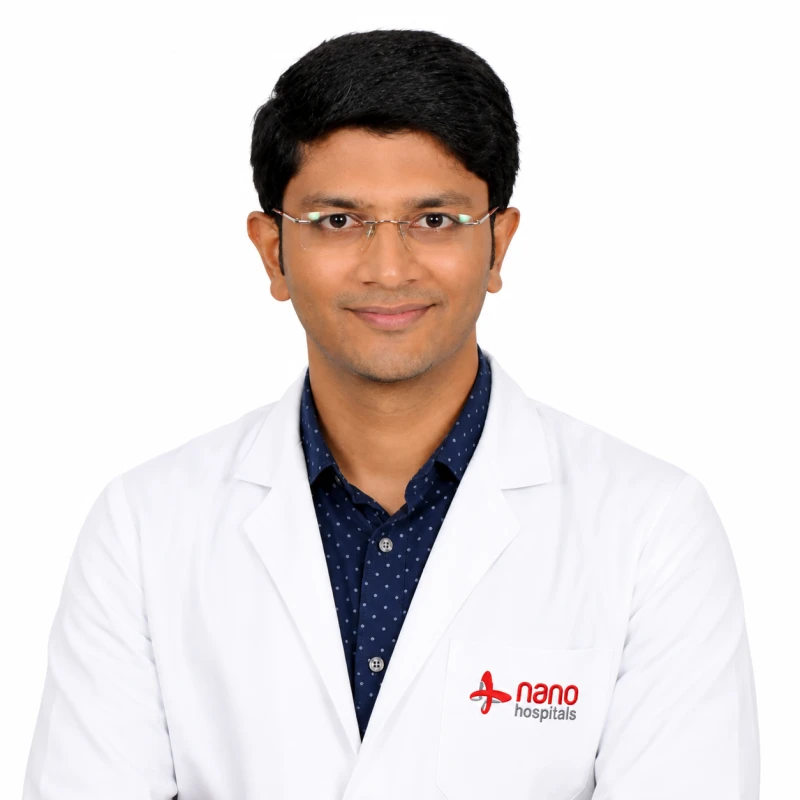
Dr Sharan Achar T
MBBS, MS Ortho, DNB, FASSI, FAO
KMC: 109282
Consultant Orthopaedic Spine Surgeon

Dr Sudhindra Dharmavaram
MBBS, MD (ANAES), FFPMRCA (UK) - Orthopedics
KMC: 80575
Consultant Orthopaedics Surgeon
Prefer WhatsApp for Spinal Fusion Surgery enquiries? Chat with our orthopedic team during working hours for quick assistance.