




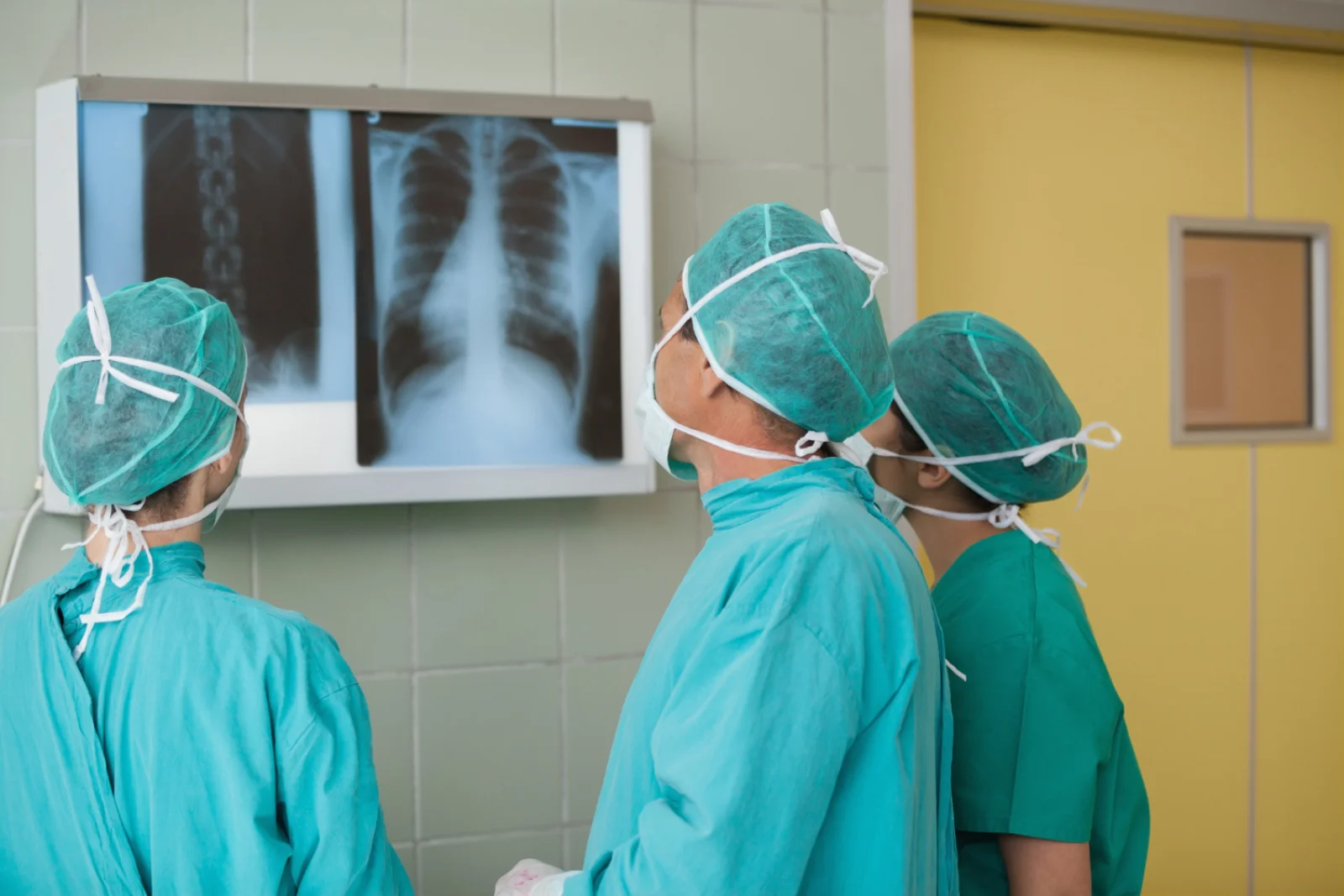
Surgery for Tuberculosis of Spine
About Surgery for Tuberculosis of Spine
Overview
Understanding The Procedure
Symptoms That May Require Surgery for Tuberculosis of Spine
- ⦾ Severe back pain
- ⦾ Fever and weight loss
- ⦾ Weakness in limbs
- ⦾ Difficulty walking
- ⦾ Spinal deformity
Recovery & Outlook
Surgical treatment combined with anti-tubercular therapy improves spinal stability and neurological recovery. Long-term outcomes depend on early diagnosis, infection control, and rehabilitation participation.
Risks
- ⦾ Persistent infection
- ⦾ Neurological damage
- ⦾ Spinal instability
- ⦾ Implant-related complications
- ⦾ Recurrence of infection
Post-Operative Care
- ⦾ Complete full anti-tubercular treatment
- ⦾ Attend rehabilitation sessions regularly
- ⦾ Follow spinal precautions carefully
- ⦾ Maintain proper nutrition
- ⦾ Attend scheduled imaging follow-up visits
Doctors Who Perform Surgery for Tuberculosis of Spine
Meet experienced orthopedics (bone & joint care) doctors who regularly evaluate and perform surgery for tuberculosis of spine.

Dr Naveen Kumar B M
MBBS, MS Orthopedics
KMC: 112492
Consultant Arthroplasty, Trauma, Sports Medicine ad Arthroscopy Surgeon
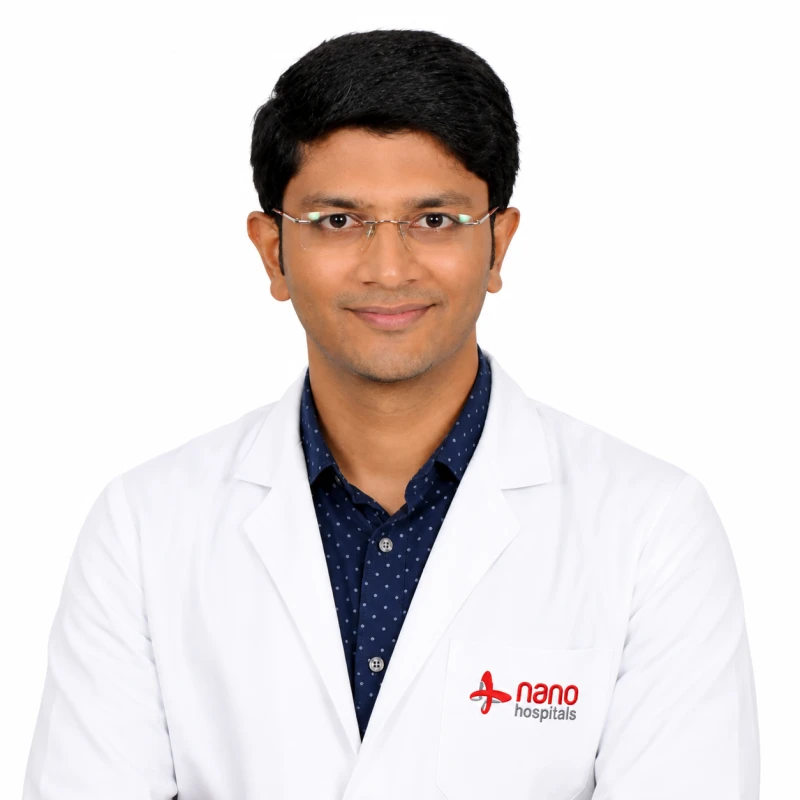
Dr Sharan Achar T
MBBS, MS Ortho, DNB, FASSI, FAO
KMC: 109282
Consultant Orthopaedic Spine Surgeon
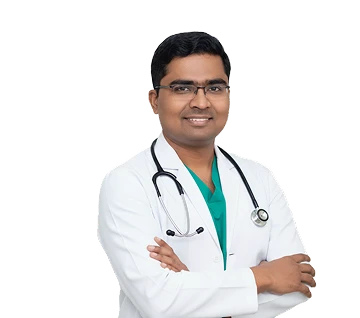
Dr Sudhindra Dharmavaram
MBBS, MD (ANAES), FFPMRCA (UK) - Orthopedics
KMC: 80575
Consultant Orthopaedics Surgeon
Prefer WhatsApp for Surgery for Tuberculosis of Spine enquiries? Chat with our orthopedic team during working hours for quick assistance.
